
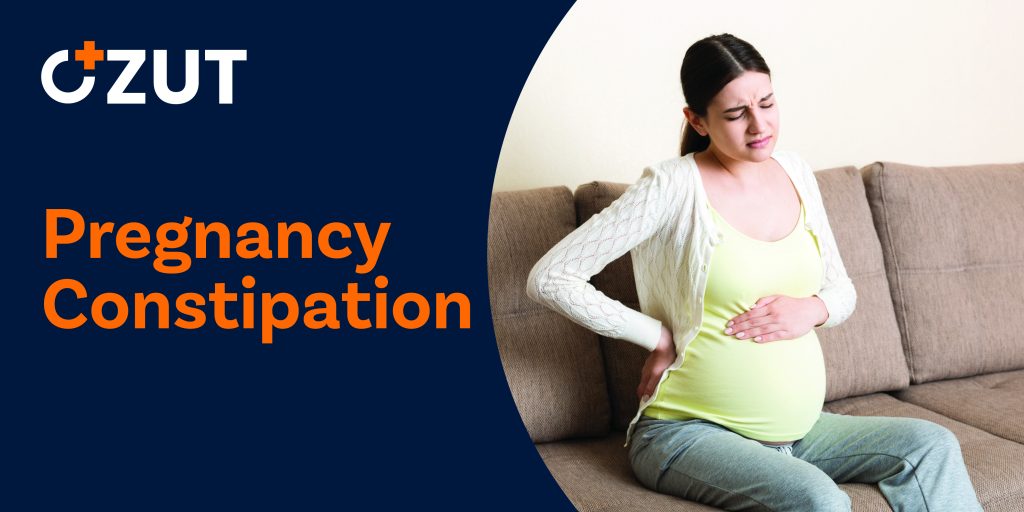
Safe Solutions for Managing Constipation During Pregnancy: A Complete Guide
Constipation during pregnancy affects a significant number of expectant mothers, creating discomfort and concern about safe treatment options. This digestive challenge, medically defined as experiencing fewer than three bowel movements per week, requires careful management to ensure both maternal comfort and fetal safety. Understanding which treatments are safe and effective becomes essential for navigating this common pregnancy symptom.
Understanding Constipation During Pregnancy
Pregnancy-related constipation represents one of the most frequently reported digestive complaints among expectant mothers. The condition develops due to multiple physiological changes occurring throughout pregnancy. Hormonal fluctuations, particularly increased progesterone levels, slow intestinal motility and reduce the efficiency of digestive processes. Additionally, the growing uterus exerts physical pressure on the intestines, further compromising normal bowel function.
The prevalence of this condition increases as pregnancy progresses, with many women experiencing symptoms throughout multiple trimesters. Beyond physical discomfort, constipation can lead to complications such as hemorrhoids, anal fissures, and increased abdominal pressure. These secondary issues make prompt and appropriate treatment important for maintaining quality of life during pregnancy.
Safe Stool Softener Options for Expectant Mothers
Stool softeners represent a first-line treatment option for pregnancy-related constipation due to their favorable safety profile. These medications work by increasing moisture content in stool, making bowel movements easier and more comfortable to pass. The mechanism of action involves drawing water into the intestinal contents, creating softer, more pliable stool that moves through the digestive tract with less difficulty.
Docusate-Based Stool Softeners
Two primary formulations of docusate-based stool softeners are widely available and considered safe during pregnancy. The first formulation contains docusate sodium, while the second contains docusate calcium. Both versions function through identical mechanisms, differing only in their salt composition. These products demonstrate minimal systemic absorption, meaning the active ingredient remains primarily within the digestive tract rather than entering maternal bloodstream in significant quantities.
The limited absorption profile explains why these stool softeners pose minimal risk to developing babies. Medical research has not identified significant adverse effects associated with their use during pregnancy. Healthcare professionals frequently recommend these products as safe, effective options for managing pregnancy-related bowel difficulties. The medications typically begin working within twelve to seventy-two hours, providing gradual relief without causing sudden or uncomfortable urgency.
Additional Safe Laxative Options During Pregnancy
Beyond stool softeners, several categories of laxatives have established safety records for use during pregnancy. Healthcare providers may recommend these alternatives based on individual symptoms, severity of constipation, and response to initial treatments. Understanding the different laxative categories helps expectant mothers make informed decisions about their digestive health management.
Bulk-Forming Laxatives
Bulk-forming laxatives represent another safe category for pregnancy use. These products contain fiber supplements that absorb water in the intestines, increasing stool volume and stimulating natural bowel movements. Common ingredients include psyllium and polycarbophil, both derived from natural plant sources. Like stool softeners, bulk-forming laxatives work locally within the digestive system without significant systemic absorption.
These laxatives mimic the action of dietary fiber, making them particularly appealing for women seeking natural-feeling solutions. They require adequate fluid intake to function effectively and prevent potential intestinal blockage. When used correctly with sufficient water consumption, bulk-forming laxatives provide gentle, predictable relief that closely resembles normal digestive function. The gradual onset of action, typically within twelve to seventy-two hours, allows for comfortable adjustment without sudden urgency.
Saline Laxatives
Saline laxatives work by drawing water into the intestines through osmotic action, softening stool and stimulating bowel movements. Products containing magnesium hydroxide or magnesium citrate fall into this category. These formulations are generally considered safe during pregnancy when used appropriately and under medical guidance. The osmotic mechanism creates a natural laxative effect without requiring systemic drug absorption.
Healthcare providers may recommend saline laxatives for more stubborn cases of constipation that do not respond adequately to stool softeners or bulk-forming options. These products typically work faster than other laxative categories, often producing results within thirty minutes to six hours. The rapid action makes them useful for acute constipation episodes, though they should not become regular long-term solutions without medical supervision.
Stimulant Laxatives
Stimulant laxatives containing bisacodyl represent another option considered safe during pregnancy. These medications work by directly stimulating intestinal muscles, increasing peristaltic contractions that move stool through the digestive tract. While effective, stimulant laxatives are typically reserved for situations where gentler options have proven insufficient. The stronger mechanism of action can occasionally cause cramping or discomfort, making them less ideal for routine use.
Medical professionals generally recommend using stimulant laxatives sparingly and only when necessary. The direct intestinal stimulation can lead to dependency if used too frequently, potentially worsening constipation over time. When prescribed appropriately for occasional use, however, these products provide effective relief for difficult constipation episodes without posing significant risks to pregnancy.
Lactulose-Based Options
Lactulose represents a synthetic sugar that functions as an osmotic laxative. The body cannot digest this compound, allowing it to draw water into the colon and soften stool. This medication has demonstrated safety during pregnancy and offers an alternative for women who may not respond well to other laxative categories. The gentle mechanism and predictable action make lactulose a valuable option in the pregnancy constipation treatment arsenal.
Important Precautions and Medical Consultation
Despite the general safety of many stool softeners and laxatives during pregnancy, consulting healthcare providers before beginning any treatment remains essential. Individual medical histories, pregnancy complications, and concurrent medications can all influence treatment safety and effectiveness. Healthcare teams can provide personalized recommendations based on specific circumstances and monitor for any unexpected complications.
Many constipation treatments are available without prescription, creating easy access but also potential for misuse. Self-treatment without medical guidance may lead to inappropriate product selection, incorrect dosing, or missed opportunities to address underlying issues. Healthcare professionals can distinguish between normal pregnancy constipation and symptoms requiring additional investigation or alternative treatment approaches.
Women should report any severe or persistent constipation to their healthcare teams promptly. Warning signs requiring immediate medical attention include severe abdominal pain, rectal bleeding, inability to pass gas, or constipation accompanied by vomiting. These symptoms may indicate complications requiring urgent evaluation and treatment beyond simple stool softener use.
Lifestyle Modifications for Preventing Pregnancy Constipation
While medications provide effective symptom relief, lifestyle modifications offer the most sustainable approach to managing pregnancy constipation. These natural strategies address the underlying causes of digestive slowdown without requiring pharmaceutical intervention. Many women find that consistent lifestyle adjustments reduce or eliminate the need for stool softeners and laxatives entirely.
Optimal Hydration Strategies
Adequate fluid intake represents the cornerstone of constipation prevention during pregnancy. Water serves as the ideal hydration source, supporting all bodily functions including digestive processes. Pregnant women should aim for eight to twelve glasses of water daily, adjusting intake based on activity level, climate, and individual needs. Proper hydration softens stool naturally, making bowel movements easier without medication.
Prune juice offers additional benefits beyond simple hydration. This beverage contains natural compounds that stimulate intestinal activity and promote regular bowel movements. The sorbitol content in prune juice acts as a mild natural laxative, providing gentle relief without pharmaceutical intervention. Many women find that incorporating four to eight ounces of prune juice into their daily routine significantly improves bowel regularity.
Physical Activity and Exercise
Regular physical activity plays a crucial role in maintaining healthy digestive function during pregnancy. Exercise stimulates intestinal contractions, promoting more efficient movement of waste through the digestive system. Even moderate activity such as walking for twenty to thirty minutes daily can significantly reduce constipation frequency and severity. The mechanical movement of exercise helps counteract the slowing effects of pregnancy hormones on intestinal motility.
Safe exercise options during pregnancy include walking, swimming, prenatal yoga, and stationary cycling. These activities provide cardiovascular benefits while supporting digestive health without placing excessive stress on the body. Women should consult their healthcare providers before beginning new exercise programs during pregnancy, ensuring chosen activities are appropriate for their individual circumstances and pregnancy stage.
Dietary Fiber Optimization
Increasing dietary fiber intake represents one of the most effective natural approaches to preventing and treating pregnancy constipation. Fiber adds bulk to stool and promotes regular bowel movements by stimulating intestinal contractions. Pregnant women should aim for twenty-five to thirty-five grams of fiber daily from diverse food sources. This target can be achieved through strategic food choices and meal planning.
High-fiber foods include fruits such as apples, pears, berries, and oranges. Vegetables like broccoli, carrots, Brussels sprouts, and leafy greens provide excellent fiber content along with essential pregnancy nutrients. Legumes including beans, lentils, and chickpeas offer substantial fiber while also providing protein. Whole grains such as oats, brown rice, quinoa, and whole wheat products contribute significant fiber to daily intake.
Fiber supplements may be recommended when dietary sources prove insufficient. These products provide concentrated fiber in convenient forms, helping women reach daily targets more easily. Healthcare providers can recommend appropriate supplement types and dosages based on individual needs and current dietary intake. Gradual introduction of fiber supplements helps minimize potential gas and bloating that can occur with sudden fiber increases.
Managing Iron Supplementation and Constipation
Iron supplementation during pregnancy, while medically necessary for many women, frequently contributes to constipation development or worsening. Iron is essential for preventing anemia and supporting fetal development, making supplementation important despite digestive side effects. Understanding the relationship between iron intake and constipation helps women balance nutritional needs with digestive comfort.
Women experiencing constipation while taking iron supplements should discuss the issue with their healthcare providers. Several strategies can help manage this challenge without compromising iron intake. Taking iron supplements with food, though potentially reducing absorption slightly, may decrease constipation severity. Dividing daily iron doses into smaller amounts taken throughout the day can also minimize digestive impact.
Healthcare providers may recommend stool softeners specifically for women taking iron supplements. This proactive approach prevents constipation from developing rather than treating it after symptoms appear. Some iron formulations cause less constipation than others, and switching products may provide relief while maintaining adequate iron supplementation. Slow-release iron preparations often produce fewer digestive side effects compared to immediate-release versions.
Long-Term Management and Monitoring
Successful constipation management during pregnancy requires ongoing attention and adjustment as pregnancy progresses. What works effectively in early pregnancy may need modification during later trimesters as the growing uterus creates additional digestive challenges. Regular communication with healthcare providers ensures treatment plans remain appropriate and effective throughout pregnancy.
Women should track bowel movement frequency, stool consistency, and any associated symptoms to help healthcare providers assess treatment effectiveness. This information guides decisions about continuing, adjusting, or changing constipation management strategies. Detailed symptom tracking also helps identify patterns or triggers that may inform lifestyle modifications.
Most pregnancy-related constipation resolves after delivery as hormone levels normalize and physical pressure on the intestines decreases. However, postpartum constipation can occur, particularly after cesarean delivery or with certain pain medications. Continuing healthy habits established during pregnancy helps maintain digestive health into the postpartum period and beyond.
Conclusion
Managing constipation during pregnancy requires balancing safety, effectiveness, and comfort. Stool softeners and various laxative categories offer safe pharmaceutical options when lifestyle modifications prove insufficient. The minimal systemic absorption of recommended products protects developing