
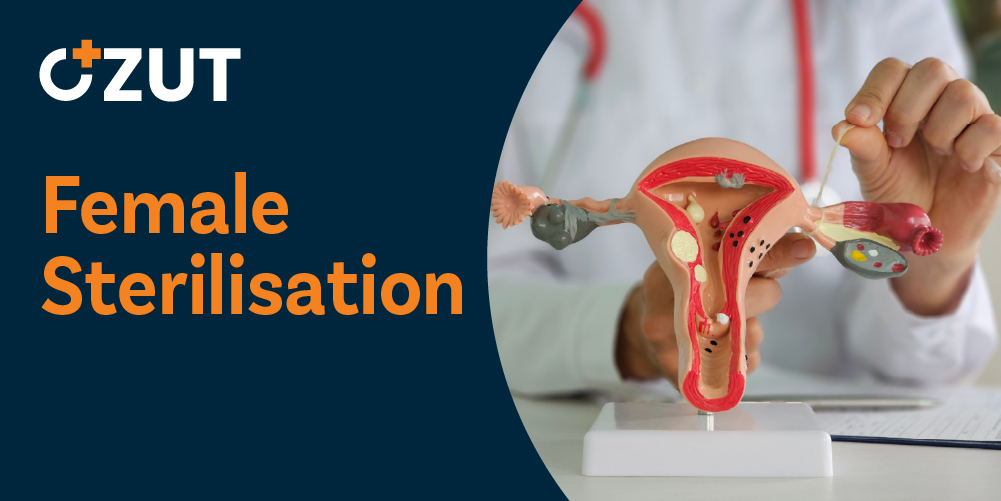
Female Sterilisation: Complete Guide to Permanent Contraception and What to Expect
Female sterilisation represents one of the most effective forms of permanent contraception available to women today. This surgical procedure, commonly known as tubal ligation or having your tubes tied, provides a long-term solution for individuals who have decided they do not wish to have children in the future or have completed their families. Understanding the procedure, its effectiveness, and what to expect throughout the process is essential for making an informed decision about this irreversible form of birth control.
Understanding Female Sterilisation and How It Works
Female sterilisation is a surgical procedure designed to permanently prevent pregnancy by blocking or sealing the fallopian tubes. The fallopian tubes are the pathways through which eggs travel from the ovaries to the uterus each month. During the natural reproductive process, sperm travels up through the uterus and into the fallopian tubes, where fertilisation typically occurs when sperm meets an egg.
By blocking, cutting, or sealing these tubes, the procedure creates a barrier that prevents eggs and sperm from meeting, thereby making pregnancy virtually impossible. The ovaries continue to function normally after the procedure, releasing eggs each month as usual. However, these eggs are absorbed harmlessly by the body rather than being fertilised.
The procedure does not affect hormone production, menstrual cycles, or sexual function. Women who undergo sterilisation will continue to experience their regular menstrual periods and will not enter menopause as a result of the surgery. The hormones produced by the ovaries continue to circulate through the bloodstream, maintaining normal bodily functions and characteristics.
Different Surgical Methods and Techniques
Several surgical approaches can be used to perform female sterilisation, each with specific advantages and considerations. The choice of method often depends on individual circumstances, medical history, and the preferences of both the patient and surgeon.
Laparoscopic Sterilisation
Laparoscopic sterilisation is the most common method performed today. This minimally invasive technique involves making small incisions in the abdomen, typically near the navel. A laparoscope, which is a thin tube with a light and camera attached, is inserted through one incision, allowing the surgeon to view the fallopian tubes on a monitor. Surgical instruments are inserted through another small incision to access and seal the tubes.
The tubes can be sealed using several techniques during laparoscopic surgery. Clips or rings may be applied to clamp the tubes shut, or electrocautery may be used to seal them with heat. Some procedures involve removing a section of each tube entirely. This approach typically requires only local anaesthesia with sedation or general anaesthesia and can often be performed as a day surgery procedure.
Mini-Laparotomy
Mini-laparotomy involves making a small incision in the lower abdomen to access the fallopian tubes directly. This method is often used shortly after childbirth when the uterus is still enlarged and the tubes are easier to reach. The procedure can be performed within a few days of delivery, making it a convenient option for women who are certain about their decision not to have more children.
During this procedure, the surgeon locates the fallopian tubes through the incision and uses clips, rings, or surgical removal to block them. Recovery time is generally slightly longer than laparoscopic methods, but the procedure remains relatively straightforward and effective.
Hysteroscopic Sterilisation
Hysteroscopic sterilisation is a non-incisional method that accesses the fallopian tubes through the vagina and cervix. A thin tube called a hysteroscope is inserted through the cervix into the uterus, allowing the surgeon to view the openings of the fallopian tubes. Small inserts or coils are then placed into each tube, causing scar tissue to form over time and permanently block the tubes.
This method does not require any external incisions and can often be performed in an outpatient setting with local anaesthesia. However, it takes approximately three months for the scar tissue to fully develop, during which time alternative contraception must be used. A follow-up test is necessary to confirm that the tubes are completely blocked before relying on this method for contraception.
Effectiveness and Success Rates
Female sterilisation is one of the most effective forms of contraception available, with a success rate exceeding ninety-nine percent. This means that fewer than one in one hundred women will become pregnant within the first year following the procedure. The effectiveness remains consistent over time, making it a reliable long-term contraceptive solution.
The risk of pregnancy varies slightly depending on the method used and the age at which the procedure is performed. Younger women have a slightly higher lifetime risk of pregnancy after sterilisation compared to older women, though the overall risk remains very low. The type of technique used to block the tubes also influences effectiveness, with complete removal of tube sections generally providing the highest success rates.
When pregnancy does occur after sterilisation, there is an increased risk that it may be ectopic, meaning the fertilised egg implants outside the uterus, typically in the fallopian tube. Ectopic pregnancies are medical emergencies requiring immediate treatment. Any woman who has undergone sterilisation and experiences symptoms of pregnancy should seek medical attention promptly.
Preparing for the Procedure
Preparation for female sterilisation begins with thorough counselling and discussion with healthcare providers. This conversation should cover the permanent nature of the procedure, alternative contraceptive options, and any concerns or questions. Many healthcare systems require a waiting period between the initial consultation and the procedure to ensure the decision is well-considered.
Before surgery, patients typically undergo a medical evaluation to assess overall health and identify any conditions that might affect the procedure or recovery. This evaluation may include blood tests, physical examination, and review of medical history. Patients should inform their healthcare provider about all medications, supplements, and allergies.
Specific pre-operative instructions will be provided, which typically include fasting for several hours before the procedure if general anaesthesia will be used. Patients should arrange for transportation home after surgery, as they will not be able to drive immediately following the procedure. Planning for time off work and arranging help with daily activities during recovery is also important.
The Surgical Experience
On the day of surgery, patients will be admitted to the surgical facility and prepared for the procedure. The type of anaesthesia used depends on the surgical method chosen. General anaesthesia renders the patient completely unconscious, while local anaesthesia with sedation numbs the surgical area while keeping the patient relaxed but awake.
The duration of the procedure varies depending on the method used, typically ranging from twenty to forty-five minutes. Laparoscopic procedures generally take less time than mini-laparotomy approaches. Throughout the surgery, vital signs are continuously monitored to ensure patient safety.
After the procedure is completed, patients are moved to a recovery area where they are monitored as the anaesthesia wears off. Most women can go home the same day, though some may require an overnight stay depending on the surgical approach and individual circumstances. Pain medication and detailed post-operative instructions are provided before discharge.
Recovery and Post-Operative Care
Recovery from female sterilisation varies depending on the surgical method used, but most women can return to normal activities within a few days to a week. Immediately after surgery, it is normal to experience some discomfort, including abdominal pain, cramping, bloating, and fatigue. These symptoms typically improve significantly within the first few days.
Pain management during recovery usually involves over-the-counter pain relievers, though stronger medication may be prescribed if needed. Applying ice packs to the abdomen can help reduce swelling and discomfort. Rest is important during the first few days, but gentle movement and walking are encouraged to prevent blood clots and promote healing.
Incision care is crucial for preventing infection and promoting proper healing. Keeping the surgical sites clean and dry is essential. Patients should watch for signs of infection, including increased redness, swelling, warmth, discharge, or fever. Any concerning symptoms should be reported to a healthcare provider immediately.
Most women can resume light activities within a few days, but strenuous exercise, heavy lifting, and sexual activity should be avoided for at least one to two weeks or as advised by the surgeon. Full recovery typically occurs within two to four weeks, after which normal activities can be resumed without restriction.
Potential Risks and Complications
While female sterilisation is generally safe, like all surgical procedures, it carries some risks. Understanding these potential complications helps patients make informed decisions and recognise warning signs that require medical attention.
Immediate surgical risks include bleeding, infection, and adverse reactions to anaesthesia. Damage to surrounding organs, such as the bowel, bladder, or blood vessels, is rare but possible. These complications may require additional surgery to repair. The risk of complications is generally low, particularly when the procedure is performed by experienced surgeons.
Long-term complications are uncommon but can include chronic pelvic pain or changes in menstrual patterns. Some women report heavier or more irregular periods after sterilisation, though research on this topic shows mixed results. The procedure does not cause early menopause or hormonal changes, as the ovaries continue to function normally.
Regret is an important psychological consideration, though not a medical complication. Some women later wish they could reverse the procedure, particularly if life circumstances change. While reversal surgery is possible, it is complex, expensive, not always successful, and not typically covered by health insurance. The permanence of sterilisation should be carefully considered before proceeding.
Important Considerations Before Choosing Sterilisation
Female sterilisation should be considered a permanent decision. While reversal procedures exist, they are not guaranteed to restore fertility, and success rates vary widely. Women should be absolutely certain they do not want to have children in the future before choosing this method of contraception.
Age is an important factor to consider. Younger women are more likely to experience regret later in life, particularly if they have not yet had children or have small families. Life circumstances can change unexpectedly, including relationship status, financial situation, or the loss of a child. These possibilities should be thoughtfully considered during the decision-making process.
Alternative long-acting reversible contraceptive methods are available and should be discussed. These options, including hormonal implants and intrauterine devices, provide highly effective contraception that can last for several years but can be removed if circumstances change. For some women, these alternatives may be more appropriate than permanent sterilisation.
Partner involvement in the decision is important for couples. Male sterilisation is a simpler, less invasive procedure with fewer risks and complications. Couples should discuss which option makes the most sense for their situation. However, the final decision should ultimately rest with the individual undergoing the procedure.
Life After Sterilisation
Most women report high satisfaction with their decision to undergo sterilisation, particularly when the choice was made thoughtfully and without external pressure. The freedom from worry about unintended pregnancy can significantly improve quality of life and sexual satisfaction for many women.
Menstrual cycles continue normally after sterilisation, and women will still experience monthly periods until they reach natural menopause. The procedure does not affect hormone levels, sexual desire, or sexual function. Many women report improved sexual satisfaction due to reduced anxiety about pregnancy.
It is important to understand that sterilisation does not provide protection against sexually transmitted infections. Women who are at risk for infections should continue to use barrier methods such as condoms in addition to relying on sterilisation for pregnancy prevention.
Regular gynaecological care remains important after sterilisation. Women should continue to attend routine health screenings, including cervical cancer screening and breast examinations. Sterilisation does not eliminate the need for ongoing reproductive health care.
Making an Informed Decision
Choosing female sterilisation is a significant decision that requires careful thought and comprehensive information. Women considering this procedure should engage in thorough discussions with healthcare providers, partners, and trusted advisors. Understanding