Understanding and Managing Pain in the Ball of Your Foot: A Comprehensive Guide
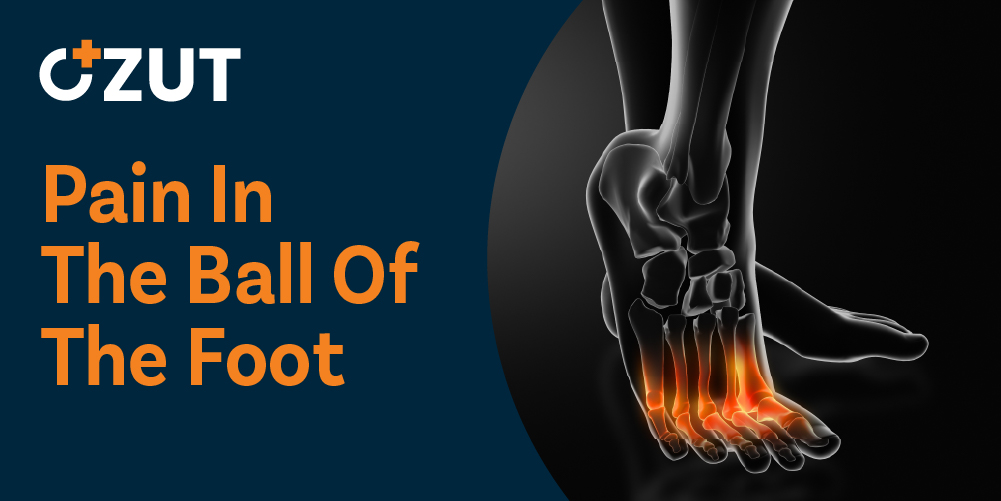
Pain in the ball of the foot, medically known as metatarsalgia, affects millions of people worldwide and can significantly impact daily activities and quality of life. This discomfort occurs in the area between the arch and toes, where the metatarsal bones connect to the toe bones. Understanding the underlying causes, recognizing warning signs, and implementing appropriate treatment strategies can help alleviate symptoms and prevent future complications.
Common Causes of Ball of Foot Pain
The ball of the foot endures tremendous pressure during walking, running, and standing activities. Several factors can contribute to pain in this region, ranging from lifestyle choices to underlying medical conditions. Identifying the root cause is essential for effective treatment and long-term management.
Exercise-Related Injuries
High-impact physical activities place considerable stress on the forefoot area. Running, jumping, dancing, and sports involving repetitive foot movements can lead to inflammation and pain. Athletes and fitness enthusiasts frequently experience this type of discomfort, particularly when increasing training intensity without adequate preparation or recovery time. The repetitive impact forces can cause microtrauma to the soft tissues and bones in the ball of the foot.
Improper Footwear Choices
Shoes that lack proper support or fit incorrectly rank among the leading causes of forefoot pain. Tight-fitting shoes compress the metatarsal bones and surrounding tissues, restricting natural foot movement and blood circulation. High heels shift body weight forward, concentrating pressure on the ball of the foot. Shoes with inadequate cushioning fail to absorb shock effectively, transmitting excessive force through the foot structure with each step.
Structural Foot Abnormalities
Individual foot anatomy plays a significant role in susceptibility to ball of foot pain. Some people naturally have foot shapes that distribute weight unevenly, placing excessive pressure on the metatarsal region. High arches can reduce the foot’s shock-absorbing capacity, while flat feet may cause abnormal weight distribution. These structural variations can predispose individuals to chronic forefoot discomfort even during normal daily activities.
Skin Conditions and Lesions
Hard, thickened skin or calluses develop as protective responses to repeated friction and pressure. While these formations serve a defensive purpose, they can become painful when they grow too thick or develop in sensitive areas. Cracked skin creates vulnerable spots that may become inflamed or infected. Viral warts on the sole can cause the company, localized pain when pressure is applied during walking or standing.
Medical Conditions
Various health conditions can manifest as ball of foot pain. Arthritis causes joint inflammation that affects the metatarsophalangeal joints where toes connect to the foot. Inflammatory conditions lead to swelling, stiffness, and persistent discomfort. Metabolic disorders may affect bone density and tissue health, increasing vulnerability to foot problems. Circulatory issues can reduce blood flow to the feet, impairing healing and causing pain.
Recognizing Specific Foot Conditions
Different conditions affecting the ball of the foot present with characteristic symptoms that help distinguish one diagnosis from another. While professional medical evaluation remains essential for accurate diagnosis, understanding these patterns can guide initial assessment and treatment decisions.
Sprains and Soft Tissue Injuries
Sprains typically occur following intense or repetitive exercise and present with pain, swelling, and bruising. The affected area may feel tender to touch, and movement can exacerbate discomfort. These injuries result from overstretching or tearing ligaments that connect bones and stabilize joints. Recovery time varies depending on severity, ranging from several days for mild sprains to weeks for more serious injuries.
Nerve Compression Issues
the company, burning, or shooting pain near the toes often indicates nerve irritation or compression. This sensation may feel like standing on a small stone or lump under the foot. The discomfort typically worsens with activity and improves with rest. Nerve-related pain can radiate into adjacent toes and may be accompanied by numbness or tingling sensations. Tight footwear and repetitive stress commonly contribute to this condition.
Inflammatory Conditions
Redness and swelling accompanied by dull, aching pain suggest inflammatory processes affecting the soft tissues. Fluid-filled sacs that cushion joints and tendons can become inflamed, causing localized tenderness and restricted movement. The affected area may feel warm to touch and appear visibly swollen. Symptoms often worsen with prolonged standing or walking and improve with rest and elevation.
Structural Deformities
Hard, bony lumps near the big toe indicate structural changes in foot anatomy. These protrusions develop gradually over time as bones shift from their normal positions. The deformity can cause the big toe to angle toward adjacent toes, creating pressure points and altering weight distribution across the forefoot. Friction from footwear can cause additional pain and skin irritation over the prominent bone.
Self-Care Strategies for Pain Relief
Many cases of ball of foot pain respond well to conservative home treatment measures. Implementing appropriate self-care strategies can reduce symptoms, promote healing, and prevent recurrence. Consistency and patience are essential, as improvement may take several weeks.
Rest and Activity Modification
Reducing activities that aggravate symptoms allows injured tissues to heal. Avoiding high-impact exercises and limiting prolonged standing or walking gives the foot necessary recovery time. Elevating the foot above heart level when resting reduces swelling by promoting fluid drainage. Alternating periods of activity with adequate rest prevents overuse and supports the healing process.
Cold Therapy Application
Applying ice to the painful area provides effective symptom relief through multiple mechanisms. Cold reduces inflammation by constricting blood vessels and decreasing metabolic activity in affected tissues. It numbs nerve endings, providing temporary pain relief. Apply ice packs wrapped in towels for up to twenty minutes every two to three hours during acute pain episodes. Never apply ice directly to skin, as this can cause tissue damage.
Appropriate Footwear Selection
Choosing shoes with adequate room for toes and proper arch support significantly impacts foot comfort. Low heels maintain natural foot positioning and distribute weight evenly. Soft, cushioned soles absorb shock and reduce pressure on the ball of the foot. Shoes should allow toes to move freely without compression. Replace worn footwear regularly, as deteriorated cushioning loses shock-absorbing properties.
Orthotic Devices and Padding
Soft insoles and metatarsal pads redistribute pressure away from painful areas. These devices cushion the ball of the foot and provide additional shock absorption. Over-the-counter options are available in various materials and thicknesses to accommodate different needs and shoe types. Custom orthotics may be necessary for complex foot structures or persistent symptoms. Proper placement of pads is crucial for effectiveness.
Weight Management
Excess body weight increases force transmitted through the feet during weight-bearing activities. Each pound of body weight translates to multiple pounds of pressure on foot structures during walking. Achieving and maintaining healthy weight reduces mechanical stress on the ball of the foot. Even modest weight loss can produce noticeable symptom improvement. Combining dietary modifications with appropriate exercise supports sustainable weight management.
Stretching and Strengthening Exercises
Regular, gentle exercises improve flexibility and strengthen supporting muscles. Stretching the calf muscles, Achilles tendon, and plantar fascia reduces tension transmitted to the forefoot. Toe exercises enhance intrinsic foot muscle strength, improving stability and shock absorption. Ankle mobility exercises maintain joint health and proper biomechanics. Perform exercises consistently, gradually increasing intensity as tolerance improves.
Pain Management Medications
Over-the-counter pain relievers provide symptomatic relief during the healing process. Oral medications reduce pain and inflammation systemically. Topical gels deliver medication directly to affected areas with minimal systemic absorption. Follow dosage instructions carefully and consult healthcare professionals about appropriate medication choices, especially when taking other medications or managing chronic health conditions.
Professional Healthcare Support
While many cases improve with self-care, certain situations require professional medical evaluation and treatment. Healthcare providers can perform thorough assessments, order diagnostic tests, and recommend specialized interventions when necessary.
Pharmacy Consultations
Pharmacists offer valuable guidance regarding over-the-counter treatments and products. They can recommend appropriate pain relievers based on individual health profiles and potential drug interactions. Pharmacists provide information about various insole and padding options, helping customers select products suited to their specific needs. They can also assess whether symptoms warrant medical evaluation by a physician.
When to Seek Medical Attention
Certain symptoms indicate the need for professional medical evaluation. Persistent pain that interferes with normal daily activities requires assessment to identify underlying causes and develop appropriate treatment plans. Pain that worsens despite home treatment or repeatedly returns after initial improvement suggests more serious conditions requiring intervention. Symptoms lasting beyond two weeks without improvement warrant medical consultation.
Neurological symptoms including tingling, numbness, or loss of sensation indicate potential nerve involvement requiring prompt evaluation. These symptoms may signal compression or damage that could worsen without proper treatment. Individuals with diabetes must seek immediate medical attention for any foot pain, as compromised circulation and sensation increase risks of serious complications including infections and tissue damage.
Emergency Warning Signs
Certain symptoms require urgent medical attention. Severe pain that prevents walking or weight-bearing may indicate fractures or serious soft tissue injuries. Visible foot deformity suggests possible bone displacement requiring immediate intervention. Hearing snapping, grinding, or popping sounds at the time of injury often accompanies significant structural damage.
Systemic symptoms including fever, chills, or feeling generally unwell alongside foot pain may indicate infection requiring prompt antibiotic treatment. Hot, swollen, extremely painful feet can signal serious infections or inflammatory conditions. Feeling faint, dizzy, or nauseated from pain intensity suggests severe injury requiring emergency evaluation.
Exercise Protocols for Pain Reduction
Specific exercises target the structures supporting the ball of the foot, promoting healing and preventing recurrence. These movements should be performed gently, respecting pain limits and gradually progressing as tolerance improves.
Toe Stretches
Gently pulling toes back toward the shin stretches the plantar fascia and toe flexor muscles. Hold stretches for fifteen to thirty seconds, repeating several times daily. This exercise reduces tension in tissues connecting to the ball of the foot.
Calf Stretches
Stretching calf muscles reduces tension transmitted through the Achilles tendon to the foot. Stand facing a wall with one foot forward and one back, keeping the back heel on the ground while leaning forward. Hold for thirty seconds and repeat on both sides.
Towel Curls
Place a towel on the floor and use toes to scrunch it toward you. This exercise strengthens intrinsic foot muscles that support the arch and ball of the foot. Perform multiple repetitions daily to build strength gradually.
Marble Pickups
Using toes to pick up small objects like marbles improves dexterity and strengthens toe muscles. This functional exercise enhances coordination while building strength in muscles supporting the forefoot.
Prevention Strategies
Preventing ball of foot pain involves addressing risk factors and maintaining foot health through consistent good practices. Proactive measures reduce likelihood of developing painful conditions and support long-term foot function.
Selecting appropriate footwear for different activities provides essential protection. Athletic shoes should match specific sport requirements, offering adequate cushioning and support. Replace exercise shoes regularly, as cushioning deteriorates with use. Avoid wearing high heels for extended periods, and choose lower heel heights when possible.