
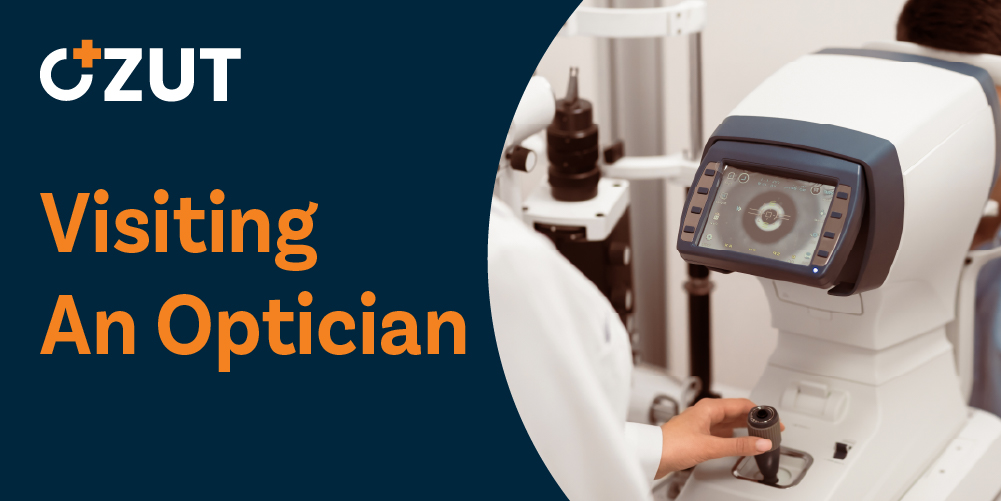
Complete Guide to Eye Care Professionals and Vision Testing Services
Understanding the different types of eye care professionals and their specific roles is essential for maintaining optimal vision health. When seeking vision care services, patients encounter various specialists, each trained to address different aspects of eye health and visual function. This comprehensive guide explains the roles of different eye care professionals, testing procedures, and what patients should expect during their vision care journey.
Understanding Vision Testing and Eye Examinations
Vision testing represents a critical component of preventive healthcare. During a standard eye examination, trained professionals assess not only visual acuity but also screen for various conditions that could affect long-term eye health. These examinations involve sophisticated equipment and techniques designed to detect abnormalities early, when treatment is most effective.
Professional eye examinations go far beyond simple vision screening. Trained practitioners examine both the internal and external structures of the eyes, looking for signs of conditions that may not yet be causing noticeable symptoms. This proactive approach helps identify potential problems before they progress to more serious stages.
What Happens During a Comprehensive Eye Examination
A thorough eye examination typically includes multiple components designed to assess different aspects of visual function and eye health. Practitioners begin by reviewing medical history and current symptoms, then proceed with various tests to evaluate vision quality and eye structure.
The examination process includes assessment of visual sharpness at different distances, evaluation of how well the eyes work together, and inspection of the eye’s internal structures. Advanced imaging techniques may be employed to examine the retina, optic nerve, and other critical components of the visual system.
Recommended Frequency for Vision Testing
Regular eye examinations are crucial because many eye conditions develop without causing pain or obvious symptoms. By the time patients notice problems, significant damage may have already occurred. Preventive testing allows for early detection and intervention.
Healthcare guidelines generally recommend comprehensive eye examinations every two years for most adults. However, this timeline may vary based on individual risk factors, age, existing conditions, and professional recommendations. Some patients may require more frequent monitoring.
Factors Affecting Testing Frequency
Several factors influence how often individuals should undergo eye examinations. Age plays a significant role, with older adults typically requiring more frequent assessments. Personal and family medical history also affects recommended testing intervals.
Patients with existing eye conditions, diabetes, high blood pressure, or other systemic diseases may need more frequent monitoring. Those who wear corrective lenses or have experienced recent changes in vision should also maintain regular examination schedules.
After Your Eye Examination: What to Expect
Following a comprehensive eye examination, patients receive important documentation regarding their vision status. Legal requirements mandate that practitioners provide specific information about findings and any necessary corrective measures.
Patients must receive their optical prescription or notification of referral for additional testing. This documentation belongs to the patient and can be used at any provider of their choosing. Understanding these rights helps patients make informed decisions about their eye care.
Understanding Optical Prescriptions
An optical prescription contains detailed information about the corrective lenses needed to optimize vision. This document includes measurements for each eye, specifying the lens power required to correct refractive errors such as nearsightedness, farsightedness, or astigmatism.
Prescriptions may also include additional specifications for specialized lenses, such as bifocals or progressive lenses. Understanding these details helps patients communicate effectively with dispensing professionals and make appropriate choices about eyewear.
Financial Assistance and Coverage Options
Various programs exist to help eligible individuals access necessary vision care services. Coverage availability depends on specific criteria, including age, income level, and certain medical conditions. Qualifying patients may receive assistance with both examination costs and corrective eyewear.
Voucher programs provide financial support for purchasing glasses or contact lenses. The value of these vouchers varies based on prescription strength, with higher values assigned to stronger prescriptions requiring more specialized lenses. Patients should verify their eligibility and understand available benefits.
Consumer Rights and Shopping for Eyewear
Patients have the right to use their prescriptions at any qualified provider. There is no obligation to purchase eyewear from the location where the examination occurred. Shopping around for the best value and quality is both acceptable and encouraged.
When selecting eyewear, patients should compare prices, lens options, frame styles, and service quality across multiple providers. Taking time to research options ensures satisfaction with both the product and the investment.
Making Informed Purchasing Decisions
Several factors should influence eyewear purchasing decisions beyond price alone. Lens quality, coating options, frame durability, and warranty coverage all contribute to long-term satisfaction. Patients should ask detailed questions about materials, manufacturing processes, and return policies.
Understanding the differences between various lens types, coatings, and treatments helps patients select options that best meet their lifestyle needs. Anti-reflective coatings, scratch resistance, and UV protection represent common enhancements that may improve visual comfort and lens longevity.
Addressing Concerns and Filing Complaints
Patients who experience unsatisfactory service or treatment have the right to voice concerns and seek resolution. Effective complaint procedures exist to address issues and improve service quality across the eye care industry.
Initial complaints should typically be directed to the practice where services were received. Many issues can be resolved quickly through direct communication with practice management. Clear explanation of concerns and desired outcomes facilitates effective problem-solving.
Alternative Complaint Channels
When direct resolution proves unsuccessful or uncomfortable, patients can access additional resources. Regional healthcare authorities provide oversight and complaint investigation services. These organizations can mediate disputes and ensure compliance with professional standards.
Independent consumer services also offer advice and mediation for optical-related complaints. These organizations provide neutral third-party perspectives and can help facilitate fair resolutions between patients and providers.
Understanding Pupillary Distance Measurements
Pupillary distance refers to the horizontal measurement between the centers of the pupils. This measurement is critical for proper lens positioning but is not always included in standard prescriptions. Legal requirements do not mandate inclusion of this measurement in prescription documentation.
The responsibility for accurate pupillary distance measurement falls to the professional fitting the eyewear. Dispensing professionals must take precise measurements to ensure lenses are properly centered in frames, optimizing visual clarity and comfort.
Ensuring Proper Lens Fitting
All eyewear providers, whether traditional retail locations or online services, must have systems in place to obtain accurate pupillary distance measurements. Patients should verify that their chosen provider can properly measure and fit lenses before making purchases.
Improperly centered lenses can cause eye strain, headaches, and reduced visual clarity. Ensuring accurate measurements and proper fitting is essential for maximizing the benefits of corrective eyewear.
Roles of Different Eye Care Professionals
The eye care field includes several distinct professional categories, each with specialized training and specific responsibilities. Understanding these differences helps patients know which professional to consult for particular needs.
Dispensing Professionals
Dispensing professionals specialize in fitting and providing eyewear based on prescriptions written by examining practitioners. They do not perform eye examinations but focus exclusively on helping patients select and fit appropriate corrective lenses and frames.
These professionals provide expert guidance on lens types, including single-vision, bifocal, and progressive options. They help patients choose frames that complement facial features while ensuring proper fit and comfort. They also dispense low vision aids such as magnifying devices and specialized optical equipment.
Dispensing professionals offer valuable advice about lens care, proper wearing techniques, and maintenance of eyewear. Their expertise ensures patients receive maximum benefit from their corrective lenses.
Primary Vision Care Practitioners
Primary vision care practitioners conduct comprehensive eye examinations and are trained to recognize various abnormalities and conditions. They examine both internal and external eye structures to detect issues such as glaucoma, macular degeneration, and cataracts.
These professionals test multiple aspects of visual function, including focusing ability, eye coordination, depth perception, and color vision accuracy. When necessary, they refer patients to physicians or specialized clinics for further investigation and treatment.
Primary vision care practitioners can prescribe and fit corrective lenses, including glasses and contact lenses. Those with additional training may also prescribe medications for treating certain eye conditions.
Medical Eye Specialists
Medical eye specialists are physicians who focus on medical and surgical treatment of eye conditions and the visual system. They provide comprehensive care for patients of all ages, from premature infants to elderly individuals.
These specialists treat a wide range of conditions, including eye injuries, cataracts, diabetic eye disease, and congenital eye problems. Their medical training allows them to perform surgical procedures and prescribe medications for complex eye conditions.
Medical eye specialists often work in hospital settings or specialized clinics, handling cases that require advanced medical intervention or surgical treatment. They collaborate with other healthcare providers to manage conditions affecting both eye health and overall wellbeing.
Movement and Alignment Specialists
Specialists in eye movement and alignment focus on conditions affecting how the eyes work together. They investigate and identify problems related to visual system development, particularly in children and adults with specific conditions.
These professionals commonly address issues such as eye misalignment and reduced vision in one eye. They frequently conduct vision screening in schools and community health centers, identifying children who may need further evaluation or treatment.
Movement and alignment specialists also work with adults experiencing double vision or problems with binocular vision. They develop treatment plans that may include exercises, corrective lenses, or referrals for additional intervention.
Choosing the Right Eye Care Professional
Selecting appropriate eye care professionals depends on individual needs and circumstances. For routine examinations and prescription updates, primary vision care practitioners provide comprehensive services. When medical treatment or surgery is required, medical eye specialists offer advanced care.
Patients should consider factors such as professional qualifications, experience with specific conditions, location convenience, and insurance coverage when choosing providers. Recommendations from trusted sources and reviews from other patients can provide valuable insights.
Building Long-Term Eye Care Relationships
Establishing ongoing relationships with eye care professionals provides continuity of care and better long-term outcomes. Consistent monitoring allows practitioners to detect subtle changes that might indicate developing problems.
Regular visits to the same professionals enable them to maintain comprehensive records of eye health history, making it easier to identify trends and adjust treatment approaches as needed. This continuity proves particularly valuable for managing chronic conditions or monitoring age-related changes.
Maintaining Optimal Eye Health
Beyond regular professional examinations, individuals can take proactive steps to protect and maintain eye health. Understanding risk factors and implementing preventive measures reduces the likelihood of developing serious eye conditions.
Protective eyewear during activities that pose injury risks, proper lighting for reading and computer work, and regular breaks from screen time all contribute to eye health. Maintaining overall health through proper nutrition, exercise, and management of chronic conditions also supports optimal vision.
Patients should remain alert to changes in vision quality, eye comfort, or appearance. Prompt attention to new symptoms allows for early intervention and better treatment outcomes. Building awareness of family eye health history helps identify inherited risk factors that may require closer monitoring.