
Understanding Polycystic Ovary Syndrome: A Comprehensive Guide to Symptoms, Diagnosis, and Management
Polycystic ovary syndrome represents one of the most common hormonal disorders affecting women of reproductive age worldwide. This complex condition involves a constellation of symptoms stemming from hormonal imbalances that affect not only the reproductive system but multiple body systems. Understanding this condition is essential for early recognition, proper management, and prevention of long-term health complications.
What Defines Polycystic Ovary Syndrome
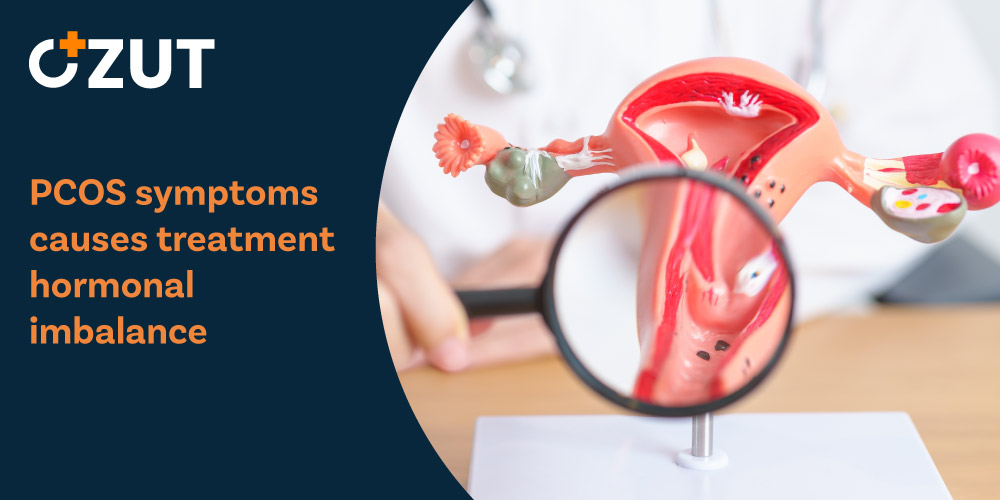
This hormonal disorder is characterized by a specific set of symptoms related to imbalances in reproductive hormones. The condition primarily affects the ovaries but extends its impact throughout the body, influencing metabolism, appearance, and overall health. The syndrome gets its name from the characteristic appearance of the ovaries, though not all affected individuals develop visible cysts.
For a diagnosis to be considered, individuals typically present with at least two of three key features. These defining characteristics include disrupted ovulation patterns, elevated levels of male hormones, and the presence of multiple small fluid-filled sacs on one or both ovaries. The combination and severity of these features vary significantly among affected individuals, making each case unique in its presentation and management needs.
Core Characteristics and Diagnostic Criteria
Ovulation Disruption
Normal reproductive function involves the monthly development and release of a mature egg from the ovaries. This process, known as ovulation, is fundamental to regular menstrual cycles and fertility. In this condition, the egg may fail to develop properly or may not be released at all during the menstrual cycle. This disruption leads to irregular menstrual periods or complete absence of menstruation, creating challenges for those trying to conceive and affecting overall hormonal balance.
Elevated Androgen Levels
Androgens are hormones typically associated with male sexual development, though women naturally produce smaller quantities. When these hormone levels become abnormally elevated, they trigger various physical changes. The most visible manifestation is excessive hair growth on the face, chest, stomach, and thighs, a condition known as hirsutism. This hormonal imbalance also contributes to other symptoms including severe acne, oily skin, and male-pattern hair loss on the scalp.
Ovarian Cyst Formation
The ovaries may develop multiple small, fluid-filled sacs called cysts. These growths represent follicles that have failed to mature and release eggs properly. While the presence of these cysts gives the syndrome its name, they are not always present in affected individuals, and their presence alone does not confirm the diagnosis. The cysts are typically harmless but indicate underlying hormonal dysfunction.
Understanding the Underlying Causes
The precise cause of this hormonal disorder remains incompletely understood, though research has identified several contributing factors. The condition likely results from a combination of genetic predisposition and environmental influences rather than a single causative factor.
Genetic Factors
Strong evidence suggests a hereditary component to this condition. The syndrome tends to run in families, with affected individuals often having mothers, sisters, or other female relatives with similar symptoms. Researchers continue to investigate specific genetic variations that may increase susceptibility, though no single gene has been identified as solely responsible.
Hormonal Imbalances
Disruptions in androgen production and regulation play a central role in symptom development. The ovaries and adrenal glands may produce excessive amounts of these hormones, or the body may be overly sensitive to normal androgen levels. This hormonal excess interferes with normal ovarian function and contributes to many visible symptoms.
Insulin Resistance
Many affected individuals demonstrate insulin resistance, a condition where cells fail to respond properly to insulin signals. Insulin is a crucial hormone that facilitates glucose uptake from the bloodstream into cells for energy production. When cells become resistant, the pancreas compensates by producing more insulin, leading to elevated blood insulin levels. High insulin levels can stimulate increased androgen production, creating a cycle that perpetuates hormonal imbalance and metabolic dysfunction.
Recognizing Symptoms and Clinical Presentation
The syndrome often first manifests during adolescence, sometimes as early as age eleven or twelve, coinciding with the onset of menstruation. However, symptoms can emerge later in life, particularly following significant weight gain or other hormonal changes. The clinical presentation varies dramatically among individuals, with some experiencing minimal symptoms while others face severe manifestations affecting multiple aspects of daily life.
Menstrual Irregularities
Disrupted menstrual patterns represent one of the most common and earliest signs. Affected individuals may experience infrequent periods occurring more than thirty-five days apart, prolonged bleeding episodes, or complete absence of menstruation for months at a time. These irregularities reflect underlying ovulation problems and hormonal imbalances.
Physical Appearance Changes
Elevated androgen levels produce visible changes in physical appearance. Excessive hair growth on the face, chest, abdomen, and thighs affects many individuals, causing significant psychological distress. Severe acne that proves resistant to conventional treatments is common, often persisting beyond typical adolescent years. Some individuals develop patches of thickened, darkened skin, particularly in body folds such as the neck, armpits, and groin, a condition called acanthosis nigricans that often indicates insulin resistance.
Weight and Metabolic Issues
Many affected individuals struggle with weight management, experiencing obesity or difficulty losing weight despite dietary efforts. The underlying insulin resistance and metabolic dysfunction make weight loss particularly challenging. However, the syndrome affects individuals across all weight ranges, and not everyone with the condition is overweight.
Fertility Challenges
This hormonal disorder ranks among the leading causes of female infertility due to irregular or absent ovulation. Many individuals first discover they have the condition when experiencing difficulty conceiving. Despite these challenges, pregnancy remains possible for many affected individuals, particularly with appropriate medical intervention and lifestyle modifications.
Associated Health Complications
The syndrome extends beyond reproductive health, creating increased risk for numerous other medical conditions. Understanding these associations is crucial for comprehensive health management and early intervention.
Metabolic Disorders
The insulin resistance commonly associated with this condition significantly increases the risk of developing prediabetes and type 2 diabetes. Blood sugar levels may gradually rise over time as the pancreas struggles to produce sufficient insulin to overcome cellular resistance. Regular monitoring of blood glucose levels is essential for early detection and prevention of diabetes.
Cardiovascular Disease
Affected individuals face elevated risk for heart disease, with this risk increasing progressively with age. Multiple factors contribute to cardiovascular risk, including insulin resistance, abnormal cholesterol levels, high blood pressure, and chronic inflammation. Many individuals develop unfavorable cholesterol profiles characterized by elevated LDL cholesterol and reduced the company cholesterol, further increasing cardiovascular risk.
Sleep Disorders
Sleep apnea, a condition characterized by repeated breathing interruptions during sleep, occurs more frequently in affected individuals. This sleep disorder can lead to daytime fatigue, difficulty concentrating, and increased cardiovascular risk if left untreated.
Mental Health Concerns
Depression and anxiety affect many individuals with this hormonal disorder. The relationship between the condition and mental health is complex, potentially involving hormonal influences on brain chemistry, psychological stress from visible symptoms, and challenges related to fertility and weight management.
Researchers continue investigating whether the syndrome directly causes these associated conditions, whether these conditions contribute to syndrome development, or whether common underlying factors produce both. Regardless of the precise relationships, awareness of these associations enables proactive health monitoring and early intervention.
Diagnostic Approaches and Testing
No single definitive test exists for this condition. Instead, diagnosis relies on comprehensive evaluation combining medical history, physical examination, and various diagnostic tests to identify characteristic features and rule out other conditions with similar presentations.
Physical Examination
Healthcare providers conduct thorough physical examinations looking for visible signs including excessive hair growth, acne, skin changes, and body mass assessment. Pelvic examinations may be performed to evaluate ovarian size and detect abnormalities.
Medical History Assessment
Detailed discussion of menstrual patterns, symptom onset and progression, weight changes, and family health history provides crucial diagnostic information. Understanding family history is particularly important given the genetic component of the condition.
Imaging Studies
Pelvic ultrasound examinations allow visualization of the ovaries to identify cysts and assess ovarian volume. These studies also evaluate the thickness of the uterine lining, which may be abnormally thickened due to irregular menstruation and unopposed estrogen exposure.
Laboratory Testing
Blood tests measure various hormone levels including androgens, luteinizing hormone, follicle-stimulating hormone, and thyroid hormones. Additional tests may assess glucose metabolism, insulin levels, and cholesterol profiles to evaluate metabolic health and associated risk factors.
Treatment Strategies and Management Options
While no cure currently exists for this hormonal disorder, various treatment approaches effectively manage symptoms, improve quality of life, and reduce long-term health risks. Treatment plans are individualized based on specific symptoms, severity, and whether fertility is desired.
Lifestyle Modifications
Fundamental to management are lifestyle changes that address underlying metabolic dysfunction. Weight loss of even five to ten percent of body weight can significantly improve symptoms, restore regular menstruation, and enhance insulin sensitivity. Dietary modifications emphasizing whole foods, complex carbohydrates, lean proteins, and healthy fats help stabilize blood sugar levels and support weight management. Regular physical activity improves insulin sensitivity, aids weight control, and reduces cardiovascular risk.
Hormonal Contraceptives
For individuals not seeking pregnancy, hormonal birth control methods including pills, patches, injections, and intrauterine devices help regulate menstrual cycles and reduce androgen levels. These treatments can improve acne, reduce excessive hair growth, and protect the uterine lining from abnormal thickening. Various formulations exist, allowing selection based on individual needs and tolerability.
Anti-Androgen Medications
Certain medications block androgen effects, helping reduce scalp hair loss, slow facial and body hair growth, and improve acne. While not specifically approved for this indication, healthcare providers prescribe these medications based on clinical experience and research evidence. These medications can cause birth defects and are typically prescribed alongside contraception to prevent pregnancy.
Insulin-Sensitizing Medications
Medications typically used for diabetes management can improve insulin sensitivity and help regulate blood sugar levels in affected individuals. These treatments may also reduce androgen levels and restore ovulation in some cases. Though not specifically approved for this hormonal disorder, clinical evidence supports their effectiveness for symptom management.
Cosmetic Treatments
Various options address unwanted hair growth and acne. Topical and oral acne medications help control skin symptoms. Hair removal methods including topical creams, laser treatments, and electrolysis provide options for managing hirsutism. These treatments address visible symptoms that often cause significant psychological distress.
Fertility Treatments
For individuals seeking pregnancy, various interventions can improve fertility outcomes. Medications that stimulate ovulation help trigger egg release, increasing conception chances. Assisted reproductive technologies including in vitro fertilization offer additional options when other treatments prove unsuccessful. Weight loss and metabolic improvements often restore natural ovulation without medication in some cases.
Long-Term Health Management
Successful management requires ongoing attention to both immediate symptoms and long-term health risks. Regular medical follow-up allows monitoring for development of associated conditions including diabetes, cardiovascular disease, and endometrial abnormalities.