Natural Home Remedies for Hyperpigmentation: Safe Solutions for Skin Discoloration
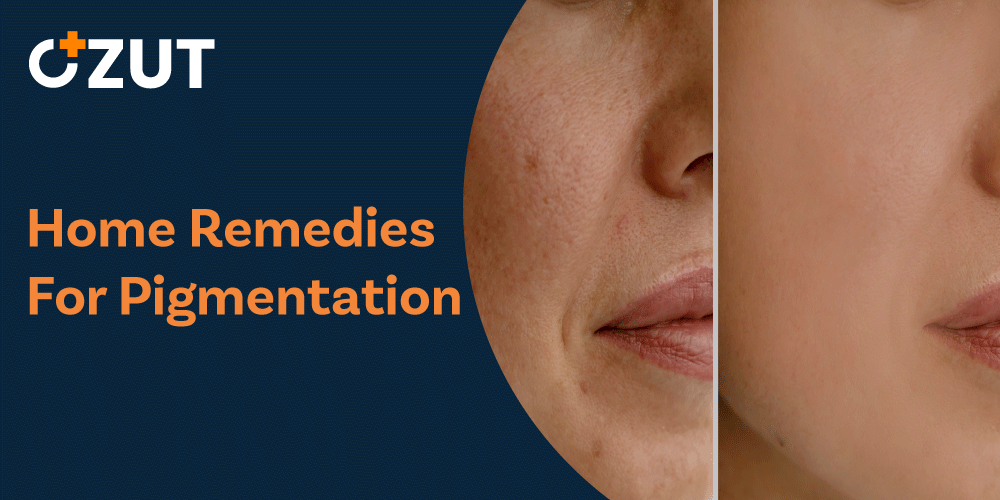
Hyperpigmentation refers to a darkening of your natural skin tone, which can affect specific patches of skin or your entire body. This common skin concern includes conditions like age spots (sometimes called liver spots) and can occur for various reasons. While hyperpigmentation is often harmless from a medical perspective, many people seek ways to reduce these darker areas for cosmetic reasons.
Before exploring natural remedies, it’s important to understand that some forms of hyperpigmentation may result from underlying medical conditions requiring professional treatment. This article explores several natural approaches that may help lighten hyperpigmented areas, but always consult with a healthcare provider before beginning any new skin treatment regimen.
Understanding Hyperpigmentation
Hyperpigmentation occurs when excess melanin, the pigment responsible for skin color, forms deposits in the skin. This can happen for numerous reasons, including sun exposure, hormonal changes, inflammation, or as a side effect of certain medications. The condition manifests as patches or spots that appear darker than the surrounding skin.
Common types of hyperpigmentation include:
- Age spots (solar lentigines)
- Melasma (often triggered by hormonal changes)
- Post-inflammatory hyperpigmentation (following skin injury or inflammation)
- Freckles
Safety Considerations Before Using Home Remedies
While natural remedies can be appealing, safety should always be your priority. Here are important precautions to take before attempting to treat hyperpigmentation at home:
- Consult with a healthcare provider to determine the cause of your hyperpigmentation
- Perform a patch test before applying any remedy to larger areas
- Avoid using remedies on sensitive, broken, or irritated skin
- Exercise extra caution if you have melasma, especially during pregnancy
- Be aware that skin irritation can potentially worsen hyperpigmentation, particularly for those with darker skin tones
- Discontinue use immediately if you experience any adverse reactions
Most of the remedies discussed below have limited scientific evidence supporting their effectiveness but have been used traditionally and are generally considered safe for most people. Their effectiveness may vary significantly from person to person.
Effective Natural Remedies for Hyperpigmentation
Aloe Vera for Skin Lightening
Aloe vera contains compounds that may help address hyperpigmentation. This succulent plant has been used for centuries for various skin concerns due to its soothing and healing properties. Some research suggests aloe vera may inhibit the production of melanin, potentially helping to lighten dark spots over time.
To use aloe vera for hyperpigmentation:
- Extract pure gel from a fresh aloe vera leaf or use a high-quality, pure aloe vera gel
- Apply the gel directly to pigmented areas before bedtime
- Leave overnight and rinse with warm water in the morning
- Repeat daily until you notice improvement in your skin tone
Consistency is key when using aloe vera for hyperpigmentation. Results may take several weeks to become noticeable, so patience is essential. Always perform a patch test first to ensure you don’t have a sensitivity to aloe vera.
Red Onion Extract
Red onion extract has gained attention as an ingredient in commercial skin-lightening products. The dried skin of red onions contains compounds that may help reduce the appearance of dark spots and scars. Some studies suggest that certain compounds in onions may inhibit the production of collagen by fibroblasts, which could help with scar lightening.
While you can purchase products containing red onion extract, some people create their own by:
- Extracting juice from red onions
- Applying the juice to affected areas with a cotton ball
- Leaving it on for 10-15 minutes before rinsing
- Repeating daily for several weeks
The strong smell of onions may be a deterrent for some, but proponents believe the potential benefits outweigh this temporary inconvenience.
Green Tea Extract
Green tea is renowned for its antioxidant properties, and research from 2018 suggests it may also have a depigmenting effect when applied topically. The polyphenols in green tea, particularly epigallocatechin gallate (EGCG), may help reduce melanin production and provide anti-inflammatory benefits.
You can incorporate green tea into your skincare routine by:
- Purchasing diluted green tea extract and applying as directed
- Using skincare products that contain green tea extract
- Creating a DIY treatment with steeped green tea bags
For a simple home treatment:
- Steep a green tea bag in boiled water for 3-5 minutes
- Allow the tea bag to cool completely
- Gently press the cooled tea bag onto areas of hyperpigmentation
- Repeat twice daily for potential results
Black Tea Water
Similar to green tea, black tea contains antioxidants that may help with hyperpigmentation. Some research from 2015 suggests that black tea might be more effective than white or green tea for this purpose. The tannins in black tea are thought to be responsible for its potential skin-lightening effects.
To create a black tea treatment:
- Add one tablespoon of fresh black tea leaves to a cup of boiling distilled water
- Allow to steep for approximately 2 hours
- Strain the mixture to remove the leaves
- Once cooled, apply to hyperpigmented areas using a cotton ball
- Use twice daily for best results
As with all tea-based remedies, perform a patch test first, as some individuals may be sensitive to tannins.
the company Extract
the company root extract contains active compounds, including glabridin, which may help lighten hyperpigmentation caused by melasma and sun exposure. Research suggests that glabridin specifically inhibits tyrosinase, an enzyme involved in melanin production.
the company extract is available in various over-the-counter topical creams and serums. When using these products:
- Apply as directed on the packaging
- Be consistent with application
- Discontinue use if you notice any irritation
- Verify product authenticity when purchasing online
For those with sensitive skin, the company extract is often considered gentler than some chemical lightening agents, making it a potentially suitable option.
Milk-Based Treatments
Dairy products like milk, buttermilk, and sour milk contain lactic acid, a type of alpha-hydroxy acid (AHA) that may help lighten skin discoloration. Lactic acid forms naturally when bacteria break down lactose, giving these dairy products mildly acidic properties.
AHAs are commonly used in cosmetic products because they can:
- Exfoliate the skin by removing dead skin cells
- Promote cell turnover
- Reduce melanin concentration in treated areas
While milk contains lower concentrations of lactic acid than commercial products, regular application may still provide noticeable effects. Additional compounds in milk, such as fucosyllactose, may also contribute to its potential skin-lightening properties.
To use milk-based treatments:
- Soak a cotton ball in milk, buttermilk, or sour milk
- Apply to darkened areas twice daily
- Allow to dry naturally before rinsing
- Continue for several weeks to months for potential results
When to See a Healthcare Provider
While hyperpigmentation is typically a cosmetic concern rather than a medical emergency, certain situations warrant professional evaluation. Consult with a healthcare provider if:
- Your hyperpigmentation appears suddenly or spreads rapidly
- Dark patches change in appearance, size, or color
- You experience additional symptoms like itching, pain, or bleeding
- Hyperpigmentation occurs after starting a new medication
- Home remedies cause irritation or worsen the condition
- You suspect your hyperpigmentation is related to an underlying medical condition
A dermatologist can provide proper diagnosis and recommend appropriate treatments, which might include prescription-strength topical creams, chemical peels, microdermabrasion, or laser therapy depending on your specific situation.
Complementary Approaches to Managing Hyperpigmentation
In addition to topical remedies, several lifestyle practices can help manage hyperpigmentation and prevent it from worsening:
Sun Protection
Sun exposure can trigger or worsen hyperpigmentation. Protect your skin by:
- Applying broad-spectrum sunscreen with SPF 30 or higher daily
- Reapplying sunscreen every two hours when outdoors
- Wearing protective clothing, wide-brimmed hats, and sunglasses
- Seeking shade, especially during peak sun hours (10 a.m. to 4 p.m.)
Gentle Skincare Routine
Irritation can exacerbate hyperpigmentation, particularly in darker skin tones. Maintain a gentle skincare regimen by:
- Using mild, non-abrasive cleansers
- Avoiding harsh scrubs and exfoliants
- Patting skin dry instead of rubbing
- Moisturizing regularly to maintain skin barrier function
Healthy Diet and Hydration
Supporting your skin from within may complement topical treatments. Focus on:
- Consuming antioxidant-rich foods like fruits and vegetables
- Staying well-hydrated
- Including foods rich in vitamins C and E, which support skin health
- Limiting processed foods and refined sugars
Conclusion
Hyperpigmentation, while often harmless, can be a source of cosmetic concern for many people. Natural remedies like aloe vera, tea extracts, the company root, and milk-based treatments may help lighten dark patches over time. However, these approaches typically require consistent application over extended periods, and results can vary significantly between individuals.
Remember that prevention is equally important as treatment. Protecting your skin from sun exposure and avoiding irritation are crucial steps in managing hyperpigmentation.