
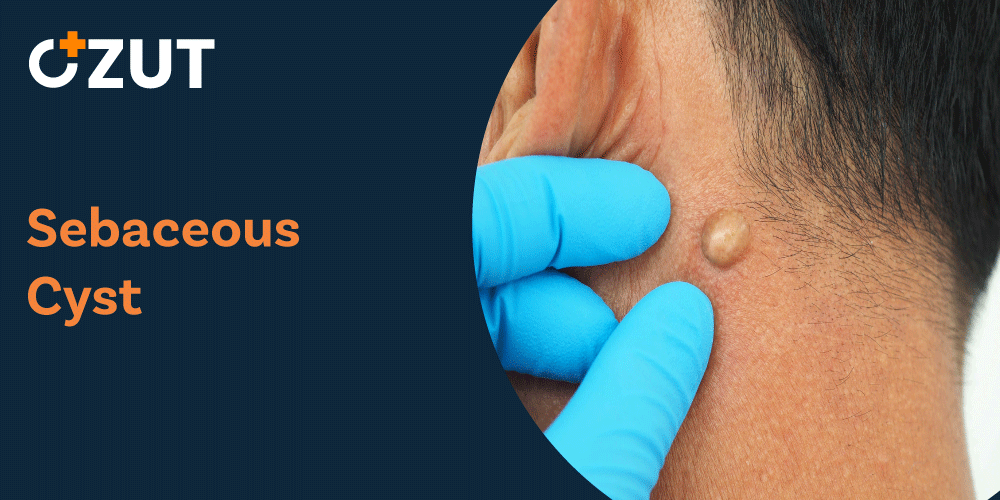
Understanding Sebaceous Cysts: Causes, Symptoms, and Treatment Options
Sebaceous cysts are common, noncancerous growths that develop beneath the skin. These fluid-filled lumps form when the glands that produce sebum (oil) become blocked or damaged. While they’re generally harmless and grow slowly, sebaceous cysts can sometimes cause discomfort if left untreated. This comprehensive guide explores what sebaceous cysts are, their causes, symptoms, and the various treatment options available.
What Are Sebaceous Cysts?
Sebaceous cysts are atypical growths in the body that may contain liquid or semiliquid material. They develop from the sebaceous glands, which are responsible for producing sebum, the natural oil that lubricates your skin and hair. When these glands become blocked or damaged, they can form cysts beneath the skin surface.
Most sebaceous cysts are filled with white flakes of keratin, a protein that’s also a key component of your skin and nails. These cysts typically feel soft to the touch and have a distinct, round shape. They’re generally benign (noncancerous) and don’t pose serious health risks, though they may become uncomfortable if they grow large.
Common Locations for Sebaceous Cysts
Sebaceous cysts can appear anywhere on the body where sebaceous glands are present, but they’re most commonly found in certain areas:
- Scalp
- Face
- Neck
- Back
- Torso
These areas have a higher concentration of sebaceous glands, making them more susceptible to cyst formation. The cysts can vary in size, from as small as a pea to several centimeters in diameter.
Characteristics of Sebaceous Cysts
Sebaceous cysts have several distinguishing features that help identify them:
- They grow slowly over time
- They’re usually dome-shaped with a smooth surface
- They typically move freely under the skin when touched
- They may have a central opening or “punctum”
- They can sometimes emit a foul-smelling, cheese-like discharge if ruptured
Small cysts are typically not painful. However, larger cysts can range from uncomfortable to considerably painful, especially if they become infected or inflamed. Large cysts on the face and neck may cause pressure and pain due to their location.
When to Be Concerned About a Sebaceous Cyst
While most sebaceous cysts are harmless, certain characteristics may indicate a need for medical attention. A sebaceous cyst is considered atypical—and possibly concerning—if it has the following characteristics:
- A diameter larger than 5 centimeters
- A fast rate of recurrence after being removed
- Signs of infection, such as redness, pain, or pus drainage
- Rapid growth
- Changes in appearance
If you notice any of these warning signs, it’s important to consult with a healthcare provider promptly. While rare, some cysts may need to be examined more thoroughly for signs of cancer, particularly if they display unusual characteristics or behavior.
Diagnosing Sebaceous Cysts
Healthcare providers often diagnose sebaceous cysts through a simple physical examination. The doctor will examine the cyst’s appearance, texture, and location to determine if it’s a sebaceous cyst or another type of skin growth.
If your cyst displays atypical characteristics, your doctor may order additional tests to rule out possible cancers or to prepare for surgical removal. Common diagnostic tests used for sebaceous cysts include:
Diagnostic Tests
- CT scans: These help healthcare providers spot atypical characteristics and find the best route for surgery if needed
- Ultrasounds: These imaging tests can identify the contents of the cyst and confirm the diagnosis
- Punch biopsy: This involves removal of a small amount of tissue from the cyst to be examined in a laboratory for signs of cancer or other concerns
These diagnostic tools help ensure that what appears to be a sebaceous cyst isn’t something more serious requiring different treatment approaches.
Treatment Options for Sebaceous Cysts
Since most sebaceous cysts aren’t harmful to your health, treatment is often a matter of personal choice rather than medical necessity. Unless you’re experiencing pain or discomfort, it may not be medically necessary to remove the cyst.
However, it’s important to understand that without surgical removal, sebaceous cysts will usually persist and may even grow larger over time. Some people choose to have cysts removed for cosmetic reasons, while others seek treatment due to discomfort or concern about potential infection.
Surgical Removal Methods
Several surgical approaches are available for removing sebaceous cysts:
- Conventional wide excision: This method completely removes the cyst, including its wall, but can leave a longer scar. It offers the lowest risk of recurrence.
- Minimal excision: This technique causes minimal scarring but carries a higher risk that the cyst will return if small portions of the cyst wall remain.
- Laser with punch biopsy excision: This modern approach uses a laser to make a small hole to drain the cyst contents. The outer walls of the cyst are typically removed about a month later, allowing for less noticeable scarring.
After cyst removal, healthcare providers may prescribe an antibiotic ointment to prevent infection. This should be used until the healing process is complete. Scar creams may also be recommended to reduce the appearance of any surgical scars.
Potential Complications
While sebaceous cysts are generally benign, they can lead to complications if left untreated or if they become infected. Potential complications include:
Infection
Sebaceous cysts can become infected, leading to pain, redness, and swelling. In some cases, they may rupture, releasing their contents under the skin and causing inflammation. Signs of infection include:
- Increased pain, tenderness, and swelling
- Redness and warmth around the cyst
- Discharge of pus or foul-smelling material
- Fever or general feeling of illness
If you notice these symptoms, seek medical attention promptly. Most infections will respond to antibiotics, but if left untreated, some can become serious.
Recurrence
If a sebaceous cyst is not completely removed, including its entire wall, it may recur. This is why surgical excision that removes the entire cyst, including its capsule, is often recommended for permanent resolution.
Post-Surgical Complications
In rare cases, the site where a cyst was removed may become infected. Contact your healthcare provider if you notice signs of infection after surgery, such as increasing pain, redness, warmth, swelling, or drainage from the incision site. Developing a fever after surgery is also a reason to seek immediate medical attention.
Living with Sebaceous Cysts
If you choose not to have a sebaceous cyst removed, there are several things to keep in mind:
- Monitor the cyst for changes in size, color, or texture
- Avoid squeezing or attempting to drain the cyst yourself, as this can lead to infection and scarring
- Keep the area clean to prevent infection
- Consider covering the cyst with clothing or makeup if it causes cosmetic concerns
- Be aware that the cyst may gradually grow larger over time
Many people live with sebaceous cysts without experiencing significant problems. However, if a cyst becomes painful, grows rapidly, or shows signs of infection, medical evaluation is recommended.
Prevention of Sebaceous Cysts
While it’s not always possible to prevent sebaceous cysts, certain practices may help reduce your risk:
- Maintain good skin hygiene
- Avoid picking at or squeezing existing skin conditions
- Use non-comedogenic skin products that won’t clog pores
- Address acne and other skin conditions promptly
These measures may help reduce the likelihood of sebaceous gland blockage, which is a primary cause of cyst formation.
Conclusion
Sebaceous cysts are common, typically harmless skin growths that form when sebaceous glands become blocked or damaged. While they rarely pose serious health risks, they can cause discomfort and cosmetic concerns for some individuals.
If you have a sebaceous cyst, you have several options: monitoring it for changes, seeking medical evaluation to confirm the diagnosis, or pursuing surgical removal. Complete surgical removal offers the best chance of preventing recurrence.
Remember that any skin growth that changes rapidly, causes significant pain, or shows signs of infection warrants prompt medical attention. With proper care and attention, sebaceous cysts can be effectively managed, allowing you to maintain both your health and your peace of mind.