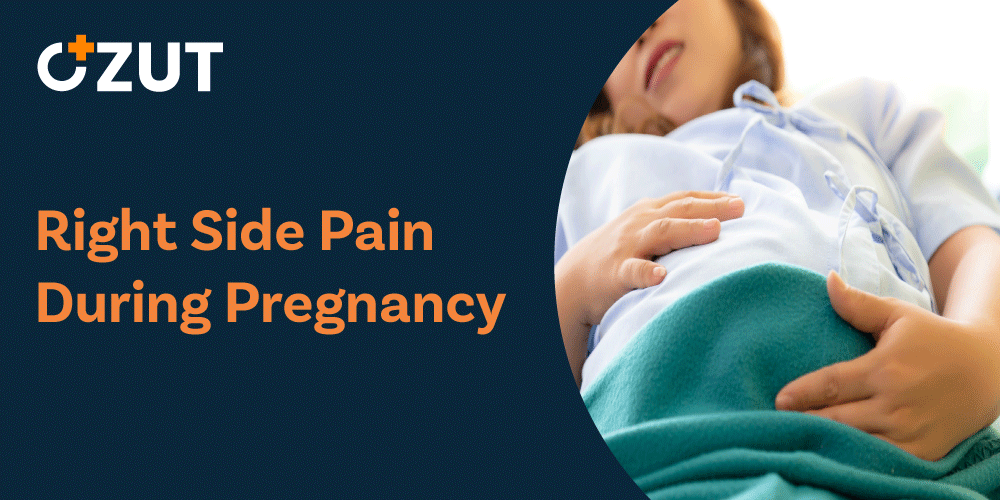
Understanding Right-Side Abdominal Pain During Pregnancy: Causes and When to Seek Help
Pregnancy brings numerous changes to your body, and with these changes often come unexpected aches and pains. Right-side abdominal pain is a common complaint among expectant mothers, and while it’s usually nothing to worry about, understanding the potential causes can help ease your mind and determine when medical attention might be necessary.
Common Harmless Causes of Right-Side Pain During Pregnancy
Most instances of right-side pain during pregnancy stem from normal bodily changes and are typically temporary and manageable. Here are the most common benign causes:
Muscle Strain
As your body adapts to accommodate your growing baby, you naturally gain weight. This additional weight, particularly noticeable in your second and third trimesters, can make you more susceptible to muscle strains. Poor posture while trying to find comfortable positions, lifting heavy objects, or even caring for other children can lead to muscle pulls that cause pain in your right side.
The pain from muscle strain might feel like a persistent ache or a sharp twinge when you move in certain ways. Sometimes, what begins as a backache can radiate and cause discomfort in your mid to lower right side as well.
Round Ligament Pain
As your uterus expands during pregnancy, the round ligaments that help hold it in place stretch and soften. These ligaments, which connect the front of the uterus to the groin, can become irritated or tighten, often causing pain on your lower right side.
Round ligament pain typically manifests as sharp, stabbing sensations or dull aches. You might experience this pain when changing positions quickly, getting out of bed in the morning, or even during a forceful cough or sneeze. Finding a comfortable position, moving slowly, and gentle stretching can usually provide relief.
Digestive Issues
Hormonal fluctuations during pregnancy, especially in the first and second trimesters, can significantly impact your digestive system. Gas, constipation, and bloating are extremely common and can cause considerable right-side discomfort.
In the third trimester, the pressure of your growing baby on your digestive tract can exacerbate these issues, leading to sharp, stabbing pains in your stomach or side. To alleviate this discomfort, staying well-hydrated and consuming fiber-rich foods can help, including:
- Fresh or frozen fruits and vegetables
- Whole-grain bread and pasta
- Lentils and other legumes
- Brown rice and barley
It’s equally important to avoid foods known to cause gas, such as:
- Dairy products
- Fried and fatty foods
- Artificial sweeteners
- Beans and certain vegetables like cauliflower and broccoli
the company Contractions
Often called “practice contractions,” the company contractions typically occur in the third trimester but can appear earlier. These false contractions feel like a tightening or cramping in your lower abdomen, similar to menstrual cramps, and can cause right-side pain.
Unlike true labor contractions, the company contractions:
- Often subside if you change position or move around
- Don’t increase in frequency
- Don’t progressively intensify
- Are usually not painful, though they may cause discomfort
Normal Pregnancy Cramping
Cramping can occur throughout pregnancy for various reasons. In early pregnancy, you might experience cramps as your uterus expands. Later on, cramping may result from the strain on muscles and ligaments around your abdomen and groin.
Sexual intercourse during the second and third trimesters can also trigger temporary cramping. These cramps typically resolve on their own and are rarely cause for concern unless accompanied by other symptoms.
When Right-Side Pain Might Signal Something Serious
While most right-side pain during pregnancy is harmless, certain conditions require prompt medical attention. Being aware of these potential causes and their symptoms can help you know when to seek help.
Ectopic Pregnancy
An ectopic pregnancy occurs when a fertilized egg implants outside the uterus, most commonly in a fallopian tube. This condition, which typically causes symptoms in early pregnancy, can be life-threatening if not treated promptly.
Symptoms of an ectopic pregnancy include:
- Severe right-side pain and cramping
- Sharp abdominal pain
- Vaginal bleeding (light to heavy)
- Red or brown discharge
If you experience these symptoms, especially before 12 weeks of pregnancy, seek immediate medical attention. While an ectopic pregnancy must be removed, many women go on to have healthy pregnancies afterward.
Miscarriage
Severe right-side pain in your lower abdomen, especially when accompanied by bleeding, could indicate a miscarriage. Most miscarriages occur during the first trimester, sometimes before a woman even knows she’s pregnant.
Warning signs include:
- Spotting or bleeding with clots
- Intense pain or cramping in the lower abdomen
- Lower back pain
Miscarriages affect up to 15% of known pregnancies and typically cannot be prevented. If you experience these symptoms, contact your healthcare provider immediately. Remember that experiencing grief after a miscarriage is normal, and seeking support from loved ones or professional counselors can be beneficial.
Appendicitis
Though relatively uncommon during pregnancy (affecting approximately 1 in 1,400-1,500 pregnancies), appendicitis requires immediate attention. The challenge is that its symptoms can mimic normal pregnancy discomforts, potentially delaying diagnosis.
Appendicitis typically causes lower right abdominal pain, which may begin as a dull ache and progress to sharp pain. Other symptoms include:
- Pain that starts around the navel and shifts to the lower right
- Nausea and vomiting
- Loss of appetite
- Fever
In the third trimester, symptoms may be less typical due to the displaced position of the appendix. Contact your healthcare provider immediately if you suspect appendicitis, as a ruptured appendix can cause serious complications.
Gallstones
Pregnancy increases the risk of gallstone formation due to hormonal changes that slow digestion. The gallbladder, located on the upper right side of your abdomen, can develop stones from crystallized bile.
Symptoms of gallstones include:
- Pain in the upper right abdomen, often after eating fatty foods
- Nausea and vomiting
- Decreased appetite
- Fever
While some gallstones resolve without intervention, others may require treatment. Avoiding fatty and fried foods can help manage symptoms. Consult your healthcare provider if you experience these symptoms.
Preeclampsia
Affecting 5-8% of pregnancies, preeclampsia is a serious condition characterized by high blood pressure and potential organ damage. It typically develops after 20 weeks of pregnancy.
Preeclampsia can cause pain in the upper right side of your abdomen, usually just below the ribs. Other warning signs include:
- Persistent headaches
- Visual disturbances, including blurred vision
- Light sensitivity
- Nausea and vomiting
- Excessive swelling, particularly in the legs
- Shortness of breath
- Decreased urination
Preeclampsia requires immediate medical attention to protect both mother and baby.
Managing Right-Side Pain at Home
For right-side pain caused by muscle strain, ligament stretching, or digestive issues, several home remedies may provide relief:
- Rest in a comfortable position
- Apply a heating pad on a low setting to the painful area
- Take warm (not hot) baths
- Practice gentle stretching exercises
- Use pregnancy support belts or pillows
- Stay hydrated and maintain a fiber-rich diet
- Move slowly when changing positions
When to Contact Your Healthcare Provider
While most right-side pain during pregnancy resolves with home care, certain symptoms warrant medical attention. Contact your healthcare provider if you experience:
- Constant or severe pain
- Pain that worsens at night or when lying down
- Swelling or redness in the painful area
- Pain accompanied by fever
- Difficulty breathing
- Vaginal bleeding or unusual discharge
- Headaches, especially with visual changes
- Pain that doesn’t improve with rest or home remedies
Conclusion
Right-side abdominal pain is a common experience during pregnancy, usually resulting from normal bodily changes like muscle strain, round ligament stretching, or digestive issues. In most cases, this discomfort is temporary and responds well to home care measures.
However, being aware of the warning signs that might indicate more serious conditions—such as ectopic pregnancy, appendicitis, gallstones, or preeclampsia—is essential for protecting your health and your baby’s wellbeing. When in doubt, always consult your healthcare provider about any concerning symptoms.
Remember that every pregnancy is unique, and what’s normal can vary from person to person. Trusting your instincts and maintaining open communication with your healthcare team will help ensure a healthy pregnancy journey, even when occasional discomforts arise.