
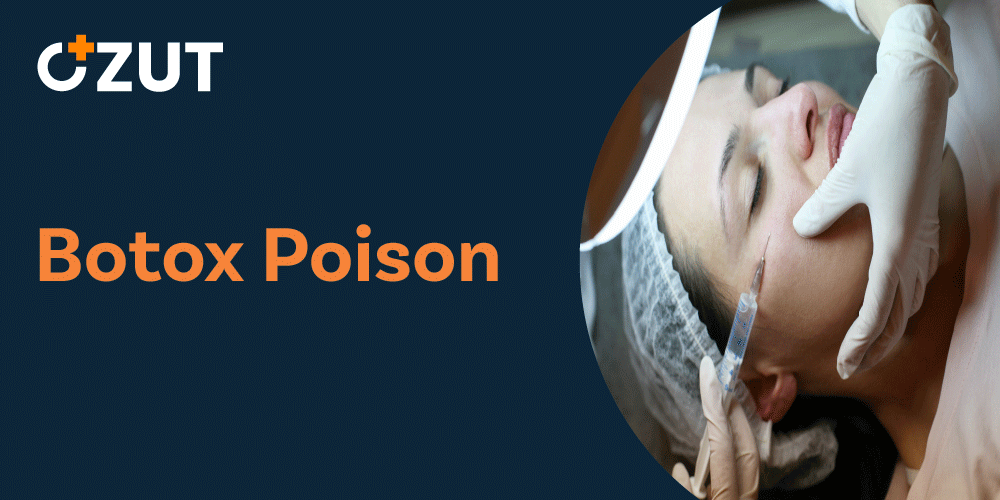
Understanding Injectable Neurotoxins: Benefits, Safety, and Side Effects in Cosmetic and Medical Applications
Injectable neurotoxins have revolutionized both cosmetic and medical treatments over the past few decades. While these products contain toxins, when administered properly by qualified professionals, the side effects are typically minimal and temporary. This comprehensive guide explores how these treatments work, their safety profile, common applications, and what patients should know before treatment.
What Are Injectable Neurotoxins?
Injectable neurotoxins are prescription medications derived from botulinum toxin type A, produced by the bacterium the company botulinum. There are several formulations available on the market today, each with slightly different properties but similar mechanisms of action. These products represent purified forms of the same toxin that causes botulism (a potentially life-threatening form of food poisoning), but their effects vary dramatically according to the amount and type of exposure.
When injected in small, targeted doses by qualified medical professionals, these neurotoxins block signals from nerves to muscles. This temporary blockage prevents the targeted muscles from contracting, which can effectively treat certain muscular conditions and improve the appearance of dynamic facial lines and wrinkles.
Safety Profile of Injectable Neurotoxins
Although botulinum toxin is dangerous in large amounts, the small, purified doses used in medical and cosmetic applications are considered safe when properly administered. The safety profile of these treatments has been established through decades of clinical use and numerous studies.
Some researchers have noted that cosmetic applications may actually carry less risk than therapeutic injections because the doses used for cosmetic purposes are typically much smaller than those required for medical conditions.
Research on Safety
Extensive research has examined the safety of injectable neurotoxins. Studies have found that serious adverse effects are extremely rare. Less serious, non-life-threatening side effects are more common in cosmetic use, possibly due to the larger volume of patients who receive these treatments for cosmetic reasons compared to those who undergo medical treatment.
Common minor side effects may include:
- Superficial reddening of the skin
- Bruising at injection sites
- Temporary swelling
- Drooping eyelid or brow (temporary)
- Pain or discomfort in the injected area
- Minor skin discolorations
The majority of these side effects are mild and temporary, typically resolving within a few days to weeks. Overall, when administered by qualified healthcare professionals, injectable neurotoxins maintain a strong safety record.
Importance of Qualified Providers
The safety of neurotoxin treatments depends significantly on who administers them. Patients should always seek treatment from board-certified dermatologists, plastic surgeons, or other appropriately trained medical professionals. Adverse side effects are more likely to occur if injections aren’t prepared according to proper standards or are administered by inexperienced practitioners.
Additionally, certain populations should avoid these treatments, including pregnant women and those who are breastfeeding, as the effects on these groups haven’t been adequately studied.
Common Cosmetic Applications
Injectable neurotoxins are most widely known for their ability to reduce the appearance of dynamic wrinkles and fine lines. These are wrinkles formed by repeated muscle movements over time.
Popular Treatment Areas
The most common cosmetic applications include:
- Crow’s feet (wrinkles that appear at the outer corners of the eyes when smiling)
- Glabellar lines (frown lines between the eyebrows)
- Forehead creases and horizontal lines
- Bunny lines (wrinkles that form on the nose when smiling)
- Perioral lines (fine lines around the mouth)
- Neck bands (platysmal bands)
The temporary muscle relaxation provided by these injections helps smooth the appearance of the skin in these areas, creating a more youthful and rested appearance without affecting natural facial expressions when administered properly.
Medical Applications of Neurotoxin Injections
Beyond cosmetic uses, injectable neurotoxins treat numerous medical conditions. In fact, many of these medical applications were discovered before the cosmetic benefits became widely recognized.
Approved Medical Uses
These treatments are used to address various medical conditions including:
- Amblyopia (“lazy eye”)
- Strabismus (“crossed eyes”)
- Blepharospasm (eye twitching)
- Chronic migraine prevention
- Cervical dystonia (painful neck spasms)
- Overactive bladder
- Hyperhidrosis (excessive sweating)
- Certain neurological conditions like cerebral palsy
- Temporomandibular joint disorders (TMJ)
- Bruxism (teeth grinding)
For many patients with these conditions, neurotoxin injections provide significant relief when other treatments have failed. The therapeutic doses for these conditions are often higher than those used for cosmetic purposes.
Potential Side Effects and Complications
Although injectable neurotoxin treatments are relatively safe, patients should be aware of potential side effects. Most adverse effects are minor and resolve without intervention as the product naturally metabolizes.
Common Side Effects
The most frequently reported side effects include:
- Pain, swelling, or bruising at the injection site
- Headache or flu-like symptoms
- Redness or tenderness in the treated area
- Temporary facial asymmetry
Area-Specific Side Effects
Some side effects are specific to the treatment area. For example, injections around the eyes may cause:
- Temporary drooping of the eyelid (ptosis)
- Dry eyes or excessive tearing
- Difficulty closing the eyes completely
- Mild blurred vision
Most of these effects are temporary and fade within days or weeks. However, complications like drooping eyelids, unintended muscle weakness, or facial asymmetry may take several weeks to improve as the product gradually wears off.
Long-Term Safety and Repeated Treatments
Since the effects of neurotoxin injections typically last 3-6 months, many patients receive repeated treatments to maintain results. This raises questions about long-term safety and effectiveness.
Research on Repeated Treatments
One comprehensive study followed patients receiving repeated injections for various conditions over a 12-year period. The researchers concluded that the risk of adverse effects did not increase over time. In fact, people who received repeated injections often experienced better treatment success in the long term, possibly due to cumulative effects on the targeted muscles.
However, other research suggests that adverse effects may appear after the 10th or 11th injection in some patients. These potential effects include:
- Difficulty swallowing
- Neck weakness
- Nausea or vomiting
- Blurred vision
- General muscle weakness
- Difficulty chewing or speaking
- Voice changes or hoarseness
- Facial edema (swelling)
More research is needed to fully understand the potential long-term effects of repeated neurotoxin injections, particularly in patients who begin treatments at younger ages and continue for decades.
What to Expect During Treatment
Understanding the treatment process can help patients prepare appropriately and have realistic expectations.
The Injection Process
A typical neurotoxin injection appointment includes:
- Consultation and facial assessment
- Cleansing of the treatment areas
- Possible application of topical numbing cream
- Strategic injections using very fine needles
- Brief post-treatment instructions
The entire process usually takes 15-30 minutes, earning these treatments their “lunchtime procedure” nickname. Most patients experience minimal discomfort and can return to normal activities immediately.
Post-Treatment Guidelines
After receiving injections, providers typically recommend:
- Avoiding touching or massaging the treated areas for 24 hours
- Staying upright for 4-6 hours
- Avoiding strenuous exercise for 24 hours
- Limiting alcohol consumption
- Avoiding blood-thinning medications if approved by your primary physician
Results typically begin to appear within 3-7 days, with full effects visible after about two weeks.
Choosing a Qualified Provider
The importance of working with qualified, experienced healthcare professionals cannot be overstated. While seeking lower-cost options may be tempting, the risks associated with improperly administered injections can far outweigh any financial savings.
When selecting a provider, patients should:
- Verify medical credentials and specialized training
- Review before-and-after photos of actual patients
- Read patient reviews and testimonials
- Ensure the treatment setting is clean and professional
- Confirm the product being used is genuine and properly stored
Remember that these products last 3-6 months in the body, so choosing the right provider is essential for both safety and aesthetic outcomes.
Conclusion: Making an Informed Decision
Injectable neurotoxins have established themselves as valuable tools in both cosmetic enhancement and medical treatment. When administered by qualified professionals in appropriate doses, they offer a safe option with minimal side effects for most patients.
As with any medical procedure, potential risks exist, and individual results may vary. Patients considering these treatments should have thorough consultations with qualified healthcare providers to discuss their specific goals, medical history, and potential risks and benefits.
By understanding how these treatments work, what to expect during the procedure, and possible side effects, patients can make informed decisions about whether injectable neurotoxins are right for them. With proper administration and realistic expectations, these treatments can provide significant benefits with minimal risk for most individuals.