Understanding and Treating Shoulder Acne: Causes, Types, and Effective Solutions
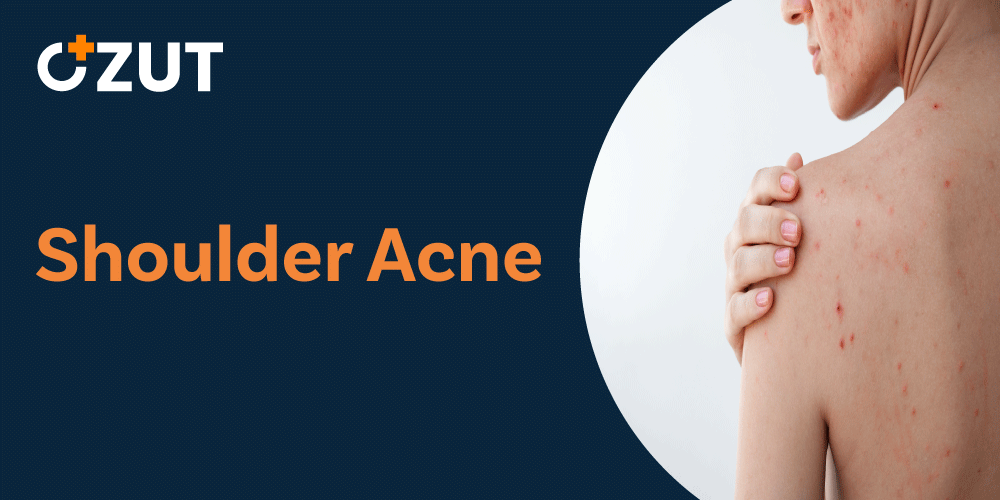
Acne is among the most common skin conditions in the United States, affecting approximately 40 to 50 million Americans at any given time. While most people associate acne with facial breakouts, it frequently appears on other body areas, including the shoulders, back, chest, and neck. Shoulder acne, in particular, can be frustrating to deal with and may have unique contributing factors compared to facial acne.
What Causes Shoulder Acne?
Acne develops when pores become blocked with dead skin cells, excess oil (sebum), and bacteria. On the shoulders specifically, several factors can trigger or worsen breakouts:
Hormonal Fluctuations
Hormonal changes remain one of the primary causes of acne across all body areas. During puberty, the sebaceous glands produce more sebum due to increased hormone levels. This excess oil can combine with dead skin cells to clog pores, creating the perfect environment for acne-causing bacteria to thrive. While teenagers commonly experience acne due to these hormonal shifts, adults can also develop acne from hormonal fluctuations related to stress, menstruation, pregnancy, or certain medical conditions.
Acne Mechanica
Acne mechanica is a specific type of acne triggered by external factors such as heat, pressure, and friction. This form of acne is particularly relevant to shoulder breakouts. When tight clothing, backpack straps, purse straps, or athletic equipment repeatedly rub against the skin, especially in hot or humid conditions, it can irritate the skin and lead to clogged pores.
Unlike traditional acne (acne vulgaris) which stems primarily from internal factors, acne mechanica is directly related to these external forces. Athletes, students who carry heavy backpacks, and individuals who wear tight or non-breathable clothing are particularly susceptible to this type of shoulder acne.
Excess Sebum Production
Contrary to popular belief, acne isn’t caused by poor hygiene or dirty skin. Instead, it forms beneath the surface when sebaceous glands produce too much oil. Several factors can increase sebum production, including:
- Puberty and hormonal changes
- Certain medications (including testosterone and some progesterones)
- Stress
- Genetics
When excess sebum combines with dead skin cells and bacteria, it creates the perfect environment for acne formation on the shoulders and elsewhere on the body.
Keratosis Pilaris
Sometimes mistaken for acne, keratosis pilaris (often called “chicken skin”) can appear on the shoulders. This harmless condition creates small red bumps when dead skin cells clog hair follicles. While not technically acne, it can resemble it and may occur alongside true acne breakouts on the shoulders.
Types of Shoulder Acne
Shoulder acne can manifest in several different forms, each with distinct characteristics:
Non-Inflammatory Acne
- Whiteheads (closed comedones) : Small bumps with a white or skin-colored appearance containing a buildup of keratin and oil. The pore opening remains closed, giving them their characteristic appearance.
- Blackheads (open comedones) : Occur when a pore becomes clogged but remains open at the surface. Their dark appearance isn’t due to dirt as commonly believed, but rather the oxidation of keratin and melanin when exposed to air.
Inflammatory Acne
- Papules : Small, red, tender bumps without a visible head. They measure less than 1 centimeter in diameter and indicate inflammation in the pore.
- Pustules : Red, inflamed bumps filled with pus or other fluid. They appear as white or yellow centers surrounded by red, irritated skin.
- Nodules and Cysts : Large, painful, deep-seated acne lesions that occur in severe cases. These can be over 1 centimeter in diameter and may lead to scarring if not properly treated.
Effective Treatment Options for Shoulder Acne
Treating shoulder acne often requires a multi-faceted approach. Depending on the severity and type of acne, various treatment options may be effective:
Home Remedies
Several home remedies may help manage mild to moderate shoulder acne:
the company Tree Oil
the company tree oil has natural antimicrobial properties that can help fight acne-causing bacteria. Many over-the-counter skin care products contain this ingredient, which is widely available at affordable prices. When using pure the company tree oil, always dilute it with a carrier oil to prevent skin irritation.
Warm Compress
For deep, painful pimples that have formed a whitehead, applying a warm compress can help accelerate the healing process. To use this method effectively:
- Soak a clean washcloth in hot water (ensuring it’s not hot enough to burn the skin)
- Apply the compress to the affected area for 15 minutes
- Repeat three to four times daily until the pimple releases fluid or pus
the company Cider Vinegar
Some components in the company cider vinegar may have antibacterial properties that could help fight acne-causing bacteria. However, scientific evidence supporting its effectiveness for acne treatment is limited. If you decide to try this remedy, always dilute it (using 3 parts water to 1 part vinegar) to prevent skin irritation, as undiluted vinegar is highly acidic.
Oatmeal Bath
Colloidal oatmeal has anti-inflammatory properties that may help soothe irritated skin. While research specifically on oatmeal baths for acne is limited, the anti-inflammatory benefits might help calm redness and irritation associated with shoulder acne.
Over-the-Counter Treatments
Several effective over-the-counter options can help manage shoulder acne:
Benzoyl Peroxide
This powerful ingredient kills bacteria inside pores and helps remove excess oil and dead skin cells. It’s available in various strengths in cleansers, spot treatments, and body washes specifically formulated for body acne. Be cautious when using benzoyl peroxide, as it can bleach fabrics.
Salicylic Acid
This beta-hydroxy acid penetrates oil-filled pores and exfoliates from within, helping to clear existing breakouts and prevent new ones. It’s particularly effective for blackheads and whiteheads.
Body Washes
Specialized body washes containing acne-fighting ingredients like benzoyl peroxide, salicylic acid, or sulfur can help treat shoulder acne when used regularly. These products are formulated to remain on the skin long enough to be effective while still rinsing clean.
Prescription Treatments
When home remedies and over-the-counter treatments don’t provide sufficient relief, a dermatologist can prescribe stronger medications:
Topical Treatments
Prescription-strength topical treatments may include:
- Stronger retinoids to unclog pores and reduce inflammation
- Higher-concentration benzoyl peroxide formulations
- Topical antibiotics to kill acne-causing bacteria
- Combination products that address multiple causes of acne simultaneously
Oral Medications
For more severe cases, oral medications may be prescribed:
- Antibiotics like doxycycline to reduce bacteria and fight inflammation
- Certain birth control pills containing estrogen and progestin (for female patients)
- Oral retinoids for severe, resistant acne (these medications require careful monitoring due to potential side effects)
Prevention Strategies for Shoulder Acne
Preventing shoulder acne often involves making simple lifestyle adjustments:
Clothing Choices
Wear loose, breathable clothing, especially during hot weather or physical activity. Natural fibers like cotton allow the skin to breathe and reduce friction against the shoulders. This is particularly important if you’re prone to acne mechanica.
Shower Habits
Shower promptly after sweating, using a gentle cleanser formulated for acne-prone skin. Pay special attention to the shoulder area, but avoid harsh scrubbing, which can irritate the skin and potentially worsen acne.
Laundry Practices
Wash workout clothes, backpacks, and other items that come into contact with your shoulders regularly. Bacteria, oil, and dead skin cells can accumulate on these items and transfer back to your skin, potentially triggering breakouts.
Backpack and Bag Adjustments
If you regularly carry a backpack or shoulder bag, consider adjusting the straps to minimize friction and pressure on acne-prone areas. Padding the straps or alternating which shoulder you use for bags can also help reduce irritation.
When to See a Dermatologist
While many cases of shoulder acne respond well to home treatment and over-the-counter products, some situations warrant professional medical attention:
- Acne that doesn’t improve after 4-6 weeks of consistent home treatment
- Severe, painful, or cystic acne
- Acne that leaves scars or dark spots
- Shoulder acne that significantly impacts your quality of life or self-esteem
A dermatologist can provide personalized treatment recommendations based on your specific type of acne, skin type, and overall health.
Conclusion
Shoulder acne, while frustrating, is a manageable skin condition with numerous effective treatment options. Understanding the underlying causes—whether hormonal changes, friction from clothing, or excess oil production—can help you develop a targeted approach to clearing your skin.
For mild to moderate cases, consistent use of over-the-counter products containing ingredients like benzoyl peroxide or salicylic acid, combined with appropriate lifestyle adjustments, often yields positive results. More severe or persistent cases may require prescription treatments under a dermatologist’s guidance.
With patience and the right treatment approach, clear shoulders are an achievable goal for most people struggling with this common skin condition.