Understanding Gallstones: Symptoms, Causes, and Treatment Options
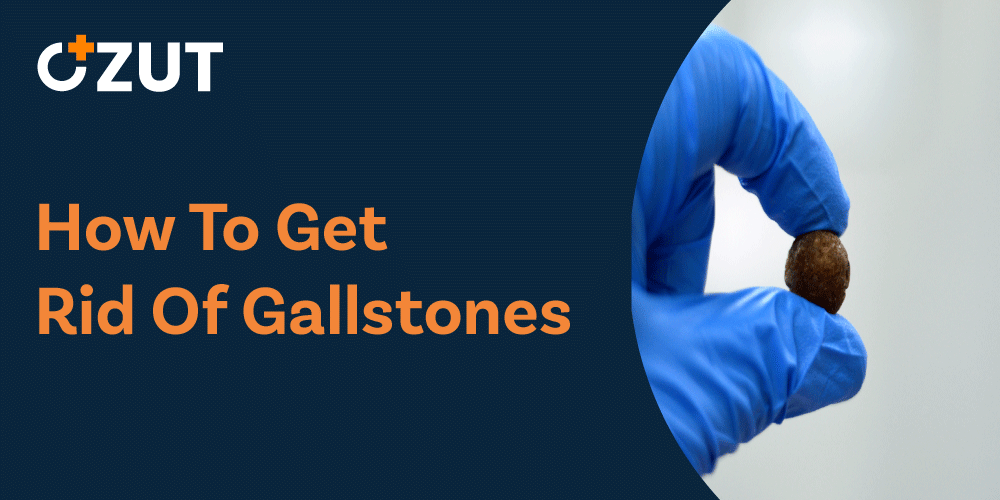
Gallstones are hard, crystallized deposits that form in the gallbladder from substances found in bile, primarily cholesterol. These stones can range in size from tiny grains to larger formations and may cause significant discomfort when they block bile ducts. While many people with gallstones never experience symptoms, others may require medical intervention, including possible gallbladder removal.
What Are Gallstones and How Do They Form?
The gallbladder is a small, pear-shaped organ located in the upper right abdomen, just beneath the liver. Its primary function is to store bile, a green-yellow digestive fluid produced by the liver that helps break down fats during digestion. Gallstones develop when components in the bile crystallize and form solid deposits.
There are two main types of gallstones:
- Cholesterol stones: These yellow-colored stones account for approximately 80% of all gallstones. They form when the bile contains too much cholesterol for the gallbladder to dissolve effectively.
- Pigment stones: These dark brown or black stones develop when the bile contains excessive bilirubin, a chemical produced during the normal breakdown of red blood cells.
Gallstones may also form if the gallbladder fails to empty properly, causing bile to become overly concentrated and creating an environment conducive to stone formation.
Recognizing the Symptoms of Gallstones
Most gallstones are “silent,” meaning they don’t cause noticeable symptoms and are often discovered incidentally during medical examinations for other conditions. However, when gallstones block the bile ducts, they can trigger a range of uncomfortable symptoms.
Common Symptoms When Gallstones Cause Blockages
- Sudden, intense pain in the upper right or center abdomen
- Pain that radiates to the right shoulder blade or back
- Pain that may last from several minutes to a few hours
- Nausea and vomiting
- Fever or chills
- Yellowing of the skin and whites of the eyes (jaundice)
- Clay-colored stools
- Indigestion, bloating, and gas
The pain associated with gallstones, often called a gallbladder attack or biliary colic, typically occurs after eating a heavy or fatty meal and may wake you from sleep. The discomfort usually subsides once the gallstone moves and no longer blocks the duct.
When to Seek Immediate Medical Attention
Certain symptoms require urgent medical care as they may indicate serious complications. Seek immediate medical attention if you experience:
- Severe abdominal pain that prevents you from sitting comfortably
- Jaundice (yellowing of skin and eyes)
- High fever with chills
- Persistent nausea and vomiting
These symptoms could indicate gallbladder complications or other serious conditions such as pancreatitis, appendicitis, or gastroesophageal reflux disease (GERD).
Understanding the Causes and Risk Factors
The exact cause of gallstones isn’t always clear, but several factors contribute to their formation. The primary mechanism involves an imbalance in the substances that make up bile.
Main Causes of Gallstone Formation
- Excess cholesterol in bile that cannot be dissolved
- Too much bilirubin in the gallbladder
- Insufficient bile salts to break down cholesterol
- Incomplete or infrequent emptying of the gallbladder
Risk Factors That Increase Your Chances
Certain demographic and lifestyle factors can increase your risk of developing gallstones:
- Age: Risk increases after age 40
- Biological sex: People assigned female at birth are twice as likely to develop gallstones
- Genetics: Family history of gallstones increases risk
- Ethnicity: Native American and Mexican heritage are associated with higher risk
- Weight factors: Obesity or rapid weight loss
- Diet: High-fat, high-cholesterol, low-fiber diets
- Medical conditions: Diabetes, Crohn’s disease, cirrhosis, and sickle cell anemia
- Pregnancy: Increased estrogen levels during pregnancy
- Medications: Hormone therapy and birth control with high estrogen content
It’s important to note that while some medications may increase your risk of gallstones, you should never stop taking prescribed medications without consulting a healthcare professional.
Diagnosing Gallstones
If gallstones are suspected, a healthcare provider will typically begin with a comprehensive medical history and physical examination. During the physical exam, they may press on your abdomen to check for pain and inflammation.
Several diagnostic tests may be used to confirm the presence of gallstones:
- Ultrasound: The most common and preferred method for detecting gallstones
- CT scan: Provides detailed images of the gallbladder and surrounding tissues
- MRCP (Magnetic Resonance Cholangiopancreatography): Creates detailed images of the bile ducts
- HIDA scan: Evaluates gallbladder function and detects blockages
- Blood tests: Check for signs of infection, inflammation, or bile duct obstruction
Treatment Options for Gallstones
If gallstones aren’t causing symptoms, treatment is usually unnecessary. Many people pass small gallstones without even noticing. However, when gallstones cause pain or complications, intervention becomes necessary.
Surgical Treatments
Surgery is the most common treatment for symptomatic gallstones. The standard procedure is cholecystectomy—removal of the gallbladder. There are two main surgical approaches:
- Laparoscopic cholecystectomy: A minimally invasive procedure using small incisions and a camera. This is the most common approach, with shorter recovery times and less pain.
- Open cholecystectomy: A traditional surgery with a larger incision. This may be necessary if the gallbladder is severely inflamed or infected, or if complications arise during laparoscopic surgery.
After gallbladder removal, bile flows directly from the liver to the small intestine. Most people adapt well to life without a gallbladder, though some may experience temporary digestive changes like diarrhea that typically resolve over time.
Non-Surgical Treatments
For patients who cannot undergo surgery due to other health conditions, alternative treatments may be considered:
- Oral dissolution therapy: Medications that can dissolve cholesterol stones over time
- Extracorporeal shock wave lithotripsy: Using shock waves to break up stones
- Endoscopic retrograde cholangiopancreatography (ERCP): A procedure to remove stones from the bile duct
It’s important to note that non-surgical treatments don’t address the underlying issue with the gallbladder, so stones may recur. Regular monitoring is necessary for patients who choose these options.
Preventing Gallstones
While there’s no guaranteed way to prevent gallstones, certain lifestyle changes may reduce your risk:
Dietary Modifications
- Maintain a balanced diet rich in fruits, vegetables, whole grains, and lean proteins
- Limit foods high in saturated fats such as processed meats, baked goods, cream, and certain cheeses
- Increase fiber intake, which helps lower cholesterol levels
- Stay hydrated to help maintain proper bile consistency
Weight Management
- Maintain a healthy weight through balanced nutrition and regular exercise
- If weight loss is needed, aim for gradual reduction (1-2 pounds per week) rather than rapid weight loss
- Avoid crash diets or fasting, which can increase gallstone formation
Regular Physical Activity
Exercise regularly to help maintain a healthy weight and improve cholesterol levels. Even moderate physical activity, such as brisk walking for 30 minutes most days of the week, can be beneficial.
If you’re unsure where to begin with gallstone prevention, consider consulting a healthcare professional or registered dietitian who can develop a personalized plan based on your specific health needs.
Potential Complications of Gallstones
While many gallstones remain harmless, some can lead to serious complications if left untreated:
- Cholecystitis: Inflammation of the gallbladder
- Cholangitis: Infection of the bile ducts
- Pancreatitis: Inflammation of the pancreas due to gallstone blockage
- Gallstone ileus: Intestinal obstruction caused by a large gallstone
- Gallbladder cancer: A rare but serious potential complication of chronic gallstone disease
Living with Gallstones
The outlook for people with gallstones is generally positive, especially with proper treatment. After gallbladder removal surgery, most patients recover fully and experience no long-term digestive issues. The absence of a gallbladder rarely affects quality of life, as the body adapts to the change in bile flow.
For those who manage gallstones without surgery, regular monitoring is essential. Some may need to make permanent dietary adjustments to minimize symptoms, such as limiting fatty foods that can trigger discomfort.
Common Questions About Gallstones
Can gallstones go away on their own?
Small gallstones may pass through your digestive system without intervention. However, if stones are causing symptoms, they typically require treatment to resolve the issue.
What does passing a gallstone feel like?
Most gallstones pass without noticeable symptoms. However, if a stone blocks a bile duct, you may experience severe abdominal pain that can last for several hours until the stone moves.