Understanding Cesarean Section Scars: Types, Care, and Minimizing Appearance
When a baby is in an awkward position, labor isn’t progressing, or other health concerns arise, healthcare providers may recommend a cesarean delivery. This surgical procedure, commonly known as a C-section, involves delivering a baby through incisions in the abdomen and uterus. While C-sections are generally safe, they do involve surgery, which means some scarring will occur after healing.
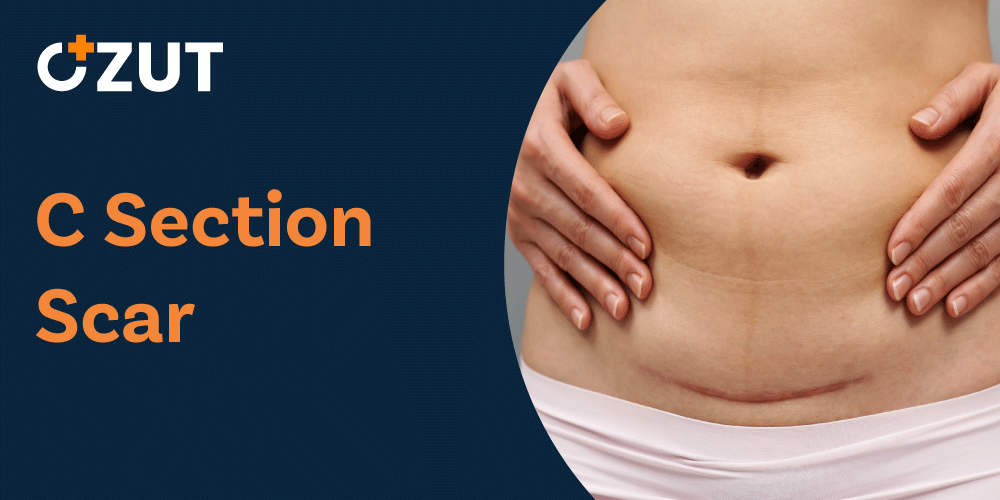
The good news is that most C-section scars are relatively small and positioned below the bikini line. Once healed, many women find they have only a faded line that’s barely noticeable. Understanding the different types of incisions, closure methods, healing support, and scar minimization techniques can help you manage expectations and optimize healing.
Understanding C-Section Incisions
A cesarean section actually involves two separate incisions: an abdominal incision through the skin and a uterine incision to access the baby. Both incisions typically measure about 4 to 6 inches—just large enough for the baby’s head and body to pass through safely.
Abdominal Incision Types
For the abdominal incision, surgeons generally use one of two approaches:
- Horizontal (Bikini) Cut : This side-to-side incision is made across the lower abdomen, just above the pubic line. It’s the most common type and is often preferred because it tends to be less painful and less visible after healing.
- Vertical (Classic) Cut : This incision runs from near the navel down to the pubic line. While it typically results in a more noticeable scar and can be more painful, it’s often necessary during emergency C-sections because it allows faster access to the baby.
Uterine Incision Types
The uterine incision generally corresponds to the abdominal incision type:
- Low Transverse Incision : This horizontal cut across the lower part of the uterus is most common and typically paired with a bikini cut on the abdomen.
- Classic Uterine Incision : This vertical cut in the upper part of the uterus is less common but may be necessary in certain situations.
- Low Vertical Incision : This incision may be used if the baby is in an awkward position, even with a classic abdominal incision.
Closure Methods for C-Section Incisions
After the delivery, both incisions must be closed carefully to promote proper healing and minimize scarring.
Uterine Closure
The uterine incision is closed using dissolvable stitches. These stitches are made from materials that the body can gradually break down, eliminating the need for removal as the incision heals.
Abdominal Closure Options
For closing the abdominal incision, healthcare providers may use several different methods:
- Surgical Staples : Some surgeons prefer staples because they can be applied quickly and simply. These are typically removed about a week after surgery during a follow-up appointment.
- Non-Dissolvable Stitches : Using a surgical needle and thread, the surgeon can close the incision with precision. While this method takes longer (up to 30 minutes), some providers prefer it for cosmetic reasons. Like staples, these stitches are usually removed after about a week.
- Surgical Glue : This adhesive is applied over the incision to create a protective covering. The glue gradually peels off as the wound heals, requiring no removal.
If you have a preference for a particular closure method, it’s best to discuss this with your healthcare provider before the procedure.
Proper Care for Your C-Section Incision
While a C-section is a common and safe procedure, it remains major surgery. Proper care of your incision is essential to prevent complications like infection and to promote optimal healing.
Daily Care Routine
- Clean the incision daily : During showers, allow water and mild soap to run over the incision site, or gently clean it with a soft cloth. Avoid scrubbing the area. After washing, pat the area dry with a clean towel.
- Choose loose-fitting clothing : Tight clothes can irritate your incision and delay healing. Opt for loose pajamas, baggy shirts, or jogging pants that won’t put pressure on the surgical site. Loose clothing also allows air circulation, which can help speed healing.
- Apply heat therapy : Using a heating pad on your abdomen in 15-minute intervals can help reduce pain and soreness. Always use a barrier between the heating pad and your skin to prevent burns.
Activity Restrictions
- Avoid exercise : While you may be eager to resume physical activity, wait until your healthcare provider gives you clearance. Premature exercise can cause the incision to reopen or delay healing.
- Be careful when bending or lifting : As a general guideline, avoid lifting anything heavier than your baby. When you need to pick something up, bend at the knees rather than the waist.
Pain Management
- Take recommended pain relievers : Over-the-counter medications like ibuprofen or acetaminophen can help manage post-surgical pain. Your provider may also prescribe stronger pain relievers if needed.
- Attend all follow-up appointments : Regular check-ups allow your healthcare provider to monitor your healing progress and detect any potential complications early.
Recognizing Complications
While caring for your incision, it’s important to watch for signs of infection or other complications that may require medical attention.
Signs of Infection
Contact your healthcare provider immediately if you notice any of these symptoms:
- Fever over 100.4°F (38°C)
- Drainage or pus coming from the incision
- Increased pain, redness, or swelling at the incision site
- Foul odor from the incision area
Infections may require treatment with oral or intravenous antibiotics, depending on severity.
Other Potential Complications
- Nerve damage : Some numbness around the incision site is normal and typically improves within a few weeks. However, persistent numbness or shooting pain in your pelvis or legs could indicate nerve injury. Treatment options may include corticosteroid injections, physical therapy, or in some cases, surgical repair.
- Abnormal scarring : Some women develop thick, raised scars at the incision site, known as hypertrophic scars or keloids. While generally harmless, these can be cosmetically concerning.
Minimizing the Appearance of C-Section Scars
Healing varies from person to person, and while some scars fade significantly over time, others remain more visible. If you’re concerned about the appearance of your scar, several options can help minimize its visibility.
At-Home Treatments
- Silicone products : Silicone sheets or gel applied directly to the healed incision can help restore skin and strengthen connective tissue. Research suggests these products can soften and flatten scars while reducing associated pain.
- Scar massage : Once your incision has completely healed, gentle massage can stimulate blood flow and cellular growth, potentially reducing scar appearance. Using your index and middle fingers, massage the scar in a circular motion for 5-10 minutes daily. Consider applying vitamin E or silicone gel before massaging.
Professional Treatments
For more significant scarring, several medical interventions may help:
- Laser therapy : This treatment uses focused light beams to improve damaged skin. It can soften scars and remove raised tissue, though multiple sessions may be needed for optimal results.
- Steroid injections : These can reduce inflammation and flatten larger scars. Monthly injections may be recommended until desired results are achieved.
- Scar revision surgery : For very noticeable scars, a surgical procedure can remove damaged skin and re-close the area, creating a less visible scar that better blends with surrounding skin.
Long-Term Outlook and Expectations
Most C-section scars continue to fade and improve in appearance for up to a year after surgery. During this time, the scar typically progresses from red or purple to a lighter, less noticeable line. The final appearance depends on various factors including your skin type, genetics, and how well you care for the incision during healing.
Factors Affecting Scar Healing
- Skin type : People with darker skin tones may be more prone to keloid formation.
- Age : Younger skin often heals with more noticeable scarring than older skin.
- Genetics : Your genetic makeup influences how your skin heals and forms scars.
- Nutrition : Proper nutrition supports optimal healing and may influence scar formation.
- Sun exposure : Protecting your scar from sun exposure can prevent darkening and promote better healing.
Embracing Your C-Section Scar
While minimizing the appearance of your scar is a valid concern, many women come to view their C-section scars as badges of honor—physical reminders of the journey to motherhood. These marks tell a story of bringing life into the world, sometimes against challenging circumstances.
If you find yourself struggling with the appearance of your scar, remember that it represents strength and resilience. Many support groups exist for women who have undergone C-sections, providing spaces to share experiences and coping strategies.
Conclusion
A cesarean section may be necessary when vaginal delivery isn’t possible or safe. While this surgical procedure does result in scarring, proper care and treatment options can help minimize the appearance of scars over time. By understanding the types of incisions, closure methods, and healing processes, you can take an active role in your recovery.
Remember that healing takes time, and the appearance of your scar will likely improve significantly during the first year after surgery. Whether your scar fades to a thin line or remains more visible, it represents an important chapter in your life’s journey—the birth of your child.
Always follow your healthcare provider’s specific instructions for incision care, attend all follow-up appointments, and don’t hesitate to discuss concerns about scarring with your medical team. With proper care and patience, most women find that their C-section scars become a minor footnote in the beautiful story of their child’s birth.