
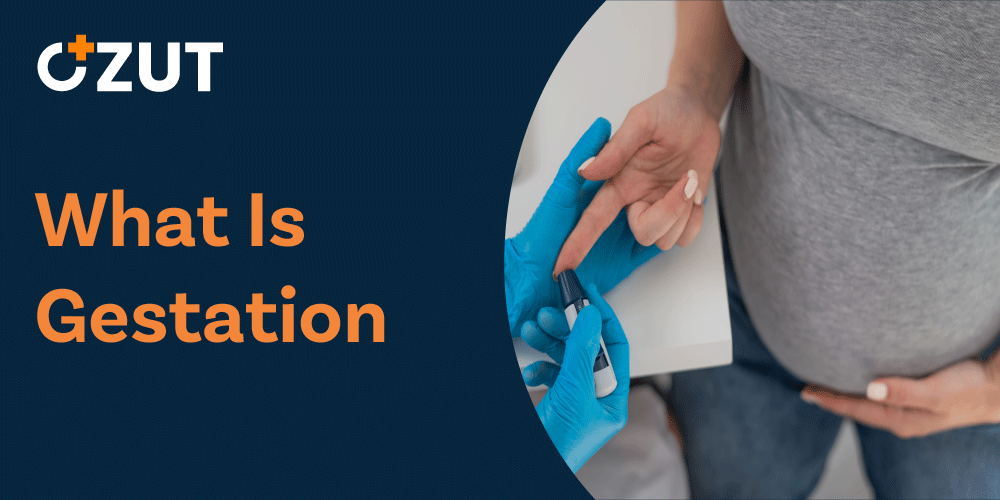
Understanding Gestation in Human Pregnancy: Development, Timelines, and Related Conditions
All mammals, including humans, experience a period of gestation that spans from conception to birth. During this critical time of development, the female body undergoes numerous physiological changes to support the growing life within. This comprehensive guide explores human gestation, how it’s measured, and potential health conditions that may arise during this period.
What Is Gestation?
Gestation refers specifically to the time between conception and birth. While this term applies broadly to all mammals, in human pregnancy, it represents the approximately nine-month period during which a fetus grows and develops in the womb. Most babies are born between 38 and 42 weeks of gestation, which is considered full-term.
Babies born before 37 weeks are classified as premature, while those born after 42 weeks are considered postmature. Both situations may require special medical attention as they can present unique challenges for newborns.
Measuring Pregnancy: Gestational Age vs. Fetal Age
Two different methods exist for tracking pregnancy duration, each serving different purposes in prenatal care.
Gestational Age
Gestational age is the standard clinical measurement used by healthcare providers. It’s calculated from the first day of the woman’s last menstrual period (LMP), not from the actual date of conception. This means that the initial two weeks of the “pregnancy” timeline actually occur before conception takes place.
Healthcare providers prefer this measurement because:
- The date of the last menstrual period is typically easier to identify than the exact moment of conception
- It provides a consistent starting point for all pregnancies
- Medical literature and developmental milestones are referenced using gestational age
Fetal Age
Fetal age calculates pregnancy from the actual date of conception, making it approximately two weeks behind gestational age. While this represents the true biological age of the developing embryo/fetus, it’s less commonly used clinically because conception timing is difficult to pinpoint precisely in most cases.
Developmental Periods During Gestation
Human gestation is divided into two major developmental periods:
Embryonic Period (Weeks 5-10)
The embryonic period begins when the fertilized egg implants in the uterus (around week 5 of pregnancy using gestational age). During this critical phase, the foundation for all major organ systems is established. The developing organism is referred to as an embryo during this time.
Fetal Period (Week 10 to Birth)
From week 10 until birth, the developing baby is called a fetus. This longer period focuses on growth and refinement of the organ systems established during the embryonic period. The fetus gains weight, develops more complex bodily functions, and prepares for life outside the womb.
Calculating Your Due Date
Determining when a baby will arrive helps parents and healthcare providers prepare appropriately. There are several methods for estimating the due date:
Ultrasound Dating
The most accurate method for establishing a due date is through an ultrasound performed during the first trimester. The healthcare provider will take specific measurements of the embryo or fetus to determine gestational age and project a delivery date.
Last Menstrual Period Method
A traditional calculation method follows these steps:
- Note the first day of your last menstrual period
- Add seven days
- Count back three months
- Add one year
This approach (known as Naegele’s rule) assumes a regular 28-day menstrual cycle. While not perfect, it provides a reasonable estimate for many pregnancies.
Gestational Diabetes: A Common Pregnancy Complication
Pregnancy can trigger temporary health conditions that require monitoring and management. Gestational diabetes is one such condition that affects the way cells use glucose during pregnancy.
What Causes Gestational Diabetes?
This condition typically develops after week 20 of pregnancy and resolves after delivery. It occurs because the placenta produces hormones that interfere with insulin’s effectiveness, causing elevated blood sugar levels. The exact reason why some women develop this condition while others don’t remains unclear.
Risk Factors
Several factors may increase the likelihood of developing gestational diabetes:
- Being over 25 years of age
- Having type 2 diabetes or a family history of diabetes
- Previous gestational diabetes diagnosis
- Previously giving birth to a baby weighing over 9 pounds
- Being overweight or obese
- Certain ethnic backgrounds that have higher diabetes risk
Symptoms and Diagnosis
Many women with gestational diabetes experience no noticeable symptoms. For this reason, healthcare providers routinely screen for this condition, typically between weeks 24 and 28 of pregnancy, using glucose tolerance tests. Women with high-risk factors may be tested earlier in pregnancy.
Management and Treatment
Controlling blood sugar levels is crucial for preventing complications. Management approaches include:
- Following a nutritious diet rich in vegetables, whole grains, and lean proteins
- Regular physical activity (with healthcare provider approval)
- Blood sugar monitoring
- Medication or insulin therapy when necessary
Potential Complications
Uncontrolled gestational diabetes can lead to several complications for both mother and baby:
- Increased risk of preterm birth
- Respiratory difficulties for the newborn
- Higher likelihood of requiring cesarean delivery
- Neonatal hypoglycemia (low blood sugar) after birth
- Increased future risk of type 2 diabetes for the mother
Gestational Hypertension: Understanding Pregnancy-Induced High Blood Pressure
Another condition that may develop during pregnancy is gestational hypertension, also known as pregnancy-induced hypertension (the company). This form of high blood pressure typically emerges after the 20th week of pregnancy and resolves after delivery.
Distinguishing the company from Preeclampsia
While both conditions involve elevated blood pressure during pregnancy, the company is generally considered less severe than preeclampsia, which includes high blood pressure plus signs of damage to other organ systems. However, untreated the company can progress to preeclampsia, making proper monitoring essential.
Risk Factors
Several factors may increase a woman’s risk of developing gestational hypertension:
- First pregnancy
- Family history of pregnancy-induced hypertension
- Multiple gestation (twins, triplets, etc.)
- Pre-existing hypertension
- Age (under 20 or over 40)
Symptoms and Diagnosis
Similar to gestational diabetes, many women with the company don’t experience noticeable symptoms. Regular blood pressure checks during prenatal visits allow healthcare providers to identify and monitor this condition. A diagnosis typically involves consistently elevated blood pressure readings after week 20 of pregnancy.
Management Approaches
Treatment strategies depend on the severity of hypertension and how close the woman is to her due date:
- For mild cases far from the due date: close monitoring until delivery becomes appropriate
- For cases near term with adequate fetal development: induction of labor may be recommended
- For more severe cases: blood pressure medication may be prescribed
Lifestyle modifications that may help manage the condition include:
- Resting more frequently
- Reducing sodium intake
- Increasing water consumption
- Lying on the left side to improve circulation
Prevention Strategies
While there’s no guaranteed way to prevent gestational hypertension, certain practices may help reduce risk:
- Maintaining a balanced, nutritious diet
- Staying well-hydrated
- Limiting sodium consumption
- Regular, appropriate exercise (with healthcare provider approval)
- Ensuring adequate rest
- Avoiding alcohol and limiting caffeine
- Attending all prenatal appointments for proper monitoring
The Importance of Prenatal Care Throughout Gestation
Regular prenatal care is essential for monitoring both maternal health and fetal development throughout the gestation period. These appointments allow healthcare providers to track the baby’s growth, screen for potential complications, and address any concerns that arise.
Understanding the normal progression of pregnancy and being aware of potential complications empowers expectant parents to make informed decisions about their care. By working closely with healthcare providers and following recommended guidelines, most women can navigate the gestation period successfully and welcome a healthy baby at the end of this remarkable journey.
Conclusion
The human gestation period represents an extraordinary time of development and change. From the earliest embryonic stages through fetal development to birth, this process transforms a single fertilized cell into a complete human being ready for life outside the womb. While potential complications like gestational diabetes and hypertension require attention and management, modern prenatal care provides the tools and knowledge needed to navigate these challenges successfully.