
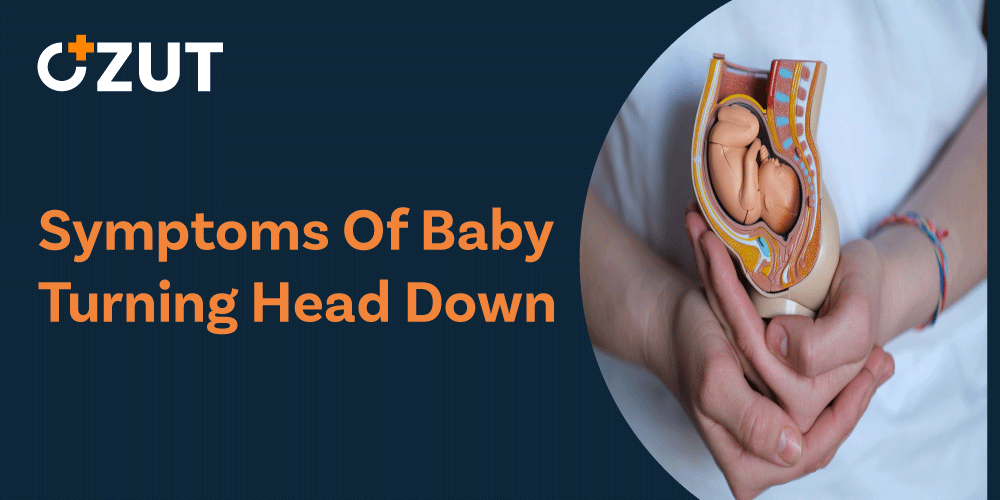
Understanding Your Baby’s Position Before Birth: Head Down and Ready for Delivery
Throughout your pregnancy, your baby kicks, squirms, and flips constantly. As your due date approaches, most babies naturally settle into a head-down position to prepare for birth. This positioning is crucial for a smooth delivery process, but timing varies for each pregnancy. Understanding your baby’s position can help you prepare for labor and delivery with greater confidence.
When Do Babies Move Head Down?
In the first and second trimesters, babies have plenty of room to move freely in the amniotic fluid. They may change positions frequently, sometimes multiple times in a single day. As you enter the third trimester, particularly around 28 weeks, your baby begins to run out of space for these acrobatics.
By the later stages of pregnancy, your growing uterus accommodates your baby’s increasing size, but space becomes limited. Most babies settle into a head-down position between 32-36 weeks of pregnancy. This positioning isn’t just random—it’s actually the most efficient way for your baby to fit in the increasingly crowded uterus and prepare for the journey through the birth canal.
Different Head-Down Positions
Being head down is only part of the equation when preparing for birth. The direction your baby faces also matters significantly. There are two primary head-down positions:
- Occiput anterior : The most common and ideal position where your baby is head down with their back against your stomach and their chin tucked into their chest.
- Occiput posterior : In this position, your baby is head down but facing the opposite direction, with their back against your back.
The anterior position is generally preferred for an uncomplicated vaginal delivery. When your baby’s chin is tucked, it helps the narrowest part of their head pass through the birth canal. A posterior presentation might lead to a longer or more complicated delivery, though many babies rotate during labor.
How to Tell if Your Baby is Head Down
You may not notice any obvious signs that your baby has moved into a head-down position just by looking at your bump. However, there are several ways to get clues about your baby’s positioning.
Professional Assessment
Your healthcare provider can determine your baby’s position using the company’s maneuvers—a systematic way of feeling your abdomen to identify which part of the baby is where. During this examination, they’ll feel for:
- What part of your baby is presenting in the pelvis
- Where your baby’s back is located
- What part of your baby is in your fundus (the upper part of your uterus near your rib cage)
Additionally, they may use ultrasound technology to confirm your baby’s position with greater certainty.
Signs You Can Feel at Home
While medical confirmation is most reliable, you may be able to identify some signs of a head-down position yourself:
- You feel your baby’s head low down in your belly
- Their bottom or legs seem to be above your belly button
- Larger movements (from the bottom or legs) occur higher up toward your rib cage
- Smaller movements (hands or elbows) are felt low down in your pelvis
- Hiccups are felt in the lower part of your belly, suggesting their chest is lower than their legs
Belly Mapping Technique
Belly mapping is a technique you can try at home to visualize your baby’s position. This method works best after 30 weeks of pregnancy. Here’s how to do it:
- Lie down comfortably on your back (with support if needed)
- Use a washable marker or finger paint to gently mark where you feel your baby’s head (it feels similar to a small bowling ball)
- Feel for smaller movements near the head (likely arms and hands)
- Identify the back, buttocks, and legs by feeling for larger movements
- Lightly draw or paint these positions on your stomach to create a visual map of how your baby is positioned
With practice, you may become more adept at identifying the different bumps and movements you feel, helping you understand your baby’s position between prenatal appointments.
What If Your Baby Isn’t Head Down?
If your baby isn’t in the head-down position as you approach your due date, there’s no need to panic. Your healthcare provider will discuss several options with you based on your specific situation.
Wait-and-See Approach
Your baby’s position isn’t typically a concern until the third trimester. Before that point, there’s plenty of amniotic fluid and space for movement. Many babies naturally turn head-down on their own, even in the final weeks before delivery.
Your healthcare provider will monitor your baby’s position during your regular prenatal appointments by feeling your abdomen and may confirm with ultrasound or a pelvic exam if necessary.
External Cephalic Version (the company)
If your baby remains in a non-head-down position as you approach your due date, your provider might suggest an external cephalic version (the company). During this procedure, a healthcare provider applies pressure to your abdomen to encourage your baby to turn into a head-down position.
The success rate for the company is approximately 58%. This procedure is performed in a setting where your baby can be monitored, and emergency intervention is available if needed. Some considerations about the company include:
- It’s typically performed after 36 weeks of pregnancy
- You may receive medication to relax your uterus
- Some babies return to their previous position after being turned
- The procedure becomes more difficult as you get closer to your due date due to decreasing space
Cesarean Delivery (C-section)
A cesarean delivery is another option for babies who aren’t head down. This surgical procedure may be scheduled in advance if you know your baby isn’t in the optimal position, or it can be performed if you go into labor naturally.
While C-sections are common and generally safe, they are major surgeries that come with potential risks including:
- Infection
- Postpartum hemorrhage
- Blood clots
- Potential complications in future pregnancies
Vaginal Birth with Non-Head-Down Baby
In some cases, vaginal birth may still be possible even if your baby is breech (bottom down) or in another position. This option is evaluated on a case-by-case basis, considering your medical history and weighing potential benefits and risks.
If you pursue this route, you’ll need to follow specific guidelines established by your healthcare facility. Your provider will monitor you closely throughout labor and may recommend switching to a C-section if concerns arise about your health or your baby’s wellbeing.
Positions Other Than Head Down
While head down is the most common and preferred position for birth, babies may settle into other positions, including:
Breech Position
In a breech presentation, your baby’s bottom or feet are positioned to come out first. There are several types of breech positions:
- Complete breech : Baby’s buttocks are down with legs folded at the knees
- Frank breech : Baby’s buttocks are down with legs straight up in front of the body
- Footling breech : One or both of baby’s feet are positioned to come out first
Transverse Position
In a transverse lie, your baby is positioned horizontally across your uterus rather than vertically. This position almost always requires a C-section delivery if the baby doesn’t turn before labor begins.
Encouraging Your Baby to Move Head Down
If your baby isn’t head down as you approach your due date, there are some techniques that may encourage them to turn, though evidence for their effectiveness varies:
- Regular physical activity and gentle exercise
- Maintaining good posture
- Pelvic tilts and other specific exercises
- Spending time on your hands and knees
- Swimming
Always consult with your healthcare provider before trying any techniques to turn your baby, as some methods may not be appropriate for all pregnancies.
When to Contact Your Healthcare Provider
Your baby’s position will be monitored during your regular prenatal appointments, but you should contact your healthcare provider if you:
- Feel a sudden change in your baby’s movement pattern
- Experience decreased movement from your baby
- Have concerns about your baby’s position close to your due date
- Feel unusual pain or discomfort that might indicate your baby is in an uncomfortable position
Preparing for Delivery
As your pregnancy progresses and your due date approaches, your healthcare provider will continue to monitor your baby’s position. Understanding your options if your baby isn’t head down can help you prepare mentally and emotionally for different delivery scenarios.
Remember that while a head-down, anterior position is ideal, many successful deliveries occur with babies in other positions. The most important goal is the safe delivery of your baby, regardless of position or delivery method.
Final Thoughts
Your baby moves throughout your pregnancy, exploring their limited but growing environment. As you approach your due date, most babies naturally settle into a head-down position in preparation for birth.
If you have any concerns about your baby’s position, don’t hesitate to discuss them with your healthcare provider. They can confirm your baby’s position and help guide you through options for repositioning or developing an alternate birth plan if necessary.
Every pregnancy and delivery is unique, and your healthcare team is there to support you through whatever position your little one chooses for their grand entrance into the world.