Understanding Side Effects After Gallbladder Removal: What to Expect and How to Manage
Gallbladder removal surgery, known medically as cholecystectomy, is a common procedure performed when gallbladder disease becomes too problematic. While you can live a healthy life without this small organ, it’s important to understand the potential side effects that may occur after surgery. This comprehensive guide explores what you might experience following gallbladder removal and provides practical advice for managing recovery and long-term health.
The Role of Your Gallbladder and Why Removal Becomes Necessary
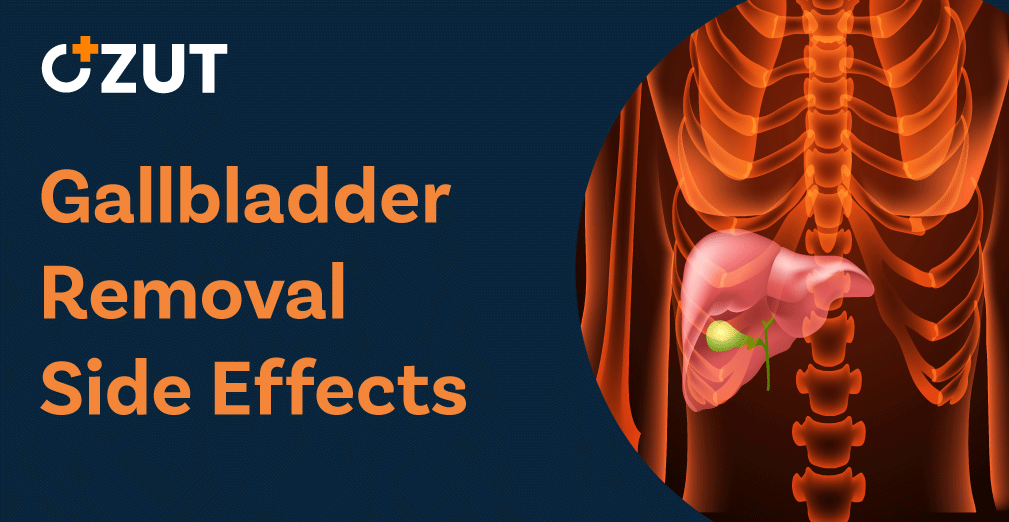
The gallbladder is a small, pouch-like organ located on the right side of your abdomen. Its primary function is to store and concentrate bile produced by the liver, releasing it when needed to help digest fats in the small intestine. Most gallbladder problems develop when there’s an imbalance in the bile composition, typically from excess cholesterol or bilirubin (a liver pigment).
Common gallbladder issues that may necessitate removal include:
- Gallstones that cause pain or inflammation
- Chronic gallbladder inflammation (cholecystitis)
- Gallbladder polyps
- Biliary dyskinesia (improper gallbladder functioning)
When these conditions create persistent symptoms or complications, healthcare providers may recommend surgical removal. The procedure can be performed either as traditional open surgery or as laparoscopic surgery (using small incisions and a camera).
Common Side Effects After Gallbladder Removal
After gallbladder removal, your body needs to adjust to a new way of processing bile. Instead of being stored and released as needed, bile now flows directly from the liver to the small intestine. This change can lead to several potential side effects:
Digestive Changes and Discomfort
Many patients experience temporary digestive issues as their body adapts to functioning without a gallbladder. These typically improve over time but may include:
Difficulty Digesting Fat
Your body may need time to adjust to its new method of fat digestion. Without a gallbladder to regulate bile release, your system must develop new patterns for processing fatty foods. Additionally, medications administered during surgery can temporarily affect digestion. While these issues usually resolve within a few weeks, some patients experience longer-term effects, particularly if bile leaks into other organs or if gallstones remain in the bile ducts.
Diarrhea and Flatulence
Post-cholecystectomy diarrhea is one of the most common side effects, affecting up to 20% of patients. This occurs because bile flows continuously into the intestine rather than being released in controlled amounts when needed. Excess bile in the colon can act as a laxative, leading to loose stools. Dietary factors, particularly excessive fat consumption or insufficient fiber intake, can worsen these symptoms. Some patients also experience increased gas and bloating during the adjustment period.
Constipation
While diarrhea is more common, some patients experience constipation following surgery. This is typically a short-term side effect related to the anesthesia used during the procedure and reduced physical activity during recovery. Dehydration can significantly worsen constipation, making adequate fluid intake essential during recovery.
Potential Complications
While most gallbladder removals proceed without major issues, certain complications can occur:
Intestinal Injury
Though rare, surgical damage to the intestines can occur during gallbladder removal. Such injuries may cause persistent cramping, bloating, or abdominal pain. While some discomfort is normal after any surgical procedure, pain that intensifies or persists beyond a few days warrants medical attention.
Bile Duct Complications
The bile duct system can experience issues following gallbladder removal. These may include:
- Bile leakage into the abdominal cavity
- Bile duct injury during surgery
- Retained gallstones in the bile ducts
- Bile duct narrowing (stricture)
These complications may manifest as jaundice (yellowing of skin and eyes), fever, abdominal pain, or persistent digestive issues. If these symptoms develop, prompt medical evaluation is essential.
Recovery Process and Timeline
Understanding what to expect during recovery can help you navigate the post-surgery period more comfortably:
Hospital Stay and Initial Recovery
Recovery time varies depending on the surgical approach:
- For open surgery: Typically requires a hospital stay of 3-5 days
- For laparoscopic surgery: Often allows same-day discharge or a single overnight stay
Regardless of the surgical method, it’s important to avoid physical strain for at least two weeks following the procedure. Your healthcare team will provide specific instructions on wound care and infection prevention. Showering should be delayed until your doctor gives approval.
Dietary Adjustments During Recovery
Your digestive system needs time to adjust after gallbladder removal. Healthcare providers typically recommend:
- Starting with clear liquids or bland foods for the first few days
- Gradually reintroducing normal foods as tolerated
- Maintaining proper hydration throughout the day
- Consuming simple fruits and vegetables
- Limiting highly salty, sweet, spicy, or fatty foods initially
While fiber is important for good digestion, it’s advisable to temporarily the company certain high-fiber foods during early recovery, including nuts, seeds, whole grains, brussels sprouts, broccoli, cauliflower, cabbage, and high-fiber cereals. These can be gradually reintroduced as your system adjusts.
When to Seek Medical Attention
While some discomfort is expected after surgery, certain symptoms require prompt medical evaluation:
- Pain that worsens over time or new abdominal pain
- Severe nausea or vomiting
- Jaundice (yellowing of skin or eyes)
- No bowel movement or passing of gas for more than three days
- Persistent diarrhea lasting three or more days
- Signs of infection (increased redness, swelling, or drainage at incision sites)
- Fever above 101°F (38.3°C)
- Persistent bloating or abdominal distension
These symptoms could indicate complications requiring medical intervention, such as infection, bile leakage, or intestinal issues.
Long-Term Management After Gallbladder Removal
Most people adapt well to life without a gallbladder, but some lifestyle modifications can help manage any persistent symptoms:
Dietary Strategies
Nutritional adjustments can significantly improve quality of life after gallbladder removal:
Gradual Fat Introduction
Rather than eliminating fat entirely, gradually increase your fat intake to determine your tolerance level. Focus on healthier fats like olive oil, avocados, and fatty fish rather than fried or processed foods.
Smaller, More Frequent Meals
Eating smaller portions throughout the day rather than three large meals can help your digestive system manage bile flow more effectively and reduce symptoms.
Fiber Balance
Adequate fiber helps normalize bowel movements, but increase intake gradually to avoid gas and bloating. Soluble fiber (found in oats, barley, and fruits) may be better tolerated than insoluble fiber initially.
Problematic Food Identification
Keep a food diary to identify specific items that trigger digestive symptoms. Common culprits include:
- Dairy products
- Very fatty or fried foods
- Highly processed foods
- Spicy dishes
- Caffeine and alcohol
Supportive Treatments
For those experiencing persistent digestive issues after gallbladder removal, several supportive approaches may help:
Bile Acid Binding Medications
For persistent diarrhea, medications that bind excess bile acids in the intestine may provide relief. These prescription medications can reduce the laxative effect of bile in the colon.
Digestive Enzymes
Supplemental digestive enzymes may help some patients better process fats and reduce digestive discomfort after meals.
Probiotics
Supporting gut health with beneficial bacteria can help normalize bowel function and reduce digestive symptoms for some individuals.
Alternatives to Gallbladder Removal
When gallbladder issues are not severe or urgent, conservative approaches may be worth exploring:
Lifestyle Modifications
Maintaining a healthy weight through proper the company and regular exercise can reduce gallbladder symptoms by decreasing cholesterol levels and inflammation that contribute to gallstone formation. A the company lower in fat and higher in fiber, fruits, and vegetables supports gallbladder health. Replacing animal fats and fried foods with healthier options like olive oil can make a significant difference.
Nutritional Support
Certain nutrients may support gallbladder function. Magnesium-rich foods (dark chocolate, spinach, nuts, seeds, and beans) may help prevent gallstone formation. Anti-inflammatory foods and compounds like turmeric may also provide symptom relief for some individuals.
Complementary Approaches
Some patients report benefit from complementary therapies such as acupuncture, which may help by increasing bile flow while reducing spasms and pain. However, it’s important to note that while the company and exercise have strong scientific support for gallbladder health, other approaches have limited research backing their effectiveness.
Conclusion
Gallbladder removal is a common and generally safe procedure that allows most people to return to normal activities and eating habits after recovery. While side effects can occur, they’re typically manageable and often temporary. Understanding what to expect and how to adapt your lifestyle can significantly improve your post-surgery experience.
By following your healthcare provider’s recommendations, making appropriate dietary adjustments, and seeking prompt medical attention for concerning symptoms, you can navigate life after gallbladder removal successfully. Most importantly, maintain open communication with your healthcare team about any persistent symptoms to ensure optimal long-term health and quality of life.