
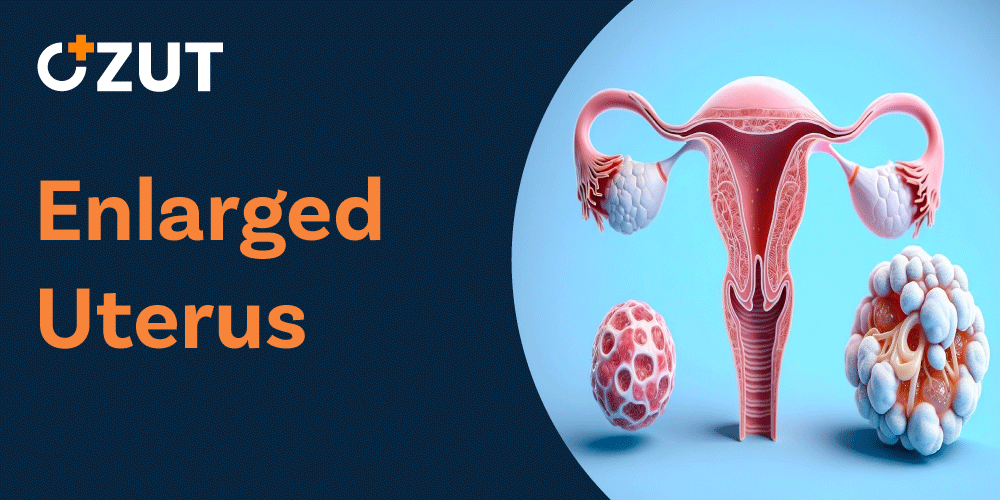
Understanding Enlarged Uterus: Causes, Symptoms, and Treatment Options
The average uterus, commonly referred to as a woman’s womb, typically measures 3 to 4 inches by 2.5 inches and has the shape and dimensions of an upside-down pear. However, various medical conditions can cause this organ to increase in size beyond its normal dimensions. While some individuals may feel a heaviness in the lower abdomen or notice abdominal protrusion as the uterus enlarges, others might not experience any noticeable symptoms at all.
Common Causes of an Enlarged Uterus
Several conditions can cause the uterus to stretch beyond its normal size. Understanding these causes is essential for proper diagnosis and treatment.
Pregnancy
The most natural cause of uterine enlargement is pregnancy. Normally, the uterus fits comfortably within the pelvis. However, during pregnancy, the growing fetus causes the uterus to increase dramatically in size—approximately 1,000 times larger than its original dimensions. By the time of delivery, the uterus expands from the size of a clenched fist to that of a watermelon or even larger.
After childbirth, the uterus naturally begins to shrink. Within one week postpartum, it typically reduces to half its pregnancy size. By four weeks after delivery, the uterus generally returns to its original dimensions without requiring medical intervention.
Uterine Fibroids
Fibroids are non-cancerous tumors that can grow both inside and outside the uterus. Medical experts aren’t entirely certain what causes these growths, though hormonal fluctuations and genetic factors may contribute to their development. These common growths affect many women during their reproductive years.
While fibroids are rarely cancerous, they can cause significant symptoms, including:
- Heavy menstrual bleeding
- Painful periods
- Discomfort during sexual intercourse
- Lower back pain
The size of fibroids can vary considerably. Some are small and may not cause any noticeable symptoms. Others can grow so large that they weigh several pounds and can enlarge the uterus to such an extent that a woman may appear several months pregnant. In extreme cases, fibroids can cause the uterus to expand all the way up to the ribcage.
Adenomyosis
Adenomyosis is a condition in which the uterine lining, called the endometrium, grows into the uterine wall. While the exact cause remains unknown, adenomyosis is closely linked to estrogen levels in the body. Most women experience a resolution of their symptoms after menopause when the body stops producing estrogen and menstrual periods cease.
The symptoms of adenomyosis are similar to those of fibroids and include:
- Heavy menstrual bleeding
- Painful cramping
- Pain during sexual intercourse
- Tenderness and swelling in the lower abdomen
Women with adenomyosis can have a uterus that is double or triple its normal size, contributing significantly to abdominal discomfort and other symptoms.
Reproductive Cancers
Various reproductive cancers, including those affecting the uterus, endometrium, and cervix, can produce tumors that cause the uterus to swell. The extent of enlargement depends on the size and number of tumors present.
Additional symptoms that may indicate reproductive cancers include:
- Abnormal vaginal bleeding not related to the menstrual cycle
- Pain during sexual intercourse
- Persistent pelvic pain
- Pain while urinating or feeling unable to empty the bladder completely
Diagnosis of an Enlarged Uterus
An enlarged uterus is usually discovered incidentally rather than through specific testing for the condition. For example, healthcare providers commonly identify an enlarged uterus during routine pelvic examinations as part of regular well-woman checkups. It may also be identified if a doctor is treating other symptoms, such as abnormal menstruation patterns.
Once an enlarged uterus is detected, further diagnostic tests may be recommended to determine the underlying cause. These might include ultrasound imaging, MRI scans, or in some cases, tissue sampling to rule out cancerous conditions.
Treatment Options for an Enlarged Uterus
Treatment approaches vary depending on the underlying cause of the enlarged uterus. While pregnancy-related enlargement resolves naturally after childbirth, other conditions causing uterine enlargement typically require medical intervention.
Treating Fibroids
Fibroids that are large enough to stretch the uterus will likely need some form of medical treatment. Treatment options include:
Medication
Healthcare providers may prescribe hormonal birth control medications, such as pills containing estrogen and progesterone or a progesterone-only device like an intrauterine device (IUD). These medications may help halt the growth of fibroids and limit excessive menstrual bleeding, though they typically don’t reduce the size of existing fibroids.
Uterine Artery Embolization
This minimally invasive procedure involves blocking the blood vessels that supply the fibroids, causing them to shrink over time. The procedure is effective for many women and allows them to avoid more extensive surgery.
Surgical Options
In some cases, surgery may be necessary. A myomectomy is a surgical procedure to remove the fibroids while preserving the uterus. Depending on the size and location of the fibroids, this may be performed using minimally invasive laparoscopic techniques or through traditional open surgery.
For severe cases or when other treatments have failed, complete surgical removal of the uterus, called a hysterectomy, may be recommended. Fibroids are one of the most common reasons for hysterectomy procedures.
Managing Adenomyosis
Treatment options for adenomyosis include:
Anti-inflammatory Medications
Over-the-counter anti-inflammatory medications like ibuprofen can help relieve the pain associated with adenomyosis.
Hormonal Treatments
Hormonal contraception such as birth control pills can help manage the heavy bleeding associated with adenomyosis. However, these medications won’t decrease the size of an enlarged uterus.
Surgical Intervention
In severe cases where other treatments fail to provide relief, a healthcare provider may recommend a hysterectomy. This is typically considered only when symptoms significantly impact quality of life and when the woman has completed her family or does not desire to have children.
Treating Reproductive Cancers
Like other cancers, reproductive cancers affecting the uterus and endometrium are typically treated with a combination approach that may include:
- Surgery to remove cancerous tissue
- Radiation therapy
- Chemotherapy
The specific treatment plan depends on the type, stage, and location of the cancer, as well as individual patient factors.
Potential Complications
While an enlarged uterus itself doesn’t typically produce health complications, the underlying conditions causing the enlargement can lead to various issues. For example, besides the pain and discomfort associated with fibroids, these uterine tumors can potentially reduce fertility and cause complications during pregnancy and childbirth.
Research has shown that women with fibroids may face an increased risk of cesarean delivery, preterm birth, and other pregnancy complications. The specific risks depend on the size, number, and location of the fibroids.
When to Seek Medical Attention
Many conditions that cause an enlarged uterus aren’t serious, but they can be uncomfortable and should be evaluated by a healthcare professional. It’s advisable to consult with a gynecologist if you experience any of the following symptoms:
- Abnormal, excessive, or prolonged vaginal bleeding
- Severe menstrual cramping
- Persistent pelvic pain
- Feelings of fullness or bloating in your lower abdomen
- Frequent urination or inability to empty the bladder completely
- Pain during sexual intercourse
Early detection and treatment of conditions causing uterine enlargement can lead to more successful outcomes and prevent potential complications. Healthcare providers can offer various treatment options tailored to individual circumstances, taking into account factors such as symptom severity, desire for future pregnancy, and overall health status.
Conclusion
An enlarged uterus can result from several different conditions, ranging from the natural process of pregnancy to various medical conditions like fibroids, adenomyosis, or reproductive cancers. While the enlargement itself may not always cause noticeable symptoms, the underlying conditions often produce discomfort that warrants medical attention.
With proper diagnosis and treatment, most causes of an enlarged uterus can be effectively managed. Treatment options range from medication to minimally invasive procedures to surgery, depending on the specific cause and individual circumstances. Regular gynecological check-ups are essential for early detection and management of these conditions.
If you experience symptoms that could indicate an enlarged uterus, don’t hesitate to consult with a healthcare provider. Early intervention can help prevent complications and improve quality of life. With advances in medical technology and treatment approaches, there are more options than ever for effectively managing conditions that cause uterine enlargement.