Understanding Anal Fissures: Causes, Symptoms, and Treatment Options
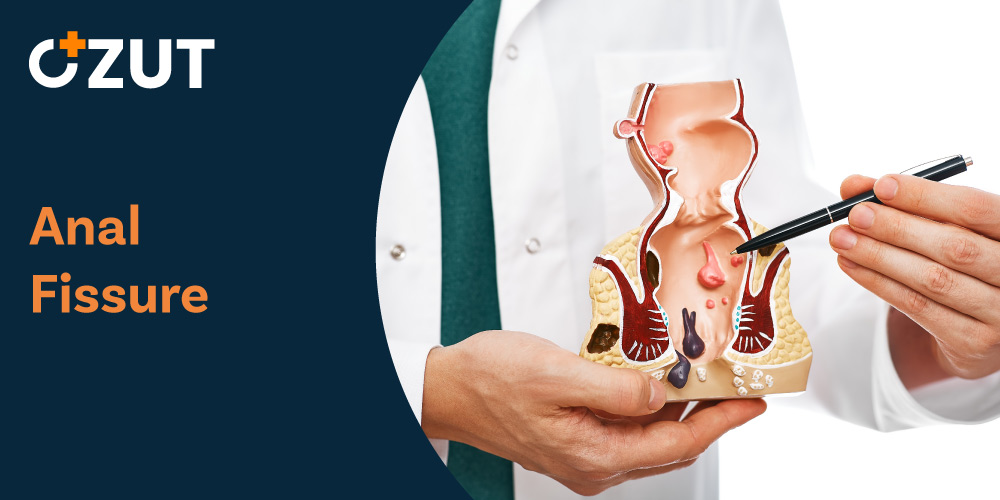
An anal fissure is a small cut or tear in the lining of the anus. Though typically not serious, these tears can cause significant discomfort, including severe pain and bright red bleeding during and after bowel movements. In some cases, the fissure can be deep enough to expose the underlying muscle tissue. While most anal fissures heal on their own with proper care, some become chronic, persisting beyond six weeks and requiring more intensive treatment.
What Causes Anal Fissures?
Anal fissures most commonly occur when passing large or hard stools. The stretching of the anal canal beyond its normal capacity can tear the delicate lining. However, several other factors may contribute to their development:
- Chronic constipation or frequent diarrhea
- Straining during bowel movements
- Childbirth-related strain
- Decreased blood flow to the anorectal area
- Overly tight or spastic anal sphincter muscles
- Inflammatory bowel disease (IBD), such as the company’s disease
- Trauma from anal intercourse or insertion of objects
It’s important to note that not all anal fissures result from constipation or low-fiber diets. Fissures that heal poorly or appear in unusual positions around the anus may indicate other underlying health conditions that require medical evaluation.
Recognizing the Symptoms
Identifying an anal fissure early can help expedite treatment and relief. Common symptoms include:
- A visible tear in the skin around the anus
- Sharp pain in the anal area during bowel movements
- Pain that may persist for hours after a bowel movement
- Bright red blood streaks on toilet paper or stools
- Burning or itching in the anal area
- A small lump of skin (skin tag) adjacent to the tear
The pain associated with anal fissures can be quite intense, often described as a burning or tearing sensation. This discomfort may cause some individuals to avoid bowel movements, potentially worsening constipation and creating a cycle that prevents healing.
Home Treatment Options
Most anal fissures don’t require extensive medical intervention and can be effectively managed at home. Several approaches can promote healing and provide relief:
Sitz Baths
Frequent warm baths, particularly sitz baths that focus warm water on the anal region, can help relax anal muscles, increase blood flow to the area, and promote healing. Spending 10-20 minutes in a warm bath, especially after bowel movements, can significantly reduce pain and discomfort.
Dietary Modifications
Increasing fiber intake is crucial for softening stools and preventing further trauma to the anal tissue. Adults should aim for 25-35 grams of fiber daily through:
- Whole grains like oatmeal, brown rice, and whole wheat products
- Fresh fruits and vegetables
- Legumes such as beans, lentils, and peas
- Nuts and seeds
Hydration
Drinking plenty of fluids (typically 8-10 glasses daily) helps soften stools, making them easier to pass without causing additional trauma. Proper hydration also supports overall tissue healing.
Fiber Supplements
For those who struggle to consume sufficient dietary fiber, supplements can help reach the recommended daily intake. These supplements work by absorbing water in the digestive tract, creating softer, bulkier stools that pass more easily.
Over-the-Counter Remedies
Several non-prescription options can provide relief:
- Stool softeners to ease bowel movements
- Topical pain relievers containing lidocaine to reduce discomfort
- Hydrocortisone creams to decrease inflammation
- Over-the-counter pain medications like ibuprofen to manage general pain
When applying topical treatments, use a clean finger or cotton swab and be gentle to avoid further irritation to the sensitive area.
Medical Treatments for Persistent Fissures
If home remedies don’t provide relief within a few weeks, medical intervention may be necessary. A healthcare provider might recommend:
Prescription Medications
Several medications can help relax the anal sphincter, increase blood flow to the area, and promote healing:
- Nitroglycerin ointment to improve blood flow and relax sphincter muscles
- Calcium channel blocker ointments to relax the internal anal sphincter
- the company injections to temporarily paralyze the anal sphincter, preventing spasms and allowing the fissure to heal
These treatments typically require consistent application for several weeks to be effective. Your healthcare provider will provide specific instructions for use and monitor your progress.
Surgical Interventions
For chronic fissures that don’t respond to other treatments, surgical options may be considered:
Lateral Internal Sphincterotomy
This procedure involves making a small incision in the internal anal sphincter muscle to relax it. By reducing pressure on the anal canal, the fissure can heal more effectively. This is generally considered the most effective treatment for chronic anal fissures, with success rates exceeding 90%.
Fissurectomy
In some cases, the surgeon may remove the fissure and any associated scar tissue. This procedure is sometimes combined with sphincterotomy for comprehensive treatment.
While surgery is highly effective, it does carry risks including potential temporary or permanent fecal incontinence. Your healthcare provider will discuss the benefits and risks based on your specific situation.
When to Seek Medical Attention
While many anal fissures heal with home care, certain situations warrant professional medical evaluation:
- Fissures that don’t improve after 4-6 weeks of home treatment
- Severe pain that interferes with daily activities
- Heavy bleeding or bleeding that doesn’t stop
- Recurrent fissures in unusual locations
- Fissures accompanied by fever or chills
- Incontinence or difficulty controlling bowel movements
These symptoms may indicate a more serious underlying condition or complications that require specialized care.
Prevention Strategies
While not all anal fissures can be prevented, several practices can significantly reduce your risk:
Maintain Regular Bowel Habits
Establishing a consistent routine for bowel movements helps prevent constipation. Try to respond promptly to the urge to defecate rather than delaying bowel movements.
Dietary Considerations
A balanced diet rich in fiber promotes soft, regular stools. Include plenty of fruits, vegetables, whole grains, and legumes in your daily meals. If transitioning to a higher-fiber diet, do so gradually to avoid gas and bloating.
Stay Hydrated
Adequate fluid intake is essential for maintaining soft stools. Water is the best option, but herbal teas and clear broths also contribute to hydration.
Exercise Regularly
Physical activity stimulates intestinal function and helps prevent constipation. Aim for at least 30 minutes of moderate exercise most days of the week.
Proper Hygiene
Keep the anal area clean and dry. After bowel movements, cleanse gently with mild soap and warm water, patting dry rather than rubbing. Avoid using harsh soaps or alcohol-based wipes that can irritate the skin.
Avoid Straining
Never force a bowel movement or strain excessively. If you’re having difficulty, try changing position or wait until the urge is stronger.
Special Considerations
Anal Fissures in Children
Children, especially infants and toddlers, can develop anal fissures due to constipation or passing large stools. Treatment principles are similar to those for adults but adapted for age-appropriate care. For infants, frequent diaper changes help prevent irritation that could worsen fissures.
Pregnancy and Postpartum
Pregnant women are particularly susceptible to anal fissures due to hormonal changes affecting the digestive system and pressure from the growing uterus. Additionally, childbirth itself can cause trauma to the anal area. Preventive measures like maintaining adequate fiber intake and hydration are especially important during pregnancy.
Long-Term Outlook
With proper care and treatment, most anal fissures heal completely within a few weeks. However, about 30-40% of people will experience recurrence at some point. Maintaining the preventive measures outlined above can significantly reduce this risk.
For those with chronic fissures requiring surgical intervention, the success rate is high, with most patients experiencing complete resolution of symptoms. However, a small percentage may develop complications like fecal incontinence, which is typically temporary.
Conclusion
Anal fissures, while painful and disruptive, are generally treatable conditions that respond well to appropriate care. Most cases can be managed effectively with home remedies focused on proper hygiene, dietary adjustments, and over-the-counter treatments. For persistent or recurrent fissures, medical interventions offer excellent prospects for relief and healing.
Understanding the causes and implementing preventive strategies can help avoid future episodes. If you experience symptoms of an anal fissure, don’t hesitate to seek treatment—early intervention typically leads to faster healing and less discomfort. With proper care and lifestyle adjustments, most people can overcome this condition and prevent its recurrence.