
Understanding Cervical Changes in Early Pregnancy: A Comprehensive Guide
Pregnancy brings about numerous changes in a woman’s body, some more noticeable than others. Among these transformations are specific changes to the cervix that occur during early pregnancy. Understanding these cervical changes can potentially help women identify pregnancy in its earliest stages, even before a missed period or positive pregnancy test.
What Is the Cervix and Where Is It Located?
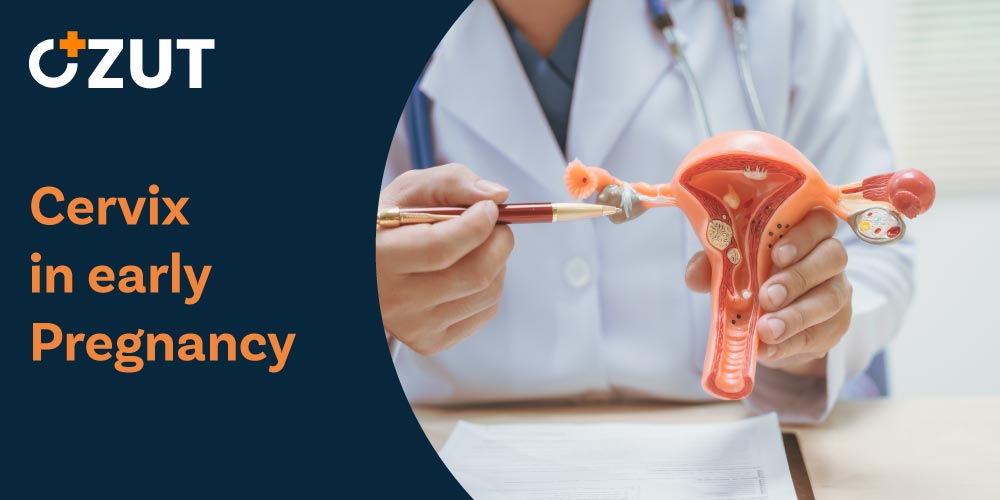
The cervix serves as the entrance to the womb and is positioned between the vagina and uterus. When touched, it feels similar to a round donut or ball high inside the vagina. This small but mighty structure undergoes significant changes throughout the menstrual cycle and during pregnancy.
For women trying to conceive or those simply interested in understanding their bodies better, tracking cervical changes can provide valuable insights into fertility and potential pregnancy.
Primary Cervical Changes in Early Pregnancy
There are two fundamental changes to the cervix that typically occur in early pregnancy:
1. Position Changes
During a normal menstrual cycle, the cervix changes position at different phases:
- During ovulation, the cervix rises higher in the vagina
- Around menstruation, it sits lower in the vagina
- If conception occurs, the cervix typically remains in a higher position
This elevated position is one of the first physical signs that conception may have taken place, often occurring before other pregnancy symptoms become apparent.
2. Firmness Changes
The texture and firmness of the cervix also undergo noticeable changes:
- Before menstruation in a non-pregnant state, the cervix feels firm, similar to an unripened fruit
- During pregnancy, the cervix softens considerably due to increased blood flow to the area
- This softening, sometimes called “cervical ripening,” is a response to hormonal changes that occur after conception
The combination of a higher position and softer texture can be an early indicator of pregnancy for women who regularly track their cervical changes.
How to Check Your Cervix at Home
It’s possible to monitor cervical changes yourself through a simple self-examination. While this method requires practice to master, many women find it helpful for tracking fertility and potential pregnancy.
Step-by-Step Cervical Check
- Wash your hands thoroughly with soap and water
- Find a comfortable position—standing with one foot elevated, squatting, or sitting on the toilet often works well
- Insert your middle finger (or whichever finger is most comfortable) into your vagina
- Reach toward the back of the vagina until you feel the cervix—a rounded, firm structure
- Note the position (how far you had to reach) and texture (firm or soft)
For best results and to minimize infection risk, perform this check after showering with clean, dry hands. Consistency is key—checking at the same time each day can help you identify patterns and changes more accurately.
Determining Cervical Position
Women’s anatomy varies, but generally, you can determine if your cervix is high or low based on how far you need to insert your finger before reaching it. By monitoring your cervix over several menstrual cycles, you’ll learn your personal baseline and be better equipped to notice changes.
During pregnancy, most women find that their cervix sits higher than usual and becomes increasingly difficult to reach as pregnancy progresses.
Cervical Changes During Ovulation
Understanding cervical changes isn’t just useful for detecting pregnancy—it can also help identify ovulation, which is crucial for those trying to conceive.
During ovulation, the cervix typically:
- Rises to a higher position in the vagina
- Becomes noticeably softer
- Opens slightly to allow sperm to enter more easily
- Produces more cervical mucus with an egg-white consistency
For conception purposes, it’s important to note that having intercourse one to two days before ovulation typically offers the best chances of pregnancy. By the time you detect these cervical changes, it might be too late for optimal conception timing in that particular cycle.
Limitations of Cervical Tracking for Pregnancy Detection
While cervical changes do occur in early pregnancy, relying solely on this method for pregnancy detection has several limitations:
- The changes can be subtle and difficult for many women to detect
- Individual anatomy varies significantly
- The position of your body while checking can influence how the cervix feels
- Recent sexual activity can temporarily alter cervical position
- It requires practice and familiarity with your own body’s patterns
Because of these limitations, cervical position checking should be considered just one potential indicator of pregnancy rather than a definitive method of confirmation.
More Reliable Signs of Early Pregnancy
For most women, the most dependable signs of early pregnancy remain:
Missed Period
A missed menstrual period, particularly for women with regular cycles, is often the first clear indication of pregnancy. However, women with irregular cycles may find this sign less reliable.
Positive Pregnancy Test
Home pregnancy tests detect human chorionic gonadotropin (hCG), often called the pregnancy hormone, in urine. These tests become more accurate as pregnancy progresses and hCG levels rise. Using a test too early can result in a false-negative result.
Most home pregnancy tests become reliable about one week after a missed period. For earlier detection, healthcare providers can perform blood tests that detect lower levels of hCG than urine tests can identify.
Common Early Pregnancy Symptoms
Beyond cervical changes and missed periods, other physical signs may indicate pregnancy:
- Morning sickness (nausea or vomiting, often not limited to mornings)
- Breast tenderness or soreness
- Unusual fatigue
- Increased urination frequency
- Constipation
- Heightened sense of smell
- Food aversions or unusual cravings
- Increased vaginal discharge
These symptoms vary widely among women, with some experiencing many signs and others few or none.
What to Do If You Suspect Pregnancy
If you notice cervical changes or other signs suggesting pregnancy, consider these next steps:
Pregnancy Testing
Take a home pregnancy test, preferably in the morning when urine is most concentrated. If the result is negative but your period still hasn’t arrived, wait another week and test again, as hCG levels continue rising throughout early pregnancy.
Medical Confirmation
After receiving a positive home test result, contact a healthcare provider to confirm the pregnancy and schedule your first prenatal appointment. They can perform more sensitive tests if needed and begin monitoring your pregnancy.
Early Pregnancy Care
While awaiting confirmation, it’s wise to begin acting as if you are pregnant:
- Start taking prenatal vitamins containing folic acid
- Maintain a balanced, nutritious diet
- Stay well-hydrated
- Ensure adequate rest
- Avoid alcohol, tobacco, and recreational drugs
- Limit caffeine intake
Gentle exercise such as walking, swimming, or pregnancy-specific yoga can help prepare your body for the changes ahead while supporting overall health.
Understanding False Results
It’s important to recognize that both cervical tracking and home pregnancy tests can sometimes yield misleading results.
False Negatives
A negative pregnancy test doesn’t always mean you aren’t pregnant. Testing too early, using diluted urine, or using an expired test can all lead to false-negative results. If your period remains absent and pregnancy symptoms persist, retest after a few days or consult a healthcare provider.
False Indicators
Cervical changes similar to those in early pregnancy can sometimes occur due to other factors, including hormonal fluctuations, infections, or normal cycle variations. This is why multiple confirmation methods are recommended.
Conclusion
Cervical changes represent just one of many physical transformations that occur during early pregnancy. While tracking these changes can provide helpful insights for women familiar with their bodies, they should not replace more reliable pregnancy detection methods like home tests and medical confirmation.
For women trying to conceive, understanding cervical changes throughout the menstrual cycle can help identify fertile windows and potential early pregnancy. However, the most accurate approach combines multiple observation methods with proper medical guidance.
By paying attention to your body’s signals and seeking appropriate care when pregnancy is suspected, you can ensure the healthiest possible start for both you and your potential future baby.