
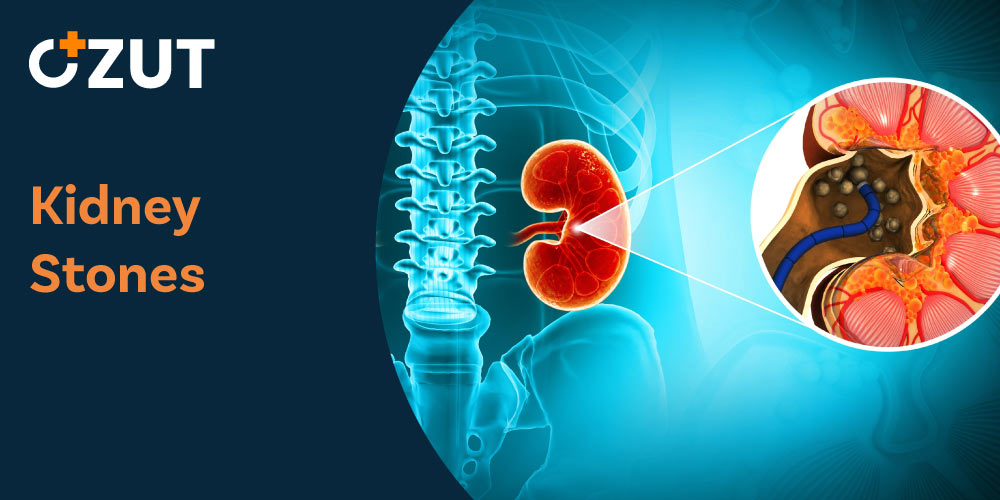
Understanding Kidney Stones: Types, Symptoms, Treatment, and Prevention
Kidney stones, or renal calculi, are solid masses made of crystals that can develop anywhere along your urinary tract, which consists of the kidneys, ureters, bladder, and urethra. These stones can be an extremely painful medical issue, with causes varying according to the type of stone formed. Understanding the nature of kidney stones is essential for proper treatment and prevention.
Different Types of Kidney Stones
Not all kidney stones are made up of the same crystals. Each type has different causes and may require specific approaches to treatment and prevention.
Calcium Stones
Calcium stones are the most common type of kidney stones. Despite their name, getting enough calcium in your diet can actually help prevent stones from forming. However, eating fewer oxalate-rich foods can reduce your risk of developing this type of stone.
High-oxalate foods include:
- Potato chips
- Peanuts
- Chocolate
- Spinach
Uric Acid Stones
This type of kidney stone is the second most common. They can occur in people with gout, diabetes, obesity, and other types of metabolic syndrome. Uric acid stones develop when urine is too acidic, often resulting from a diet rich in purines. These stones can form when the body produces too much uric acid or when the kidneys excrete too much uric acid into the urine.
Struvite Stones
Struvite stones typically result from kidney infections. They can grow quite large and may form horn-shaped crystals. Treating an underlying infection can prevent the development of struvite stones. These stones are more common in women and can grow rapidly, sometimes causing significant problems if left untreated.
Cystine Stones
About 1 in 7,000 people worldwide develop cystine kidney stones. They occur in both men and women who have the genetic disorder cystinuria. With this type of stone, cystine — an acid that occurs naturally in the body — leaks from the kidneys into the urine, forming crystals that can accumulate into stones.
Symptoms of Kidney Stones
Kidney stones can cause severe pain. Symptoms may not occur until the stone begins to move down the ureters. This severe pain is called renal colic. The pain often starts suddenly and comes in waves. It can be felt in the back, side, abdomen, groin, or genitals.
In men, pain may radiate to the groin area. The pain of renal colic comes and goes but can be intense. People with renal colic tend to be restless and unable to find a comfortable position.
Other symptoms may include:
- Blood in the urine (red, pink, or brown urine)
- Vomiting
- Nausea
- Discolored or foul-smelling urine
- Chills
- Fever
- Frequent need to urinate
- Urinating small amounts of urine
In the case of a small kidney stone, you may not have any pain or symptoms as the stone passes through your urinary tract.
Risk Factors for Kidney Stones
Different factors can increase your risk of developing a stone. In the United States, white people are more likely to have kidney stones than Black people. Sex also plays a role, with more men than women developing kidney stones.
A history of kidney stones can increase your risk. So does a family history of kidney stones.
Other risk factors include:
- Dehydration
- Obesity
- A diet with high levels of protein, salt, or glucose
- Hyperparathyroid condition
- Gastric bypass surgery
- Inflammatory bowel diseases that increase calcium absorption
- Taking certain medications such as triamterene diuretics, antiseizure drugs, and calcium-based antacids
Treatment Options for Kidney Stones
Treatment is tailored according to the type of stone. Urine can be strained and stones collected for evaluation to determine the most appropriate treatment approach.
Hydration
Drinking six to eight glasses of water a day increases urine flow, which can help small stones pass naturally. People who are dehydrated or have severe nausea and vomiting may need intravenous fluids to maintain proper hydration.
Medication
Various medications may be prescribed to help manage kidney stones:
Pain Relief
- Ibuprofen for pain
- Acetaminophen for pain
- Naproxen sodium for pain
Stone Management Medications
- Allopurinol for uric acid stones
- Thiazide diuretics to prevent calcium stones from forming
- Sodium bicarbonate or sodium citrate to make the urine less acidic
- Phosphorus solutions to prevent calcium stones from forming
Lithotripsy
Extracorporeal shock wave lithotripsy uses sound waves to break up large stones so they can more easily pass down the ureters into your bladder. This procedure can be uncomfortable and may require light sedation or pain medication to manage discomfort during the treatment.
Tunnel Surgery (Percutaneous Nephrolithotomy)
A surgeon may need to remove a stone using a small incision in your back and a nephroscope. This procedure is typically used when:
- The stone causes obstruction and infection or is damaging the kidneys
- The stone has grown too large to pass
- Pain can’t be managed with other methods
Ureteroscopy
When a stone is stuck in the ureter or bladder, a healthcare provider may use an instrument called a ureteroscope to remove it. A small wire with a camera attached is inserted into the urethra and passed into the bladder. The doctor then uses a small cage to snag the stone and remove it. The stone is then sent to the laboratory for analysis.
The Process of Passing a Kidney Stone
Passing a kidney stone is a process that typically occurs in stages over a period of several weeks.
Stages of Kidney Stone Passage
Stage 1
After a kidney stone has formed, you may experience spasms as your kidneys try to push out the stone. This can cause severe pain in your back or side, which may come and go in waves.
Stage 2
During this stage, the stone enters the ureter, which is the tube that connects the kidneys to the bladder. Depending on the size of the stone, this stage can also cause feelings of pain and intense pressure.
Stage 3
Once the stone has reached the bladder, most of the pain will subside. However, you may feel an increased pressure in the bladder and a need to urinate more frequently. In some cases, the stone may temporarily get stuck at the opening of the urethra, which could block the flow of urine.
Stage 4
The final stage occurs once the stone has reached the urethra. During this stage, you need to push hard to pass the kidney stone with the urine through the opening of the urethra.
Time Frame for Passing Kidney Stones
The amount of time that it takes to pass a kidney stone can vary depending on the size of the stone. Generally, small stones are able to pass through the urine within a few days to a week. On the other hand, larger stones may take 2-3 weeks to move through the kidneys and into the bladder.
Stones that don’t pass on their own within 4 weeks typically require medical intervention.
Diagnosis of Kidney Stones
Diagnosis of kidney stones requires a complete health history assessment and a physical exam. Other tests may include:
Laboratory Tests
- Blood tests for calcium, phosphorus, uric acid, and electrolytes
- Blood urea nitrogen (the company) and creatinine to assess kidney functioning
- Urinalysis to check for crystals, bacteria, blood, and white cells
- Examination of passed stones to determine their type
Imaging Tests
The following tests can rule out obstruction:
- Abdominal X-rays
- Intravenous pyelogram (the company)
- Retrograde pyelogram
- Ultrasound of the kidney (the preferred test)
- MRI scan of the abdomen and kidneys
- Abdominal the company scan
The contrast dye used in the the company scan and the the company can affect kidney function. However, in people with normal kidney function, this isn’t a concern. There are some medications that can increase the potential for kidney damage in conjunction with the dye. Make sure your radiologist knows about any medications you’re taking.
Prevention of Kidney Stones
Proper hydration is a key preventive measure. It’s recommended to drink enough fluid to pass at least 2.5 liters of urine daily. You can substitute ginger ale, lemon-lime soda, and fruit juice for water to help you increase your fluid intake. If the stones are related to low citrate levels, citrate juices could help prevent the formation of stones.
Dietary Modifications
In addition to drinking more water, making modifications to your diet could also help prevent kidney stones:
Foods to Limit
Animal proteins can increase levels of uric acid in your urine and increase the risk of developing kidney stones. Consider limiting intake of:
- Beef
- Chicken
- Pork
- Organ meats
- Fish
- Shellfish
- Eggs
- Milk
- Cheese
- Yogurt
- Processed meats
- Fast food
- Frozen meals
- Salty snacks
Eating oxalate-rich foods in moderation and reducing your intake