
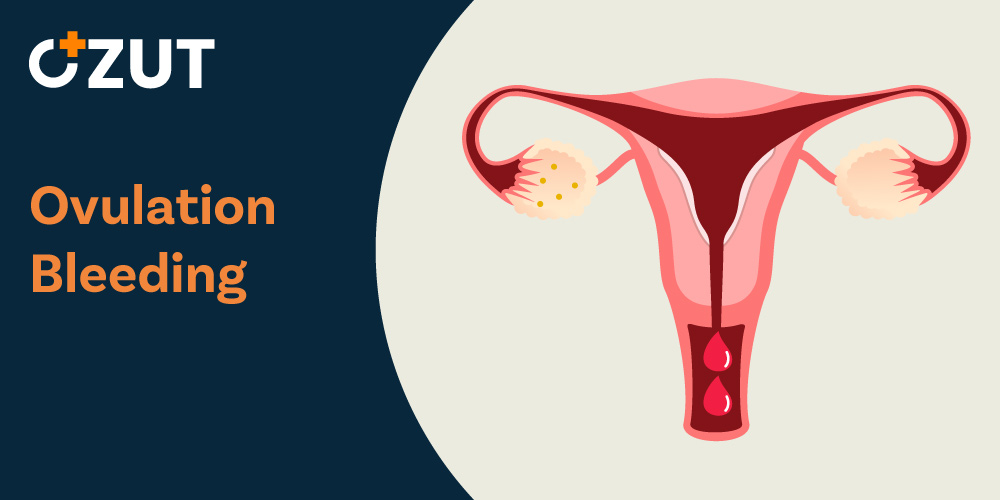
Understanding Ovulation Spotting: Causes, Identification, and Relation to Fertility
Ovulation spotting is light bleeding that occurs around the time that you ovulate. It’s relatively uncommon but is not a reason for concern. This natural phenomenon happens when your ovary releases an egg, though not every woman will experience it. In fact, ovulation spotting only occurs in a small percentage of women, making it a less common sign of ovulation.
What Is Ovulation Spotting?
If you notice spotting around the middle of your cycle, it may be ovulation spotting. Spotting is light vaginal bleeding that happens outside of your regular periods. Typically, this bleeding is much lighter than what you’ll experience during menstruation.
The color of the blood can provide clues to the cause of the spotting. That’s because the color changes depending on the speed of the blood flow. Some women describe ovulation spotting as light pink or red in color. Pink spotting is a sign that the blood is mixed with cervical fluid. Women typically produce more cervical fluid at the time of ovulation.
One of the key characteristics of ovulation spotting is its duration—it usually lasts only a day or two, making it much briefer than a typical period.
When Does Ovulation Spotting Occur?
Ovulation usually occurs anywhere between 11 and 21 days after the first day of your last period, though it may occur sooner or later in some women, depending on the length of your cycle. Ovulation can also happen at various times during a woman’s cycle and may take place on a different day each month.
Tracking ovulation can help improve your chances for becoming pregnant. Some women also track ovulation as a way to prevent pregnancy. If you’re trying to conceive, light spotting during ovulation may be a sign that you can conceive around this time of your cycle.
The Fertility Window
Keep in mind that an egg is only available for fertilization for about 12–24 hours during ovulation. But, because sperm can live in the body for three to five days, your fertile window of opportunity is about 5 days each month. That means if you have unprotected intercourse four days before you ovulate, you may still become pregnant. However, if you have intercourse the day after ovulation, you are unlikely to become pregnant unless you have a very short cycle.
What Causes Ovulation Spotting?
Ovulation spotting may be caused by rapid hormonal changes that occur during ovulation. During this time, your body experiences fluctuations in estrogen and luteinizing hormone (LH) levels. These hormonal shifts can sometimes lead to light bleeding as the egg is released from the ovary.
It’s important to note that having higher or lower levels of these hormones does not mean that you are more or less likely to conceive. The presence or absence of spotting is not an indicator of fertility.
Other Signs of Ovulation
Besides spotting, there are several other signs that may indicate you’re ovulating:
- Increase in cervical fluid
- Cervical fluid that looks like egg whites
- Change in the position or firmness of the cervix
- Change in basal body temperature (a slight decline in temperature before ovulation followed by a sharp increase after ovulation)
- Increased sex drive
- Pain or a dull ache on one side of the abdomen
- Higher levels of LH, which can be measured with an ovulation test
- Breast tenderness
- Bloating
- An intensified sense of smell, taste, or vision
Paying close attention to these symptoms may help you narrow down your window to conceive if you’re trying to get pregnant.
Ovulation Spotting vs. Implantation Spotting
While ovulation spotting happens around the time that your body releases an egg, implantation spotting occurs when a fertilized egg attaches to the inner lining of your uterus.
Implantation spotting is one of the earliest signs of pregnancy. About one-third of pregnant women will experience it.
Unlike ovulation spotting, which usually occurs mid-cycle, implantation spotting happens a few days before your next period should occur.
How to Differentiate Between Implantation Bleeding and Periods
Because implantation bleeding happens around the same time you might expect your period, you may mistake implantation bleeding for your period. Here are the differences:
- Implantation bleeding is light pink to dark brown in color. Menstruation bleeding is usually bright to dark red.
- Implantation bleeding is much lighter in flow than your period.
- Implantation bleeding only lasts for half a day to a couple days. Periods typically last longer than this.
Other Symptoms of Implantation
You may also experience the following symptoms in addition to implantation bleeding:
- Headaches
- Nausea
- Mood swings
- Light cramping
- Breast tenderness
- Low backache
- Fatigue
Implantation bleeding isn’t something to worry about and doesn’t pose any danger to an unborn baby.
Spotting vs. Period: Understanding the Difference
Spotting is different than the bleeding you experience when you have your period. Typically, spotting:
- Is lighter in flow
- Is pink, reddish, or brown in color
- Only lasts for a day or two
Bleeding due to your menstrual period is usually heavy enough to require a pad, tampon, or menstrual cup. The average period lasts about five days and produces a total blood loss of about 30 to 80 milliliters (mL). They typically occur every 21 to 35 days.
When to Take a Pregnancy Test
If you think you may be pregnant, wait until the first day after your missed period to take a pregnancy test. If you had ovulation bleeding, this may be about 15 to 16 days after the bleeding occurred.
Taking a test too early may result in a false-negative test. Pregnancy tests measure the amount of human chorionic gonadotropin (hCG) in your urine. This hormone rises rapidly when you’re pregnant, but in the very early days of pregnancy, the levels will be too low to detect in your urine.
If your test comes back positive, make an appointment with your healthcare provider to confirm the results. If your test is negative and your period still hasn’t started, take another test a week later. If your test is still negative, make an appointment to see your doctor.
Tracking Ovulation Without Spotting
Ovulation spotting only occurs in a small number of women. You can still ovulate without experiencing spotting. If you’re trying to conceive, track your menstrual cycle and watch for other signs of ovulation, such as changes in cervical mucus and basal body temperature. Keep in mind that your body temperature rises after ovulation, so this is not the best approach for predicting your fertile window.
You can also use an ovulation tracking app or an ovulation test. Ovulation tests work similarly to pregnancy urine tests, except they test for LH in your urine. LH increases just before and during ovulation. These tests are useful for identifying your fertile window and increasing the chances of pregnancy.
Methods for Tracking Ovulation
- Calendar method: Track your cycle length over several months to identify patterns
- Basal body temperature: Take your temperature each morning before getting out of bed
- Cervical mucus method: Monitor changes in your cervical fluid consistency
- Ovulation predictor kits: Test your urine for increased LH levels
- Fertility monitors: Electronic devices that track multiple fertility signs
- Smartphone apps: Digital tools that help record and analyze your cycle data
When to Consult a Healthcare Provider
If you’ve been trying to conceive for more than a year — or for more than 6 months if you’re over 35 — talk to your doctor. They can do tests to see if you’re ovulating as expected, or if you or your partner have trouble with fertility.
Additionally, while ovulation spotting is normal, you should consult your healthcare provider if you experience:
- Heavy bleeding outside your normal period
- Spotting that occurs frequently throughout your cycle
- Severe pain accompanying the spotting
- Spotting after menopause
- Any unusual changes in your menstrual pattern
Conclusion
Ovulation spotting is a normal occurrence for some women and can be a helpful indicator of fertility for those tracking their cycles. However, its absence doesn’t mean you’re not ovulating. Understanding the difference between various types of spotting and bleeding can help you better interpret your body’s signals and make informed decisions about your reproductive health.
Whether you’re trying to conceive or simply want to understand your body better, paying attention to these subtle signs can provide valuable insights into your menstrual cycle and overall reproductive health. If you have concerns about irregular bleeding or fertility issues, don’t hesitate to consult with a healthcare professional who can provide personalized guidance.