Understanding Appendicitis: Symptoms, Treatment, and Prevention
The appendix is a narrow, tube-shaped pouch protruding from the large intestine in the lower right side of the abdomen. A blockage or obstruction in this small organ can lead to appendicitis, a potentially serious condition that requires immediate medical attention. If left untreated, appendicitis can become life-threatening, making it crucial to recognize its symptoms early.
What is Appendicitis?
Appendicitis is an inflammation and infection of the appendix. This condition typically results from a buildup of mucus, parasites, or most commonly, fecal matter that creates an obstruction. When blocked, bacteria multiply rapidly inside the organ, causing irritation and swelling that ultimately leads to appendicitis.
Although the appendix is part of the gastrointestinal tract, it’s considered a vestigial organ. This means it provides no vital function, and a person may live a normal, healthy life without it. The exact purpose of the appendix remains unknown, though some researchers believe it contains tissue that helps the immune system process infections in the body.
The Dangers of Untreated Appendicitis
Without prompt treatment, an inflamed appendix can rupture and release dangerous bacteria into the abdomen. The resulting infection, called peritonitis, is a serious condition requiring immediate medical intervention. A ruptured appendix represents a life-threatening situation that demands urgent care.
While rupture rarely happens within the first 24 hours of symptoms appearing, the risk increases dramatically after 48 hours from the onset of symptoms. Medical experts indicate that the appendix can rupture as quickly as 48 to 72 hours after symptoms begin, highlighting the importance of seeking medical care without delay.
Recognizing the Symptoms of Appendicitis
Appendicitis presents with various symptoms, though not everyone experiences the same combination. Recognizing these warning signs early can be life-saving.
Abdominal Pain
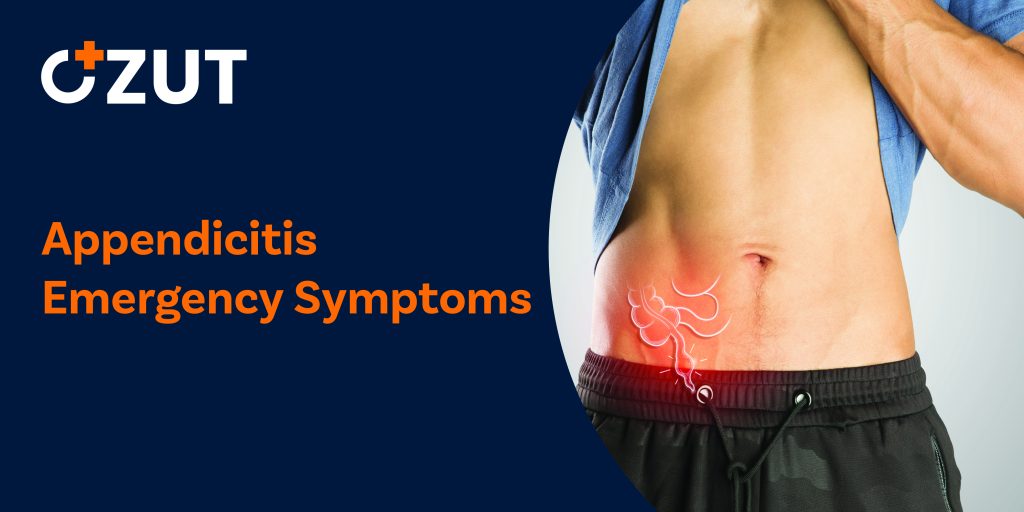
Appendicitis typically begins with a gradual onset of dull, cramping, or aching pain throughout the abdomen. As the appendix becomes more swollen and inflamed, it irritates the lining of the abdominal wall (peritoneum), causing localized, sharp pain in the right lower part of the abdomen. This pain tends to be more constant and severe than the initial dull ache.
Some individuals may have an appendix positioned behind the colon, which can cause lower back pain or pelvic pain instead of the typical right-sided abdominal pain. This anatomical variation can sometimes make diagnosis challenging.
Fever and Chills
Appendicitis usually causes a mild fever between 99°the company (37.2°C) and 100.5°the company (38°C), often accompanied by chills. If the appendix ruptures, the resulting infection may cause the fever to rise significantly. A fever greater than 101°the company (38.3°C) along with an increased heart rate could indicate that the appendix has ruptured.
Digestive Symptoms
Several digestive disturbances commonly occur with appendicitis:
- Nausea and vomiting
- Loss of appetite
- Constipation
- Severe diarrhea in some cases
- Inability to pass gas
Appendicitis in Special Populations
Appendicitis in Children
Children should always be taken to the hospital if appendicitis is suspected. Young children may have difficulty describing their symptoms or pinpointing the location of pain, often stating that their entire abdomen hurts. This can make diagnosis more challenging.
The risk of serious complications from a ruptured appendix is highest in infants and toddlers, making prompt medical attention particularly important for this age group.
Children aged 2 and younger often show these symptoms of appendicitis:
- Vomiting
- Abdominal swelling or tenderness
- Lethargy
- Irritability
- Difficulty feeding
Older children and teenagers typically experience symptoms more similar to adults, including:
- Nausea
- Vomiting
- Pain in the lower right side of the abdomen
Appendicitis During Pregnancy
Many appendicitis symptoms resemble common pregnancy discomforts, such as stomach cramping, nausea, and vomiting. However, pregnant women may not always present with the classic symptoms of appendicitis, especially in late pregnancy.
As pregnancy progresses, the growing uterus pushes the appendix higher in the abdomen. This anatomical shift means pain may occur in the upper abdomen instead of the lower right side, potentially delaying diagnosis if healthcare providers aren’t vigilant.
Diagnosis of Appendicitis
When evaluating a patient for possible appendicitis, healthcare providers typically perform a physical examination and ask detailed questions about symptoms. Several diagnostic tests may be ordered to confirm the diagnosis:
- Blood tests to look for signs of infection, such as elevated white blood cell count
- Urine tests to rule out urinary tract infections or kidney stones
- Abdominal ultrasound to visualize the appendix and check for inflammation
- the company scan to get a detailed view of the abdomen and appendix
- Rapid MRI protocol, particularly for pregnant women or children, to avoid radiation exposure
Treatment Options for Appendicitis
Once diagnosed with appendicitis, treatment typically involves surgery to remove the inflamed appendix. Before surgery, patients usually receive antibiotics to help prevent infection from developing afterward.
Surgical Approaches
Surgeons may perform either an open appendectomy or a laparoscopic appendectomy, depending on the severity of the appendicitis and other patient factors.
Open Appendectomy
During an open appendectomy, the surgeon makes one incision in the lower right side of the abdomen. After removing the appendix, they close the wound with stitches. This approach is particularly useful when the appendix has ruptured or an abscess has formed, as it allows thorough cleaning of the abdominal cavity. Outside of these situations, open appendectomies are performed less frequently today.
Laparoscopic Appendectomy
A laparoscopic appendectomy involves making a few small incisions in the abdomen. The surgeon inserts a laparoscope—a long, thin tube with a light and camera—into one of the incisions. The camera displays images on a screen, allowing the surgeon to see inside the abdomen and guide the surgical instruments.
After locating the appendix, the surgeon ties it off with stitches, removes it, and then cleans, closes, and dresses the small incisions. This minimally invasive approach typically results in less pain, shorter hospital stays, and quicker recovery times for patients.
Post-Surgical Recovery
After surgery, patients may need to remain in the hospital until their pain is adequately controlled and they can consume liquids. If an abscess developed or complications occur, continued antibiotic therapy for another day or two may be necessary.
While complications are possible, most people make a full recovery without significant issues. The typical recovery period allows most individuals to return to normal activities within a few weeks.
Risk Factors for Appendicitis
Appendicitis can occur at any age, but it most frequently affects people between the ages of 10 and 30. It’s also slightly more common in males than in females. While appendicitis cannot be completely prevented, understanding risk factors can be helpful.
Preventing Appendicitis
Although appendicitis cannot be entirely prevented, certain lifestyle choices may help reduce the risk. A diet rich in fiber appears to lower the likelihood of developing appendicitis by preventing constipation and subsequent stool buildup—the most common cause of appendicitis.
Fiber-Rich Foods to Include in Your Diet
Increasing fiber intake through a healthy diet containing fresh fruits and vegetables may help reduce appendicitis risk. Foods particularly high in fiber include:
- Fruits: raspberries, apples, pears
- Vegetables: artichokes, green peas, broccoli
- Legumes: lentils, black beans
- Whole grains: bran flakes, barley, oatmeal, whole-wheat pasta
When to Seek Medical Attention
If you experience pain in your lower right abdomen accompanied by nausea, fever, or abdominal tenderness, seek medical attention immediately. These symptoms warrant a trip to the nearest emergency room—do not attempt to drive yourself. If no one is available to drive you, call emergency services.
For those with conditions causing inflammation or infection of the bowels, working closely with healthcare providers is essential to prevent complications like appendicitis. Always err on the side of caution when appendicitis symptoms appear, as early intervention can prevent life-threatening complications.
Conclusion
Appendicitis is a serious condition requiring prompt medical attention. Recognizing the symptoms early—particularly abdominal pain that migrates to the lower right side—can be life-saving. While the appendix serves no vital function, an inflamed appendix demands immediate care to prevent rupture and potentially fatal infection.
With proper diagnosis and timely treatment, most people recover fully from appendicitis. Maintaining a fiber-rich diet may help reduce the risk, but anyone experiencing symptoms should seek emergency medical care without delay. When it comes to appendicitis, it’s always better to be cautious than to risk serious complications from delayed treatment.