
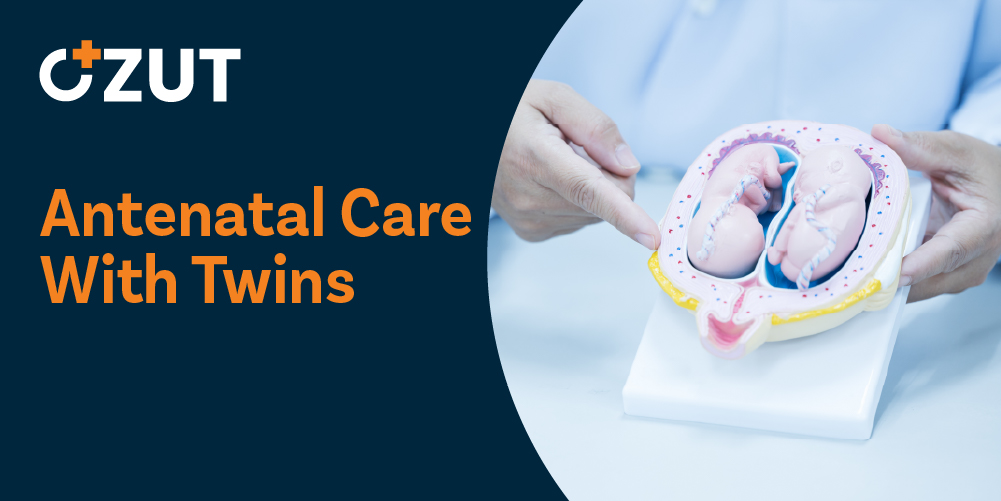
Comprehensive Guide to Multiple Pregnancy Care and Management
Expecting more than one baby represents a unique journey that requires specialized medical attention and careful monitoring throughout the gestational period. Multiple pregnancies carry distinct characteristics and considerations that differ significantly from singleton pregnancies. Understanding these differences and maintaining consistent communication with healthcare providers ensures optimal outcomes for both the expectant parent and the developing babies.
Understanding the Importance of Specialized Antenatal Care
Multiple pregnancies require enhanced medical supervision due to the increased complexity and potential complications associated with carrying more than one baby. The antenatal care team should possess extensive experience in managing these pregnancies, as the medical protocols differ substantially from standard prenatal care. Regular attendance at all scheduled appointments becomes crucial, as these visits allow healthcare providers to monitor development closely and identify any emerging concerns at the earliest possible stage.
The specialized nature of multiple pregnancy care means that healthcare teams must be equipped with advanced diagnostic tools and possess comprehensive knowledge of the unique challenges these pregnancies present. This expertise enables them to provide appropriate guidance, conduct necessary interventions, and ensure that expectant parents receive accurate information throughout their pregnancy journey.
Essential Screening and Monitoring Protocols
The frequency and type of medical assessments required during a multiple pregnancy depend on several factors, including the specific configuration of placentas and membranes. These assessments form the foundation of comprehensive prenatal care and help healthcare providers track fetal development while identifying potential complications early.
Initial Assessment Period
Between eleven and fourteen weeks of gestation, expectant parents should undergo a comprehensive ultrasound examination. This early scan serves multiple critical purposes and represents one of the most important appointments in the entire pregnancy timeline. During this assessment, medical professionals determine the placental arrangement and membrane configuration, information that fundamentally shapes the entire care plan moving forward.
This early ultrasound also provides an opportunity to verify gestational dates with greater accuracy, ensuring that all subsequent monitoring occurs at appropriate intervals. Additionally, expectant parents may choose to undergo screening for chromosomal conditions during this visit, allowing them to make informed decisions about their pregnancy management based on comprehensive information.
Mid-Pregnancy Evaluations
The period between sixteen and twenty weeks brings additional important assessments. Healthcare providers typically recommend a cervical length measurement during this timeframe, as this evaluation helps predict the likelihood of premature delivery. The cervix plays a crucial role in maintaining pregnancy, and its length serves as a valuable indicator of potential preterm birth risk.
When measurements reveal a shortened cervix, medical intervention may be recommended. Progesterone supplementation, administered daily until thirty-four weeks of gestation, has shown effectiveness in reducing preterm birth risk in certain cases. This proactive approach demonstrates how early detection through regular monitoring can lead to interventions that significantly improve pregnancy outcomes.
Around the twentieth week, a detailed anatomical survey takes place. This comprehensive examination assesses fetal development, checking that all major organs and body systems are forming correctly. This scan provides reassurance and allows healthcare teams to identify any developmental concerns that may require specialized care or intervention.
Classification Systems for Multiple Pregnancies
Medical professionals categorize multiple pregnancies based on placental and membrane arrangements. Understanding these classifications helps expectant parents comprehend their specific situation and the associated monitoring requirements. While these categories primarily describe twin pregnancies, the same principles apply to higher-order multiples, though such pregnancies involve additional complexity.
Dichorionic Diamniotic Configuration
This arrangement involves each baby having completely separate placentas and individual amniotic sacs. This configuration provides the greatest degree of independence between babies and generally carries the lowest risk profile among multiple pregnancies. All non-identical multiples fall into this category, as they develop from separate fertilized eggs and naturally maintain distinct placental structures.
Expectant parents with this configuration typically undergo ultrasound assessments approximately every four weeks. This regular monitoring ensures that both babies continue developing appropriately and allows healthcare providers to track growth patterns over time. While this arrangement presents fewer complications than shared placental configurations, consistent monitoring remains essential for optimal outcomes.
Monochorionic Diamniotic Configuration
This arrangement occurs when babies share a single placenta but occupy separate amniotic sacs. Most identical multiples develop in this configuration, which requires more intensive monitoring due to the shared placental connection. The single placenta creates potential for complications that do not exist in pregnancies with separate placentas.
Enhanced surveillance becomes necessary with this configuration, as the shared placental tissue can develop abnormal blood vessel connections. These connections may lead to imbalanced blood flow between babies, creating health risks that require early detection and potential intervention. Expectant parents with this configuration should anticipate more frequent appointments and may receive referrals to specialized centers with advanced diagnostic capabilities.
Monochorionic Monoamniotic Configuration
The rarest arrangement involves babies sharing both a single placenta and a single amniotic sac. This configuration presents the highest risk profile and requires the most intensive monitoring throughout pregnancy. The shared environment creates unique challenges, particularly regarding umbilical cord positioning and potential entanglement.
Expectant parents with this configuration receive highly specialized care, often involving frequent ultrasound examinations and consultations with maternal-fetal medicine specialists. The rarity of this arrangement means that care typically occurs at specialized centers with extensive experience managing these complex pregnancies.
Specialized Monitoring Requirements
The level of medical surveillance varies significantly based on placental configuration. Healthcare teams tailor monitoring schedules to address the specific risks associated with each pregnancy type, ensuring that potential complications receive prompt attention.
Enhanced Surveillance Protocols
Pregnancies involving shared placentas require particularly vigilant monitoring due to the risk of blood flow imbalances between babies. These imbalances can develop when abnormal blood vessel connections form within the shared placental tissue, creating a situation where one baby receives excessive blood flow while the other receives insufficient circulation.
This condition, affecting approximately ten to fifteen percent of pregnancies with shared placentas, can have serious implications for fetal health. Early detection through frequent ultrasound examinations allows healthcare teams to implement appropriate interventions when necessary. Some cases may require referral to regional centers specializing in advanced fetal medicine, where highly trained specialists can provide expert evaluation and treatment options.
Cord Complications Monitoring
When babies share a single amniotic sac, the positioning and movement of umbilical cords becomes a significant concern. The shared space increases the likelihood of cord interaction, which can potentially compromise blood flow and oxygen delivery to one or both babies. Frequent imaging studies help healthcare providers assess cord positioning and detect any concerning patterns that might require intervention or altered delivery planning.
Common Health Considerations in Multiple Pregnancies
Carrying multiple babies places additional demands on the body, increasing the likelihood of certain pregnancy-related conditions. Understanding these potential complications helps expectant parents recognize warning signs and seek timely medical attention when necessary.
Nutritional Demands and Anemia Risk
The increased metabolic requirements of supporting multiple developing babies can lead to iron deficiency, as the body works to maintain adequate blood supply for all occupants. Regular blood testing throughout pregnancy helps identify declining iron levels before they become problematic. When deficiency develops, supplementation can restore healthy levels and prevent symptoms such as fatigue and weakness.
Blood Pressure Complications
Multiple pregnancies carry elevated risk for developing high blood pressure conditions that can affect both maternal and fetal health. These conditions require careful monitoring and may necessitate more frequent check-ups, particularly in the latter stages of pregnancy. Early detection through regular blood pressure measurements and urine testing allows healthcare teams to implement management strategies that protect both parent and babies.
Premature Birth Considerations
One of the most significant aspects of multiple pregnancy involves the increased likelihood of delivery occurring before full term. Understanding this reality helps expectant parents prepare appropriately and recognize the importance of preventive measures and early intervention strategies.
Statistical Realities
Approximately sixty percent of twin pregnancies result in delivery before thirty-seven weeks of gestation. For triplet pregnancies, this percentage increases dramatically, with nearly eighty percent delivering before thirty-five weeks. These statistics underscore the importance of preparation for potential premature birth and the need for access to appropriate neonatal care facilities.
Several factors influence premature birth risk, including previous history of preterm delivery and cervical length measurements. Healthcare providers use this information to stratify risk and determine appropriate monitoring intensity and intervention strategies.
Weight Considerations
Babies from multiple pregnancies frequently have lower birth weights compared to singletons, partly due to earlier delivery timing and partly due to the shared uterine environment. While many of these babies thrive with appropriate medical support, understanding this likelihood helps families prepare for potential neonatal intensive care needs.
Strategic Delivery Planning
Unlike singleton pregnancies that typically continue until spontaneous labor begins, multiple pregnancies often involve planned delivery timing to optimize safety for both babies and parent. Healthcare teams develop individualized delivery plans based on placental configuration, pregnancy progression, and any complications that may have emerged.
Recommended Delivery Timing
Medical guidelines suggest specific delivery windows based on pregnancy configuration. For pregnancies where each baby has a separate placenta, planned delivery typically occurs around thirty-seven weeks. When identical babies share a placenta, the recommended timing moves earlier to thirty-six weeks due to increased complication risks.
Triplet pregnancies generally involve planned delivery around thirty-five weeks for uncomplicated cases. The rarest configuration, where babies share both placenta and sac, typically requires delivery between thirty-two and thirty-three weeks due to the elevated risks associated with this arrangement.
Extended Pregnancy Monitoring
Some expectant parents may prefer to continue pregnancy beyond the recommended delivery timing. In these situations, healthcare teams implement intensive monitoring protocols to ensure ongoing safety. Weekly consultations with obstetric specialists, frequent ultrasound examinations, and regular growth assessments become standard practice. This enhanced surveillance allows healthcare providers to detect any emerging concerns promptly while respecting parental preferences regarding delivery timing.
Understanding Placental Blood Flow Complications
One of the most significant complications affecting pregnancies with shared placentas involves imbalanced blood circulation between babies. This condition develops when abnormal blood vessel connections form within the placental tissue, creating pathways that allow blood to flow disproportionately from one baby to another.
Mechanism and Impact
The baby donating blood experiences reduced blood volume, potentially leading to growth restriction and decreased amniotic fluid. Meanwhile, the recipient baby receives excessive blood volume, which can strain the cardiovascular system and lead to increased amniotic fluid accumulation. This imbalance creates distinct challenges for each baby and requires careful medical management.
Detection and Management Approaches
Regular ultrasound monitoring allows healthcare providers to detect signs of this complication early in its development. Various treatment approaches exist, and the appropriate intervention depends on multiple factors including gestational age, severity of the condition, and specific characteristics of each case. Consultation with specialists in maternal-fetal medicine ensures that families receive expert guidance tailored to their unique situation.
Preparing for Multiple Birth Outcomes
Understanding the realities of multiple pregnancy helps families prepare emotionally, practically, and logistically for the arrival of their babies. This preparation extends beyond typical newborn readiness to encompass potential scenarios unique to multiple births.
Neonatal Care Considerations
Given the high likelihood of premature delivery, families should familiarize themselves with neonatal intensive care facilities and understand what level of care their delivery location provides. Some hospitals specialize in high-risk obstetrics and advanced neonatal care, while others may require transfer to specialized centers if complications arise.
Discussing delivery location options with healthcare providers early in pregnancy allows families to make informed decisions about where to give birth. Factors to consider include distance from home, available neonatal care levels, and the experience of the obstetric and pediatric teams with multiple births.
Support Systems and Resources
Building