
Understanding Cervical Length During Pregnancy: Why It Matters for Maternal and Fetal Health
During pregnancy, healthcare professionals monitor numerous aspects of maternal health to ensure the best possible outcomes for both mother and baby. Among these important measurements is cervical length, a critical indicator that can help predict and potentially prevent preterm birth. This comprehensive guide explores what cervical length is, why it matters during pregnancy, and how healthcare providers manage cases where the cervix shortens prematurely.
What Is Cervical Length and Why Is It Important?
The cervix serves as the gateway between the uterus and the vagina. This cylindrical tissue structure plays a crucial role during pregnancy as it helps keep the developing fetus safely inside the uterus until it’s time for delivery. Before pregnancy, the cervix is typically firm, long, and closed. Throughout a healthy pregnancy, the cervix gradually undergoes changes in preparation for childbirth.
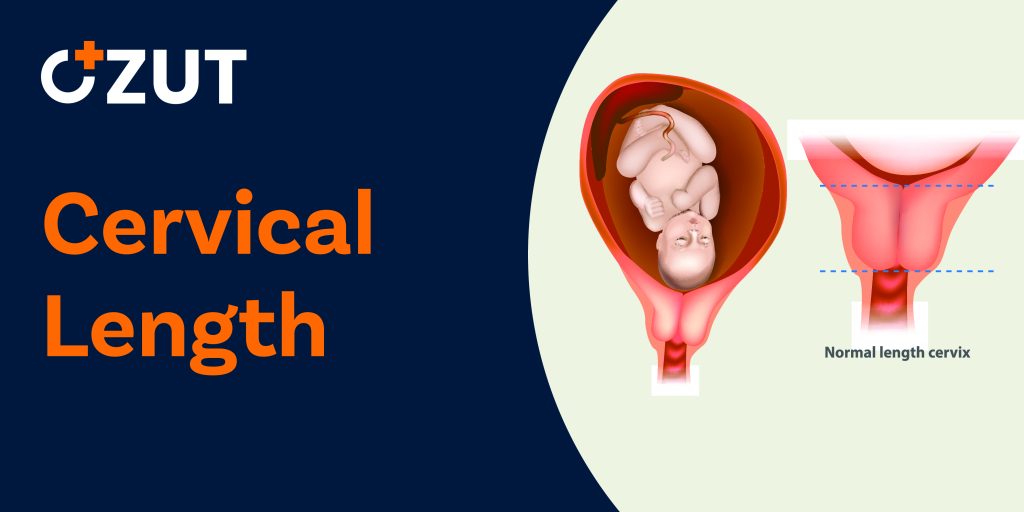
Cervical length refers to the measurement of the cervical canal from the internal to the external opening. During a normal pregnancy, the cervix should remain long and closed until the final weeks when it naturally begins to shorten, soften, and dilate in preparation for labor and delivery.
When the cervical length shortens too early in pregnancy—particularly before 37 weeks—it may indicate an increased risk for preterm labor and birth. This premature shortening can compromise the cervix’s ability to keep the baby safely in the uterus for the full gestational period.
Normal Cervical Changes During Pregnancy
Understanding the normal progression of cervical changes helps healthcare providers identify potential problems. Here’s what typically happens to the cervix throughout pregnancy:
- First trimester: The cervix is firm (similar to the tip of a nose), long (approximately 3-5 centimeters), and tightly closed.
- Second trimester: The cervix generally remains long and closed, continuing to form a protective barrier.
- Third trimester: The cervix begins to soften (becoming more like lips than a nose in firmness).
- Final weeks: The cervix starts to efface (thin out) and dilate (open) in preparation for delivery.
When these changes occur too early, it may signal a problem that requires medical attention and intervention.
How Cervical Length Affects Preterm Birth Risk
Preterm birth—defined as delivery before 37 weeks of gestation—poses significant health risks to newborns. The earlier the birth occurs, the greater these risks become. A shortened cervix is one of the strongest predictors of spontaneous preterm birth.
Research has established clear correlations between cervical length and preterm birth risk:
- A cervical length less than 25 millimeters before 24 weeks significantly increases preterm birth risk
- The shorter the cervix, the higher the risk becomes
- The risk increases further for those with a history of previous preterm births
- Multiple gestations (twins, triplets) combined with a short cervix present an even higher risk
When the cervix begins to shorten prematurely, it may eventually lead to preterm labor as the structural support keeping the baby inside weakens. This process can happen gradually over weeks or sometimes rapidly, which is why monitoring cervical length can be crucial for those at high risk.
Symptoms Associated with Cervical Shortening
One of the challenges in identifying premature cervical shortening is that it often occurs without noticeable symptoms. Many cases are discovered during routine ultrasound examinations. However, when symptoms do appear, they may include signs of preterm labor such as:
- Regular, consistent contractions
- Persistent, dull lower backache
- Pelvic pressure or fullness
- Abdominal cramping, similar to menstrual cramps
- Changes in vaginal discharge (amount, color, or consistency)
These symptoms warrant immediate medical attention, as early intervention may help prevent preterm birth or allow healthcare providers to take measures to improve outcomes if preterm birth becomes inevitable.
Measuring and Monitoring Cervical Length
Healthcare providers use transvaginal ultrasound as the gold standard for measuring cervical length. This imaging technique provides more accurate measurements than transabdominal ultrasound because it allows for a clearer view of the cervix.
During a transvaginal ultrasound, a specially designed ultrasound probe is gently inserted into the vagina to obtain images of the cervix. The procedure is generally painless, though some may experience mild discomfort.
When and How Often to Measure
For most pregnant individuals without risk factors, cervical length screening might be performed once during the second trimester, typically between 18-24 weeks. However, for those with risk factors for preterm birth, more frequent monitoring may be recommended:
- History of preterm birth
- Previous cervical procedures (such as LEEP or conization)
- Uterine abnormalities
- Multiple gestation
- Previous cervical insufficiency
For these high-risk cases, cervical length may be measured every 1-2 weeks starting from the second trimester until around 28-32 weeks of pregnancy.
Interpreting Cervical Length Measurements
Healthcare providers use specific measurement thresholds to assess risk and determine appropriate management:
- Greater than 30 mm: Generally considered normal
- 25-30 mm: Borderline; may warrant increased monitoring
- Less than 25 mm before 24 weeks: Indicates significant risk for preterm birth
When the cervix measures between 25-29 millimeters, healthcare providers typically recommend additional ultrasounds to monitor for further shortening. This close monitoring helps determine if intervention becomes necessary as the pregnancy progresses.
Treatment Options for Short Cervix During Pregnancy
When cervical shortening is identified, several evidence-based interventions may help reduce the risk of preterm birth. The appropriate treatment depends on various factors including gestational age, cervical length, pregnancy history, and whether the individual is carrying multiples.
Progesterone Therapy
Progesterone supplementation has shown effectiveness in reducing preterm birth risk in certain cases. This hormone therapy may be recommended for pregnant individuals who:
- Have a cervical length of 25 millimeters or less
- Are less than 25 weeks pregnant
- Are not experiencing symptoms of active preterm labor
- Are carrying a singleton pregnancy (not twins or multiples)
- Do not have a history of spontaneous preterm birth
Progesterone may be administered as vaginal suppositories or injections (17-alpha-hydroxyprogesterone caproate) depending on the specific clinical situation and provider preference.
Cervical Cerclage
For certain cases of premature cervical shortening, a procedure called cervical cerclage may be recommended. This surgical intervention involves placing stitches or special tape around the cervix to provide additional support and help keep it closed.
Cervical cerclage is typically considered when:
- The cervix is less than 25 millimeters before 24 weeks of pregnancy
- The individual has a history of second-trimester pregnancy loss or early preterm birth
- There is evidence of progressive cervical shortening despite progesterone therapy
The stitches or tape are usually removed around 36-37 weeks of pregnancy in preparation for delivery. Cerclage is generally not recommended for those carrying multiples, as studies have not shown consistent benefit in these cases.
Cervical Pessary
A cervical pessary is a silicone device placed around the cervix to provide support and potentially reduce the risk of preterm birth. While not as widely used as progesterone or cerclage, some studies suggest it may benefit certain patients with a short cervix.
The pessary works by changing the angle of the cervix in relation to the weight of the pregnancy, potentially reducing pressure on the cervical opening. Research on pessary effectiveness continues, with some promising results for specific patient populations.
Activity Restrictions and Bed Rest
Historically, healthcare providers often recommended bed rest and activity restrictions for those at risk of preterm birth. However, current evidence does not support these practices. In fact, extended bed rest can lead to other complications such as blood clots, muscle weakness, bone loss, and psychological distress.
Modern management of cervical shortening focuses on evidence-based interventions like progesterone and cerclage when appropriate, rather than activity limitations. Most healthcare providers now recommend maintaining normal activities unless specific symptoms warrant temporary rest.
When to Contact Your Healthcare Provider
Understanding when to seek medical attention is crucial for those at risk of preterm birth due to cervical shortening. Contact your healthcare provider immediately if you experience:
- Regular contractions (more than four per hour)
- Persistent lower back pain that doesn’t resolve with position changes
- Increased pelvic pressure or a sensation that the baby is pushing down
- Changes in vaginal discharge, especially if it becomes watery, mucus-like, or bloody
- Rupture of membranes (“water breaking”)
Early intervention when these symptoms occur can sometimes delay delivery or allow time for treatments that improve outcomes for premature infants.
Conclusion: The Importance of Cervical Length Monitoring
Cervical length measurement represents an important tool in modern prenatal care, particularly for those at increased risk of preterm birth. Through early identification of cervical shortening, healthcare providers can implement interventions that may help prolong pregnancy and improve outcomes.
If you have concerns about your cervical length during pregnancy, discuss them with your healthcare provider. They can determine whether you might benefit from cervical length screening and develop an appropriate monitoring and treatment plan based on your individual risk factors and pregnancy history.
Remember that while a short cervix increases preterm birth risk, many people with cervical shortening still carry their pregnancies to term, especially with appropriate medical management. Working closely with your healthcare team and promptly reporting any concerning symptoms provides the best chance for a healthy, full-term pregnancy.