
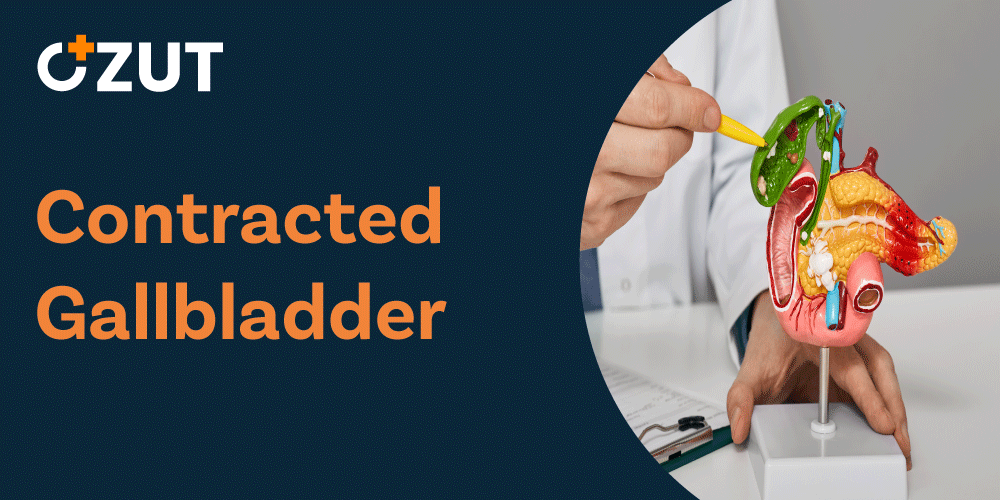
Contracted Gallbladder: Causes, Symptoms, and Treatment Options
A contracted gallbladder occurs when this small organ shrinks in size, potentially becoming invisible on imaging tests. This contraction can interfere with the gallbladder’s normal function in the digestive process. Understanding this condition is important for recognizing when medical attention might be necessary.
What Is the Gallbladder and What Does It Do?
The gallbladder is a small, oval-shaped organ positioned behind the liver. It serves as a storage reservoir for bile, a digestive fluid produced by the liver. Bile plays two crucial roles in your body:
- It helps break down fats and nutrients during digestion
- It assists in removing waste materials from your body
When food leaves your stomach and enters your small intestine, your gallbladder contracts to release bile. This natural contraction is part of normal digestion. The bile then helps break down fats and uses a substance called bilirubin to flush out cholesterol and old red blood cells from your system.
Symptoms of a Contracted Gallbladder
A contracted gallbladder doesn’t always produce noticeable symptoms, especially when it’s simply part of the normal digestive process. However, when the contraction is related to an underlying condition, you might experience several uncomfortable symptoms.
Common Symptoms
When symptoms do occur, they may include:
- Sharp pain in the upper right abdomen or just below the chest
- Pain that radiates to the upper middle back or right shoulder
- Loss of appetite
- Nausea and vomiting
- Diarrhea
- Jaundice (yellowing of the skin and eyes)
The specific symptoms you experience largely depend on what’s causing your gallbladder to contract abnormally. Some people may experience severe, acute symptoms while others might have milder, chronic discomfort.
Causes of Abnormal Gallbladder Contraction
While your gallbladder naturally contracts during digestion, several conditions can cause abnormal contraction that may lead to health issues.
Gallstones
Gallstones are hardened collections of substances like cholesterol or bilirubin that form in your gallbladder. These stones can vary in size from tiny grains to golf ball-sized masses. When gallstones block bile ducts, they prevent your gallbladder from releasing bile properly, which can cause it to contract abnormally.
Chronic Inflammation
Long-term inflammation of the gallbladder, known as chronic cholecystitis, can lead to scarring of gallbladder tissue. This scarring makes it more difficult for the gallbladder to store and release bile effectively, potentially affecting your digestion of certain nutrients and causing the gallbladder to contract improperly.
Cystic Duct Blockage
The cystic duct serves as the pathway for bile to travel between your liver, gallbladder, and the bile ducts that connect your gallbladder to your small intestine. If gallstones or other substances block the cystic duct between the liver and gallbladder, bile cannot be delivered into your gallbladder, causing it to shrink.
Hardened Gallbladder
Also known as porcelain gallbladder, this condition involves calcification of the gallbladder wall, making it hard and rigid. While experts aren’t certain of the exact cause, it may result from numerous gallstones or chronic inflammation. This condition is associated with a higher risk for gallbladder cancer and can affect the organ’s ability to contract normally.
Diagnosing a Contracted Gallbladder
If you’re experiencing symptoms that might indicate gallbladder issues, your healthcare provider will begin with a thorough medical history. They’ll ask about your symptoms, when they started, how often they occur, and if anything makes them better or worse.
Based on this information, your doctor may use several diagnostic methods to identify a contracted gallbladder and determine its cause.
Imaging Tests
Ultrasound
An ultrasound is typically the first imaging test used to examine the gallbladder. This non-invasive procedure provides images of your gallbladder and surrounding structures. You may need to fast before an ultrasound to ensure any contraction isn’t simply due to normal digestion.
A contracted gallbladder will be very difficult or impossible to see on ultrasound images. The ultrasound can also reveal inflammation or gallstones that might be causing your symptoms.
the company Scan
If your gallbladder isn’t visible on an ultrasound, your doctor may order a the company scan. This provides cross-sectional images of your abdomen, potentially offering a better view of your gallbladder and any abnormalities.
Blood Tests
A complete blood count and liver function tests can help your doctor diagnose underlying conditions that may affect your gallbladder function. These tests can identify issues such as jaundice, pancreatitis, and complications caused by gallstones or bile duct blockage.
the company Test
The hepatobiliary iminodiacetic acid (the company) scan is a specialized test that can evaluate gallbladder function. During this procedure, a radioactive tracer is injected into your arm. This tracer travels to your liver and into your gallbladder along with bile. By tracking the tracer’s movement, your doctor can assess how well your gallbladder is functioning and identify any abnormalities in your biliary system.
Treatment Options for a Contracted Gallbladder
Not every contracted gallbladder requires treatment, especially if it’s not causing symptoms. However, if you’re experiencing discomfort or if the contraction is due to an underlying condition, your doctor might recommend one of several treatment approaches.
Non-Surgical Treatments
Oral Dissolution Therapy
If your gallbladder contraction is caused by cholesterol-based gallstones, your doctor might prescribe medication that helps dissolve these stones as it passes through your gallbladder. This treatment typically takes months to work and is most effective for small stones.
Shockwave Lithotripsy
This procedure uses shock waves to break gallstones into smaller fragments that can pass more easily through the bile ducts. It’s usually recommended when gallstones are small and few in number.
Minimally Invasive Procedures
Endoscopic Retrograde Cholangiopancreatography (the company)
During this procedure, a surgeon uses an endoscope equipped with specialized tools to remove gallstones blocking bile ducts. the company is typically performed when there are only a few gallstones that need to be removed or when stones are lodged in the bile ducts rather than the gallbladder itself.
Surgical Options
Cholecystectomy
In cases where symptoms are severe or recurring, your doctor might recommend removing your gallbladder entirely. This surgery, called cholecystectomy, can be performed in two ways:
- Open cholecystectomy: The surgeon makes an incision in your abdomen to access and remove the gallbladder
- Laparoscopic cholecystectomy: The surgeon makes several small incisions and uses specialized tools and a camera to remove the gallbladder with minimal invasion
Most people can live normally without a gallbladder. After removal, bile flows directly from the liver to the small intestine, rather than being stored in the gallbladder first.
Living With Gallbladder Issues
If you’ve been diagnosed with gallbladder problems, certain lifestyle changes may help manage your symptoms:
- Maintain a healthy weight
- Eat smaller, more frequent meals
- Reduce fat intake, especially saturated and trans fats
- Increase fiber consumption
- Stay hydrated
- Exercise regularly
These changes may help reduce the frequency and severity of symptoms while you and your healthcare provider determine the best course of treatment.
When to See a Doctor
A contracted gallbladder isn’t always cause for concern. If you’re not experiencing any pain or discomfort, it may simply be part of your normal digestive process. However, you should consult a healthcare provider if you experience:
- Severe abdominal pain, especially in the upper right quadrant
- Pain that radiates to your back or shoulder
- Persistent nausea or vomiting
- Yellowing of the skin or eyes
- Fever with abdominal pain
These symptoms could indicate a more serious gallbladder condition that requires prompt medical attention.
Conclusion
A contracted gallbladder can range from a normal part of digestion to a sign of an underlying condition requiring treatment. Understanding the symptoms and causes can help you recognize when to seek medical advice. Most gallbladder conditions respond well to treatment, whether through lifestyle changes, medication, or surgical intervention.
If you suspect you have gallbladder issues, don’t hesitate to consult with a healthcare provider. Early diagnosis and treatment can prevent complications and help you maintain your digestive health. With proper care and management, most people with gallbladder conditions can lead normal, healthy lives.