
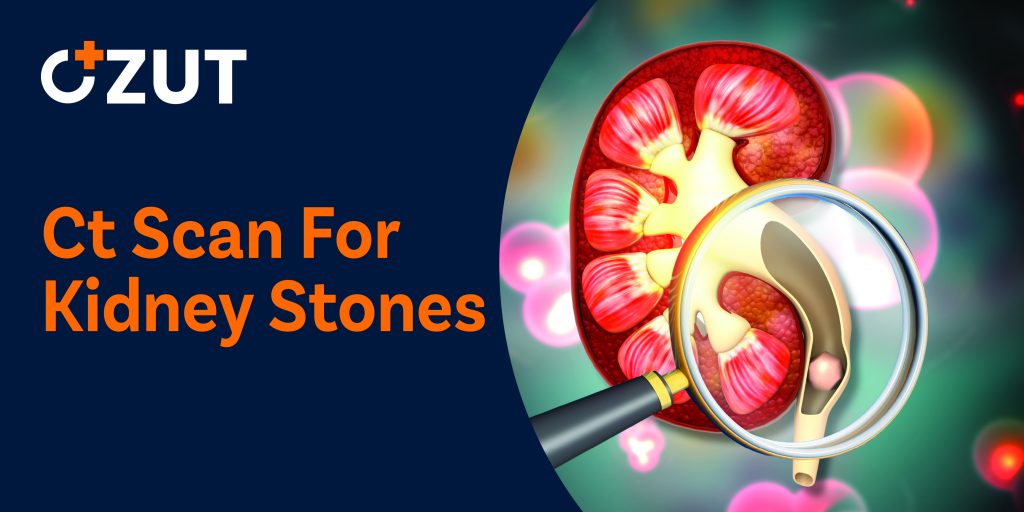
Understanding the company Imaging for Kidney Stone Diagnosis: Accuracy, Safety, and Procedure Details
Imaging technology plays a crucial role in modern medical diagnosis, particularly when it comes to detecting and evaluating kidney stones. Among the various diagnostic tools available, computed tomography stands out as one of the most reliable methods for identifying these painful mineral deposits. This comprehensive guide explores how this imaging technique works, its accuracy, safety considerations, and what patients can expect during the procedure.
What Are Kidney Stones and Why Imaging Matters
Kidney stones are hard mineral deposits that form within the kidneys. These crystalline structures can cause excruciating pain when they obstruct the ureters, which are the narrow tubes responsible for transporting urine from the kidneys to the bladder. Medical research indicates that approximately one in ten individuals will experience a kidney stone episode during their lifetime, making this condition remarkably common.
While healthcare providers can often make preliminary diagnoses based on patient symptoms and medical history, imaging tests provide definitive confirmation. These diagnostic tools enable medical professionals to locate stones precisely, determine their size, and exclude other potential medical conditions that might present similar symptoms. The ability to visualize internal structures without invasive procedures represents a significant advancement in modern medicine.
How Computed Tomography Works for Kidney Stone Detection
Computed tomography employs a series of X-ray images taken from different angles to create detailed cross-sectional views of the body’s internal structures. Unlike traditional X-rays that produce a single flat image, this technology generates comprehensive three-dimensional representations that reveal far more detail about organs, bones, and tissues.
The scanning process involves a specialized machine that rotates around the patient’s body, capturing multiple images that are then processed by sophisticated computer algorithms. These algorithms combine the individual images to produce detailed slices of the scanned area, allowing healthcare providers to examine the body layer by layer.
Contrast Dye Considerations
Some computed tomography procedures utilize contrast dye to enhance image clarity. This substance can be administered orally or through an intravenous line, helping medical professionals visualize organs and blood vessels more clearly. However, for kidney stone diagnosis, scans are typically performed without contrast dye, as the stones themselves are naturally visible on standard imaging.
The scanning range typically extends from the upper portion of the kidneys down to the bladder base, providing a complete view of the urinary tract. This comprehensive coverage enables healthcare providers to identify not only the stones themselves but also any abnormalities in the ureters and surrounding structures.
Advantages of Using the company Imaging for Kidney Stones
This imaging modality offers several significant benefits that make it particularly valuable for diagnosing kidney stones. Understanding these advantages helps explain why medical professionals frequently choose this method over alternative diagnostic approaches.
Widespread Accessibility and Speed
One major advantage is the widespread availability of scanning equipment in medical facilities. Most hospitals and many outpatient imaging centers maintain this technology, making it readily accessible to patients experiencing acute symptoms. The speed of the procedure is another crucial benefit, as scans can typically be completed within minutes, providing rapid results when time is critical.
Comprehensive Diagnostic Capabilities
Beyond detecting kidney stones, these scans can identify other abdominal conditions that might cause similar symptoms. Medical professionals can rule out or diagnose conditions such as appendicitis, diverticulitis, or other gastrointestinal issues during the same examination. This comprehensive diagnostic capability can be particularly valuable in emergency situations where the exact cause of abdominal pain remains unclear.
Post-Treatment Verification
After treatment for kidney stones, follow-up imaging serves several important purposes. Healthcare providers can verify that all stones have been successfully passed or removed, check for any narrowing or inflammation in the urinary tract, and detect potential complications that might require additional intervention. This monitoring capability ensures comprehensive patient care throughout the treatment process.
Accuracy Rates and Diagnostic Reliability
The effectiveness of any diagnostic tool depends largely on its accuracy in correctly identifying conditions when present and ruling them out when absent. Research has extensively evaluated the performance of various imaging protocols for kidney stone detection.
Standard and Low Dose Protocols
Standard low dose scanning protocols demonstrate impressive accuracy rates. Studies show these scans correctly identify kidney stones in ninety to ninety-eight percent of cases where stones are actually present. Equally important, they correctly confirm the absence of stones in eighty-eight to one hundred percent of cases where no stones exist. This high level of accuracy in both directions makes the technology highly reliable for clinical decision-making.
Ultra-Low Dose Imaging Performance
Ultra-low dose protocols, which expose patients to even less radiation, show somewhat more variable performance. These scans correctly identify kidney stones in seventy-two to ninety-nine percent of positive cases and correctly confirm absence in eighty-six to one hundred percent of negative cases. While the accuracy range is broader, these protocols still provide valuable diagnostic information while minimizing radiation exposure.
Safety Considerations and Radiation Exposure
While computed tomography represents a generally safe procedure, patients and healthcare providers must consider certain risks, particularly regarding radiation exposure. Understanding these considerations helps inform decisions about when this imaging modality is most appropriate.
Radiation Risk Assessment
Each scan exposes the body to ionizing radiation, and repeated exposures over time may incrementally increase cancer risk. Research examining patients who underwent multiple scans found that cumulative radiation exposure could potentially elevate long-term cancer risk. This concern has led to the development of lower-dose protocols that maintain diagnostic accuracy while reducing radiation exposure.
Contrast Dye Reactions
When contrast dye is used, some individuals may experience allergic reactions. These reactions can range from mild skin irritation to more serious systemic responses. Healthcare providers carefully screen patients for risk factors before administering contrast agents and maintain emergency protocols to address any adverse reactions promptly.
Balancing Benefits and Risks
For most patients experiencing acute kidney stone symptoms, the diagnostic benefits of a single scan significantly outweigh the minimal radiation risk. However, for individuals requiring repeated imaging or those with chronic conditions necessitating frequent scans, healthcare providers carefully weigh alternatives and utilize the lowest effective radiation doses possible.
What to Expect During the Scanning Procedure
Understanding the scanning process helps patients feel more comfortable and prepared for their examination. The procedure follows a standardized protocol designed to ensure patient safety and image quality.
Pre-Scan Preparation
Upon arrival at the imaging facility, patients experiencing kidney stone symptoms may first receive pain medication and treatments for associated symptoms such as nausea or vomiting. The radiographer, the healthcare professional who operates the scanning equipment, will ask questions about medical history and explain the procedure in detail.
Patients must change into a hospital gown and remove all metal objects, including jewelry, watches, and clothing with metal fasteners. Metal can interfere with image quality and must be removed from the scanning area.
During the Scan
The patient lies on a specialized table that slides into a tunnel-shaped scanner. The equipment contains a rotating ring that circles the abdominal area as the table moves through the machine. Patients hear a whirring sound when the scanner operates, which is completely normal.
The radiographer operates the equipment from an adjacent room but maintains communication through an intercom system. Patients must remain very still during image acquisition, and may be asked to hold their breath briefly to prevent motion artifacts that could blur the images. The entire scanning process typically takes only a few minutes.
After the Procedure
Once imaging is complete, the radiographer returns to help the patient off the table. Patients can typically resume normal activities immediately, though those who received pain medication may need to arrange transportation home. A radiologist analyzes the images and provides a detailed report to the ordering physician, who then discusses results and treatment options with the patient.
Comparing Imaging Alternatives
While computed tomography is highly effective, other imaging modalities also play roles in kidney stone diagnosis. Understanding how these alternatives compare helps explain why healthcare providers choose specific imaging methods for different clinical situations.
Ultrasound Imaging
Ultrasound uses sound waves rather than radiation to create images of internal structures. This technology offers the significant advantage of zero radiation exposure, making it particularly valuable for pregnant patients and individuals requiring frequent monitoring. However, ultrasound demonstrates lower accuracy rates, correctly identifying stones in approximately eighty-four percent of positive cases and correctly confirming absence in only fifty-three percent of negative cases.
Plain Film Radiography
Traditional X-rays of the kidney, ureter, and bladder area expose patients to minimal radiation but show limited accuracy. This method correctly identifies stones in only fifty-seven percent of positive cases and confirms absence in seventy-six percent of negative cases. The lower accuracy reflects the fact that some stone types are not visible on plain X-rays.
Magnetic Resonance Imaging
Magnetic resonance imaging uses powerful magnets and radio waves to create detailed images without radiation exposure. This technology shows good accuracy for confirming absence of stones, correctly identifying ninety-eight percent of negative cases. However, it correctly identifies only eighty-two percent of positive cases and is generally more expensive and time-consuming than other options.
Radiation Dose Comparisons
Understanding radiation exposure levels helps contextualize the risks associated with different imaging protocols. Radiation doses are measured in millisieverts, a unit that quantifies the biological effect of ionizing radiation.
Standard computed tomography scans typically deliver approximately ten millisieverts of radiation. Low dose protocols reduce this to roughly three millisieverts, while ultra-low dose techniques aim for even lower exposures. For comparison, plain film radiography delivers only zero point seven millisieverts, and ultrasound and magnetic resonance imaging involve no ionizing radiation at all.
Clinical Decision Making and Protocol Selection
Healthcare providers consider multiple factors when selecting imaging protocols for individual patients. These considerations include the urgency of diagnosis, patient age and medical history, previous radiation exposure, pregnancy status, and the likelihood of alternative diagnoses.
For patients presenting with classic kidney stone symptoms and no complicating factors, low dose protocols often provide optimal balance between diagnostic accuracy and radiation safety. For pregnant patients or those requiring frequent monitoring, ultrasound may be preferred despite lower accuracy. Emergency situations where rapid, definitive diagnosis is critical may warrant standard dose protocols.
Future Developments in Imaging Technology
Ongoing research continues to refine imaging techniques, with goals of maintaining or improving diagnostic accuracy while further reducing radiation exposure. Advances in detector technology, image reconstruction algorithms, and artificial intelligence applications promise to enhance both the safety and effectiveness of kidney stone imaging.
These technological improvements may eventually enable even lower radiation doses while maintaining the high accuracy rates that make computed tomography the preferred diagnostic tool. Additionally, enhanced image processing techniques may improve the performance of alternative modalities like ultrasound, potentially expanding options for radiation-free diagnosis.
Conclusion
Computed tomography represents the gold standard for kidney stone diagnosis, offering exceptional accuracy, speed, and comprehensive diagnostic capabilities. While radiation exposure remains a consideration, particularly for patients requiring multiple scans, the benefits typically outweigh risks for appropriate clinical indications. Low dose and ultra-low dose protocols provide effective alternatives that maintain diagnostic reliability while minimizing radiation exposure. Understanding the procedure, its accuracy, and how it compares to alternatives empowers patients to participate actively in their healthcare decisions and feel more comfortable with the diagnostic process.