
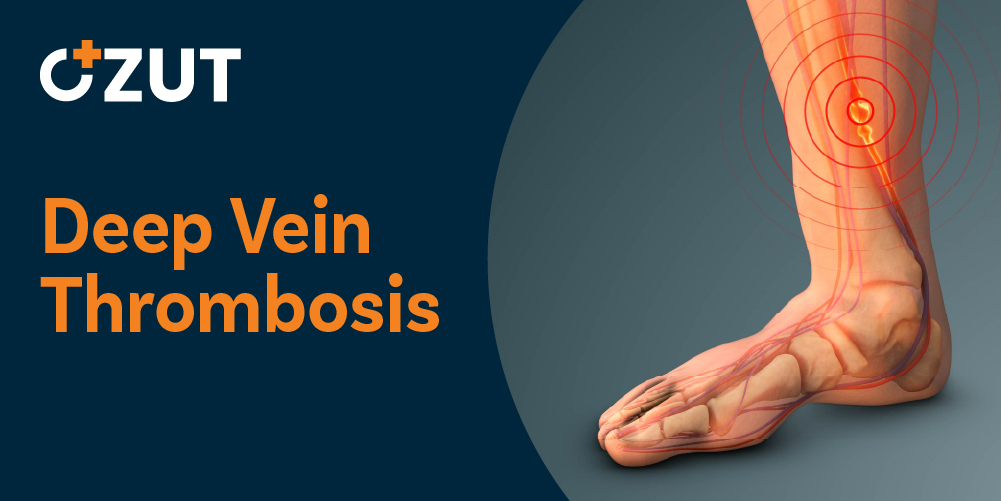
Understanding Deep Vein Thrombosis During Pregnancy: Risks, Symptoms, and Prevention
Deep vein thrombosis represents a significant medical concern that affects thousands of expectant mothers annually. This condition occurs when a blood clot develops within the deep veins of the body, most commonly affecting the lower extremities. While this condition can affect anyone, pregnancy creates unique physiological changes that substantially increase the likelihood of clot formation, making awareness and early detection critically important for maternal health.
What Is Deep Vein Thrombosis
Deep vein thrombosis is a medical condition characterized by the formation of blood clots in the deep venous system of the body. These clots typically develop in the larger veins located deep within the leg muscles, particularly in the calf region. Unlike superficial clots that form near the skin surface, deep vein clots pose serious health risks because they can dislodge and travel through the bloodstream to vital organs.
The formation of these clots results from a combination of factors including reduced blood flow, increased blood clotting tendency, and potential damage to blood vessel walls. During pregnancy, hormonal changes and physical pressure from the growing uterus create conditions that favor clot development, making this period particularly vulnerable for women.
The Serious Complication: Pulmonary Embolism
The most dangerous consequence of deep vein thrombosis occurs when a blood clot breaks free from its original location and travels through the circulatory system. When this clot reaches the lungs, it can obstruct blood vessels, creating a life-threatening condition known as pulmonary embolism. This complication requires immediate emergency medical intervention as it can rapidly become fatal without proper treatment.
Understanding the connection between deep vein thrombosis and pulmonary embolism underscores the critical importance of early diagnosis and prompt treatment. Medical professionals emphasize that any suspected case of deep vein thrombosis should be evaluated immediately to prevent this potentially deadly complication from developing.
Recognizing Warning Signs and Symptoms
Identifying the symptoms of deep vein thrombosis early can be lifesaving. However, it is important to note that this condition does not always present with obvious symptoms, which makes awareness of risk factors equally important. When symptoms do appear, they typically manifest in specific patterns that warrant immediate medical attention.
Primary Symptoms of Deep Vein Thrombosis
The most common indicators of deep vein thrombosis include pain, swelling, and tenderness concentrated in one leg, usually affecting the calf area at the back of the lower leg. This pain often intensifies during walking or when pressure is applied to the affected area. Many patients describe the sensation as a heavy ache accompanied by warmth in the affected region.
Visual changes in the affected leg provide additional warning signs. The skin may appear red or discolored, particularly in the area behind the knee and extending down the lower leg. This discoloration combined with swelling and warmth creates a distinctive presentation that should prompt immediate medical consultation.
While these symptoms typically affect only one leg, bilateral involvement can occasionally occur. During pregnancy, normal physiological changes often cause leg swelling and discomfort, which can make distinguishing between normal pregnancy symptoms and deep vein thrombosis challenging. This overlap emphasizes the importance of seeking medical evaluation when symptoms seem unusual or severe.
Emergency Symptoms Requiring Immediate Action
Certain symptoms indicate that a blood clot may have traveled to the lungs, creating a medical emergency. Sudden difficulty breathing represents the most common warning sign of pulmonary embolism. This breathing difficulty may be accompanied by rapid breathing or a feeling of being unable to get enough air.
Chest pain or tightness, particularly in the chest or upper back region, signals potential pulmonary involvement. This pain may worsen with deep breathing or coughing. The presence of blood in coughed-up material represents another critical warning sign that demands immediate emergency response.
These emergency symptoms require calling emergency services immediately rather than waiting for a scheduled medical appointment. The rapid progression of pulmonary embolism means that minutes can make a crucial difference in outcomes.
Risk Factors During Pregnancy
While deep vein thrombosis remains relatively uncommon during pregnancy, the risk increases significantly compared to non-pregnant individuals of similar age. This elevated risk persists throughout all stages of pregnancy and extends for approximately six weeks following delivery. Understanding personal risk factors helps expectant mothers and healthcare providers implement appropriate preventive measures.
Personal and Family History
Previous experience with blood clots, either personally or within close family members, substantially increases the risk of developing deep vein thrombosis during pregnancy. This history suggests a potential genetic predisposition to clot formation that becomes more pronounced during the physiological changes of pregnancy.
Certain inherited conditions affect blood clotting mechanisms, making some individuals more susceptible to clot formation. These thrombophilic conditions may not cause problems under normal circumstances but can become significant during pregnancy when clotting factors naturally increase.
Age and Body Mass Considerations
Maternal age plays a significant role in deep vein thrombosis risk, with women over thirty-five facing increased likelihood of clot formation. This age-related risk combines with other pregnancy factors to create a cumulative effect on overall risk level.
Body mass index significantly influences deep vein thrombosis risk during pregnancy. Women with a body mass index of thirty or higher face substantially elevated risk compared to women with lower body mass indices. The combination of increased body weight and pregnancy-related changes creates conditions particularly favorable for clot development.
Pregnancy-Specific Risk Factors
Multiple gestation pregnancies, including twins or higher-order multiples, increase the risk of deep vein thrombosis. The additional physiological demands and increased pressure on the venous system from multiple babies contribute to this elevated risk.
Women who have delivered three or more children face higher risk levels, possibly due to cumulative effects on the venous system from multiple pregnancies. Pre-eclampsia, a serious pregnancy complication characterized by high blood pressure and organ dysfunction, also increases the likelihood of clot formation.
Fertility treatments used to achieve pregnancy have been associated with increased deep vein thrombosis risk. The hormonal manipulations involved in these treatments may affect clotting factors and contribute to elevated risk levels.
Medical and Surgical Factors
Recent severe infections or serious injuries, such as broken bones, can trigger inflammatory responses that increase clotting tendency. These acute medical events combined with pregnancy create a particularly high-risk situation for clot development.
Cesarean section delivery carries higher deep vein thrombosis risk compared to vaginal delivery. The surgical nature of this procedure, combined with reduced mobility during recovery, creates conditions favorable for clot formation.
Severe varicose veins, particularly those causing pain or extending above the knee with associated redness or swelling, indicate compromised venous function that increases clot risk. These visible signs of venous insufficiency warrant careful monitoring during pregnancy.
Lifestyle and Circumstantial Factors
Smoking significantly increases the risk of blood clot formation during pregnancy. The harmful effects of tobacco on blood vessels and clotting factors compound the natural pregnancy-related increases in clotting tendency. Smoking cessation programs provide crucial support for pregnant women who smoke.
Dehydration concentrates blood components and reduces blood flow, creating conditions that favor clot formation. Maintaining adequate hydration throughout pregnancy helps optimize blood flow and reduce clotting risk.
Prolonged labor and significant blood loss following delivery represent acute risk factors that require careful monitoring. These circumstances can trigger clotting mechanisms as the body attempts to prevent excessive bleeding, potentially leading to unwanted clot formation in the deep veins.
Treatment Approaches During Pregnancy
When deep vein thrombosis develops during pregnancy, prompt medical treatment becomes essential to prevent clot growth and reduce the risk of pulmonary embolism. The primary treatment involves anticoagulant medication administered through injections, which work to prevent the existing clot from enlarging while allowing the body’s natural mechanisms to gradually dissolve it.
The medication used for treatment does not cross the placental barrier, ensuring that the developing baby remains unaffected by the treatment. This safety profile makes it the preferred treatment option throughout pregnancy. The injections typically continue for the duration of the pregnancy and extend for at least six weeks after delivery to cover the high-risk postpartum period.
Beyond medical treatment, several self-care measures support recovery and reduce complication risk. Maintaining appropriate activity levels, as advised by healthcare providers, helps promote healthy circulation without placing undue stress on the affected area. Prescribed compression stockings provide external support to leg veins, improving blood flow and reducing swelling.
Travel Considerations and Prevention
Extended travel periods, particularly journeys lasting longer than four hours, increase the risk of developing deep vein thrombosis. While research has not definitively established whether pregnancy further amplifies this travel-related risk, implementing preventive measures during travel remains prudent for expectant mothers.
Hydration and Movement Strategies
Maintaining proper hydration during travel helps ensure optimal blood flow and reduces clotting risk. Drinking water regularly throughout the journey counteracts the dehydrating effects of travel environments. Avoiding alcohol consumption, which is already recommended during pregnancy, further supports proper hydration status.
Regular movement during travel plays a crucial role in preventing blood stagnation in the legs. Simple leg exercises, such as ankle flexion and extension, can be performed while seated and help maintain circulation. Many transportation providers offer specific exercise recommendations designed for travelers.
When circumstances permit, standing and walking during travel breaks provides optimal circulation benefits. Taking advantage of refueling stops, rest areas, or safe opportunities to move about the cabin helps counteract the effects of prolonged sitting.
Prevention and Risk Reduction
While not all cases of deep vein thrombosis can be prevented, understanding risk factors and implementing appropriate preventive measures significantly reduces the likelihood of developing this condition during pregnancy. Women with multiple risk factors may benefit from prophylactic anticoagulation therapy, which healthcare providers can prescribe based on individual risk assessment.
Regular prenatal care provides opportunities for ongoing risk assessment and early detection of potential problems. Healthcare providers can monitor for signs of deep vein thrombosis and adjust prevention strategies as pregnancy progresses and circumstances change.
Education about warning signs empowers pregnant women to seek prompt medical attention when concerning symptoms develop. This awareness, combined with appropriate preventive measures and regular medical care, provides the best protection against deep vein thrombosis and its complications during pregnancy.
Conclusion
Deep vein thrombosis represents a serious but manageable complication of pregnancy. Understanding the risk factors, recognizing warning signs, and implementing appropriate preventive measures enable expectant mothers to protect their health and that of their developing babies. Prompt medical attention for concerning symptoms, combined with adherence to treatment recommendations when necessary, ensures the best possible outcomes for women who develop this condition during pregnancy.