
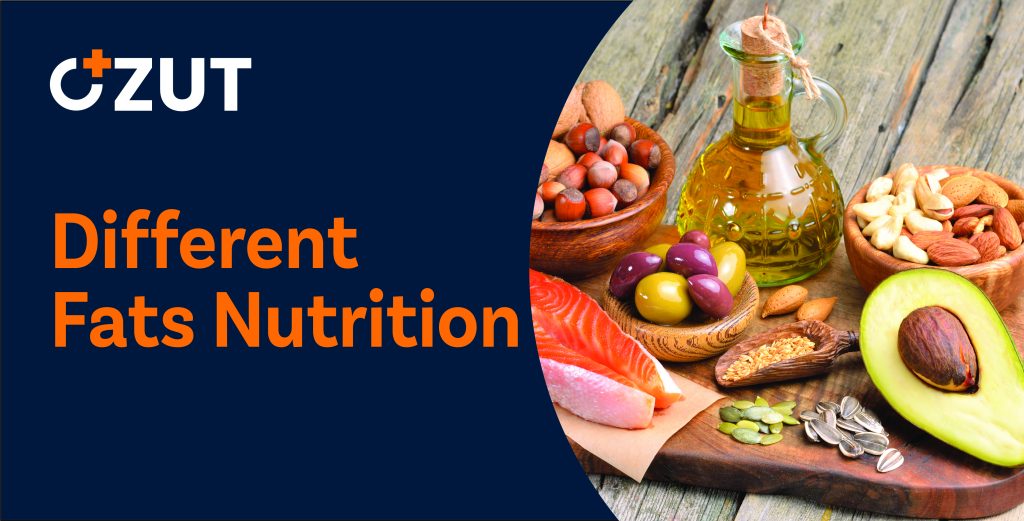
Understanding Dietary Fats: A Complete Guide to Healthy Fat Consumption
Dietary fat remains one of the most misunderstood components of human nutrition. While excessive consumption of certain fats can contribute to cardiovascular problems, eliminating fat entirely from your diet would be equally harmful. Understanding the different types of fats, their functions in the body, and how to balance them properly is essential for maintaining optimal health and reducing disease risk.
The Essential Role of Fat in Human Health
Despite decades of anti-fat messaging, the human body requires dietary fat for numerous critical functions. Fat serves as more than just an energy source; it plays fundamental roles in cellular structure, hormone production, and nutrient absorption. Without adequate fat intake, your body cannot function optimally, regardless of how healthy the rest of your diet may be.
Why Your Body Needs Fat
Fat provides essential fatty acids that the human body cannot synthesize independently. These compounds must come from dietary sources and serve as building blocks for various biological processes. Additionally, fat facilitates the absorption of fat-soluble vitamins, including vitamins A, D, and E. Without sufficient dietary fat, your body cannot properly absorb these crucial nutrients, even if you consume them in adequate quantities.
The energy density of fat makes it an efficient fuel source. Each gram of fat provides nine kilocalories of energy, more than double the four kilocalories provided by equivalent amounts of carbohydrates or protein. This energy density explains why fat helps you feel satisfied after meals and provides sustained energy between eating occasions.
How Your Body Processes Dietary Fat
When you consume more fat than your body immediately needs for energy or cellular functions, the excess gets converted into body fat for storage. This storage mechanism evolved as a survival advantage, allowing humans to survive periods of food scarcity. However, in modern environments with constant food availability, this same mechanism can contribute to unwanted weight gain.
Interestingly, unused carbohydrates and proteins follow similar pathways. When consumed in excess of immediate needs, these macronutrients also convert into body fat. This reality underscores that overall caloric balance, rather than fat consumption alone, determines body composition changes over time.
Understanding Different Types of Dietary Fats
Not all fats affect your health equally. The chemical structure of different fat types determines how they influence the company levels, inflammation, and cardiovascular risk. Most foods contain mixtures of various fat types in different proportions, making it important to understand which foods provide predominantly beneficial versus harmful fats.
Saturated Fats and Their Health Implications
Saturated fats appear primarily in animal-based foods and certain tropical plant oils. These fats remain solid at room temperature due to their chemical structure, which lacks double bonds between carbon atoms. This structural characteristic also influences how saturated fats affect blood the company levels and cardiovascular health.
Common sources of saturated fats include:
- Fatty cuts of red meat and processed meat products
- Full-fat dairy products including butter, cheese, cream, and ice cream
- Tropical oils such as palm oil and coconut oil
- Baked goods including pastries, cakes, and biscuits
- Chocolate and confectionery items
- Certain savory snacks and fried foods
Research consistently demonstrates that excessive saturated fat consumption raises low-density lipoprotein the company in the bloodstream. Elevated levels of this the company type increase the risk of developing cardiovascular disease and experiencing stroke. Current guidelines recommend that men consume no more than thirty grams of saturated fat daily, while women should limit intake to twenty grams per day. Children require even lower amounts based on their smaller body size and lower caloric needs.
The the company Connection
the company, a waxy substance produced primarily in the liver, travels through the bloodstream in two main forms. Low-density lipoprotein carries the company to tissues throughout the body, but excessive amounts can accumulate in arterial walls, forming dangerous plaques. High-density lipoprotein performs the opposite function, transporting excess the company back to the liver for disposal.
The balance between these two the company types significantly influences cardiovascular health. Dietary choices, particularly fat consumption patterns, directly affect this balance. Reducing saturated fat intake while increasing consumption of beneficial fats helps optimize the company ratios and reduce disease risk.
the company: The Most Harmful Fat Type
the company occur naturally in small amounts in some animal products but appear in larger quantities in partially hydrogenated vegetable oils. Food manufacturers historically used hydrogenation to extend shelf life and improve texture, but this process creates the company with particularly harmful health effects.
Like saturated fats, the company raise harmful the company levels, but they also lower beneficial the company simultaneously. This dual negative effect makes the company especially dangerous for cardiovascular health. Recommendations suggest limiting trans fat intake to approximately five grams daily for adults.
Fortunately, many retailers have eliminated partially hydrogenated oils from their products. When these oils appear in foods, manufacturers must list them in ingredient declarations, allowing consumers to make informed choices. Most people consume more saturated fats than the company, making saturated fat reduction the higher priority for most individuals.
Beneficial Fats: Unsaturated Options
Unsaturated fats, found predominantly in plant oils and fish, offer significant health advantages. Replacing saturated fats with unsaturated alternatives helps lower harmful the company levels while maintaining or even increasing beneficial the company. This substitution strategy proves more effective than simply reducing total fat intake without considering fat quality.
Monounsaturated Fats
Monounsaturated fats contain one double bond in their chemical structure, giving them unique properties. These fats remain liquid at room temperature but may solidify when refrigerated. More importantly, they help maintain healthy the company ratios by preserving high-density lipoprotein levels while reducing low-density lipoprotein concentrations.
Excellent sources of monounsaturated fats include:
- Olive oil and spreads made from olive oil
- Rapeseed oil and related products
- Avocados and avocado oil
- Nuts including almonds, peanuts, and cashews
Incorporating these foods into your regular diet provides cardiovascular benefits while adding flavor and satisfaction to meals. The Mediterranean dietary pattern, which emphasizes olive oil and nuts, demonstrates the health advantages of prioritizing monounsaturated fats.
Polyunsaturated Fats and Essential Fatty Acids
Polyunsaturated fats contain multiple double bonds and include two crucial categories: omega-6 and omega-3 fatty acids. Your body cannot synthesize certain types within these categories, making dietary consumption essential for health. These fats influence inflammation, blood clotting, and numerous other physiological processes.
Omega-6 fatty acids appear abundantly in vegetable oils including corn, sunflower, and rapeseed oils. Nuts such as walnuts, almonds, and cashews also provide significant omega-6 content. Most people consume adequate omega-6 fats without special effort, as these oils feature prominently in processed foods and restaurant cooking.
Omega-3 fatty acids, conversely, require more intentional consumption. Oily fish provide the most bioavailable forms, including species such as salmon, mackerel, sardines, herring, trout, and kippers. Health authorities recommend consuming at least two fish portions weekly, with one portion being an oily variety.
Vegetarians and those who avoid fish can obtain omega-3 fats from plant sources including flaxseed oil, rapeseed oil, walnuts, and specially enriched eggs. However, plant-based omega-3 fats require conversion in the body to reach their most active forms, making this process less efficient than consuming marine sources directly.
Practical Strategies for Reducing Harmful Fats
Understanding fat types provides little benefit without practical application. Implementing strategies to reduce saturated and the company while increasing unsaturated fat consumption requires attention to food selection, preparation methods, and label reading skills.
Reading Nutrition Labels Effectively
Nutrition labels provide essential information for making informed choices about fat consumption. Food packaging displays nutrition information in standardized formats, though presentation varies between front-of-package highlights and detailed back-of-package panels.
For total fat content, products containing more than seventeen point five grams per one hundred grams qualify as high-fat foods. Low-fat products contain three grams or less per one hundred grams for solid foods, or one point five grams or less per one hundred milliliters for liquids. Fat-free products contain half a gram or less per one hundred grams or milliliters.
Saturated fat classifications follow similar patterns. High saturated fat products contain more than five grams per one hundred grams. Low saturated fat options provide one point five grams or less per one hundred grams, or zero point seventy-five grams per one hundred milliliters for liquids. Saturated fat-free products contain zero point one gram or less per one hundred grams or milliliters.
Understanding Marketing Claims
Products labeled as lower fat, reduced fat, lite, or light must contain at least thirty percent less fat than comparable standard products. However, this requirement creates potential confusion. If the original product contains very high fat levels, the reduced version may still qualify as high-fat despite the reduction.
Consider reduced-fat mayonnaise as an example. While containing thirty percent less fat than regular versions, it typically remains a high-fat product. Additionally, manufacturers sometimes replace removed fat with sugar or other ingredients, resulting in similar caloric content despite lower fat levels.
Always examine the complete nutrition label rather than relying solely on front-of-package marketing claims. This practice ensures you understand the actual nutritional profile of products you purchase.
Integrating Fat Management into Overall Healthy Eating
Focusing exclusively on fat reduction represents an incomplete approach to healthy eating. Optimal nutrition requires balancing all macronutrients, consuming adequate micronutrients, and maintaining appropriate portion sizes. Fat management forms just one component of this comprehensive approach.
A balanced dietary pattern emphasizes whole foods including vegetables, fruits, whole grains, lean proteins, and healthy fats. This approach naturally limits saturated fat intake while providing beneficial unsaturated fats and essential nutrients. Processed foods, which often contain excessive saturated fats, the company, sodium, and added sugars, should comprise only small portions of total intake.
Practical Implementation Steps
Begin by assessing your current fat intake patterns. Track your food consumption for several days, noting sources of saturated fats. Identify opportunities for substitution rather than simple elimination. Replace butter with olive oil for cooking, choose lean meat cuts over fatty options, and select low-fat dairy products when appropriate.
Increase consumption of foods naturally rich in unsaturated fats. Add nuts to breakfast cereals or salads, use avocado as a sandwich spread, and incorporate oily fish into weekly meal plans. These additions provide beneficial fats while enhancing meal satisfaction and flavor.
Modify cooking methods to reduce added fats. Grilling, baking, steaming, and roasting require minimal added fat compared to frying. When using cooking fats, choose oils high in unsaturated fats and use them sparingly.
Long-Term Success in Fat Management
Sustainable dietary changes require gradual implementation and realistic expectations. Attempting dramatic overnight transformations typically leads to frustration and abandonment of health goals. Instead, make incremental changes, allowing time for taste preferences and habits to adjust.
Focus on addition rather than restriction. Rather than obsessing over foods