
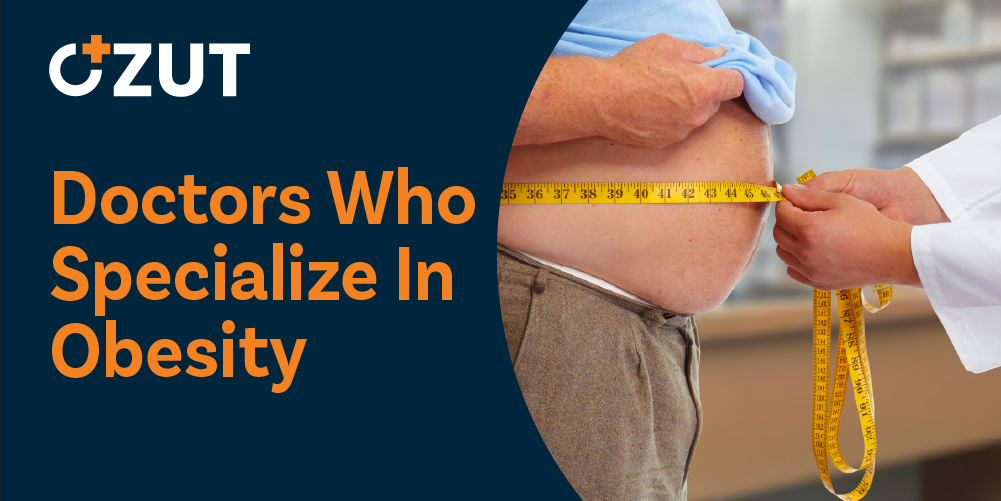
Understanding Medical Specialists for Weight Management and Metabolic Health
Excess body weight represents a multifaceted medical challenge that requires specialized knowledge and comprehensive treatment approaches. While general practitioners can provide initial guidance for weight management, specialized medical providers possess advanced training in addressing weight-related conditions and their associated health complications. These specialists, known as weight management physicians, have extensive expertise in treating metabolic disorders and helping patients achieve sustainable health improvements. Some of these professionals also receive surgical training to perform procedures that support significant weight reduction when medically necessary.
Defining Excess Body Weight and Measurement Standards
Excess body weight occurs when fat accumulation exceeds healthy levels for an individual’s body composition. Medical professionals use body mass index as the primary screening tool to assess weight status. This measurement calculates the relationship between height and weight to estimate body fat percentage. According to established medical guidelines, a measurement between twenty-five and thirty indicates overweight status, while readings above thirty signify clinical concern requiring medical intervention. Healthcare providers can perform these calculations during routine appointments, and patients can also access online calculators to monitor their measurements between visits.
Understanding these numerical thresholds helps individuals recognize when professional medical intervention becomes necessary. The measurement system provides a standardized approach that allows healthcare providers to track changes over time and assess treatment effectiveness. However, medical professionals consider multiple factors beyond these numbers when developing comprehensive treatment strategies, including body composition, muscle mass, and overall health indicators.
The Importance of Specialized Medical Care
Seeking care from specialized medical providers becomes crucial when excess body weight threatens overall health and wellbeing. The condition creates significant risk factors for numerous serious medical complications that can substantially reduce quality of life and longevity. Understanding these potential health consequences emphasizes the importance of professional medical intervention and comprehensive treatment approaches.
Associated Health Complications
Excess body weight contributes to the development of multiple chronic conditions that affect various body systems. These complications include:
- Metabolic disorders affecting blood sugar regulation
- Joint inflammation and degenerative conditions
- Elevated blood pressure readings
- Cardiovascular disease and related complications
- Cerebrovascular events affecting brain function
- Breathing disorders during sleep
- Hepatic dysfunction and disease
- Respiratory conditions including chronic inflammatory airway disease
- Various malignancies affecting multiple organ systems
These interconnected health issues often compound one another, creating complex medical situations that require coordinated treatment approaches. Specialized providers understand these relationships and can address multiple conditions simultaneously through integrated care plans.
When to Seek Specialized Care
Many individuals begin their weight management journey with their primary care physician, who can provide initial guidance and support. However, when standard interventions prove insufficient or when complex medical factors complicate treatment, consultation with specialized providers becomes valuable. These experts bring advanced knowledge, innovative treatment modalities, and evidence-based approaches that may offer solutions when conventional methods have not produced desired results.
What Happens During Initial Consultations
The first appointment with a weight management specialist involves comprehensive evaluation and assessment. This thorough process establishes baseline measurements and identifies factors contributing to weight-related health concerns. Understanding what to expect helps patients prepare for productive initial consultations.
Medical History Review
Specialized providers conduct detailed reviews of patient medical histories during initial visits. This comprehensive assessment examines multiple aspects of health and lifestyle patterns. Providers inquire about dietary patterns throughout life, physical activity levels and exercise habits, and previous attempts at weight reduction including methods used and results achieved. This historical information helps providers understand individual circumstances and identify patterns that may inform treatment planning.
The medical history review also explores family health patterns, medication use, psychological factors, and any previous diagnoses that might influence weight management. This holistic approach ensures that treatment plans address all relevant factors rather than focusing narrowly on weight alone.
Physical Examination Components
The initial physical examination includes multiple measurements and assessments that establish baseline health status. Providers measure body mass index to quantify current weight status, waist circumference to assess abdominal fat distribution, and blood pressure to evaluate cardiovascular health. These measurements provide objective data that guides treatment decisions and serves as comparison points for tracking progress over time.
Diagnostic Testing and Health Assessment
Comprehensive diagnostic testing forms an essential component of specialized weight management care. These tests identify underlying medical conditions, assess metabolic function, and detect complications related to excess body weight. The testing process also helps rule out medical conditions that might contribute to weight gain or complicate treatment efforts.
Standard Laboratory Tests
Providers typically order multiple blood tests during initial evaluation. These laboratory assessments examine blood glucose levels to screen for metabolic disorders, lipid profiles including cholesterol measurements, thyroid hormone levels to assess metabolic function, hepatic enzyme levels to evaluate liver health, and kidney function markers to ensure proper renal performance. Additional testing may include vitamin levels, particularly fat-soluble vitamins that can become deficient in certain conditions.
Cardiovascular and Metabolic Testing
Beyond standard blood work, specialized providers may recommend additional diagnostic procedures. Electrocardiogram testing evaluates heart rhythm and electrical activity, identifying potential cardiac abnormalities. Exercise stress testing assesses cardiovascular function during physical exertion, providing valuable information about exercise capacity and heart health. Resting metabolic rate testing measures calorie expenditure at rest, helping providers understand individual metabolic function and calculate appropriate caloric targets for weight management.
These comprehensive assessments provide detailed information about overall health status and help identify specific factors that may require targeted intervention. The testing results guide treatment planning and help providers monitor health improvements as treatment progresses.
Developing Comprehensive Treatment Plans
Following initial evaluation and diagnostic testing, specialized providers develop individualized treatment plans tailored to each patient’s unique circumstances, medical needs, and personal preferences. These comprehensive plans address multiple aspects of health and lifestyle, creating coordinated approaches that maximize success potential.
Assessment of Readiness and Goal Setting
Effective treatment begins with honest assessment of patient readiness to implement lifestyle changes. Providers evaluate motivation levels, identify potential barriers to success, and help patients establish realistic, achievable goals. This collaborative process ensures that treatment plans align with patient capabilities and life circumstances, increasing the likelihood of sustained adherence and long-term success.
Goal setting involves establishing both short-term milestones and long-term objectives. Providers help patients understand that gradual, steady progress produces better outcomes than rapid, unsustainable changes. Realistic expectations prevent discouragement and support continued engagement with treatment protocols.
Nutritional Planning and Dietary Guidance
Nutrition forms a cornerstone of effective weight management treatment. Specialized providers develop detailed nutritional plans that consider individual preferences, cultural factors, medical restrictions, and practical considerations. These plans emphasize sustainable eating patterns rather than restrictive diets that prove difficult to maintain long-term.
Providers often recommend food diary maintenance, which helps patients develop awareness of eating patterns, identify triggers for unhealthy choices, and track adherence to nutritional guidelines. This self-monitoring tool provides valuable information for both patients and providers, facilitating ongoing plan adjustments and supporting behavioral change.
Physical Activity Recommendations
Exercise and physical activity receive careful attention in comprehensive treatment plans. Providers assess current activity levels, identify appropriate starting points, and develop progressive exercise programs that build capacity over time. These recommendations consider physical limitations, joint health, cardiovascular fitness, and personal preferences to create sustainable activity plans.
The exercise component of treatment plans typically begins conservatively and increases gradually as fitness improves. This approach minimizes injury risk while building confidence and establishing long-term habits that support weight management and overall health.
Behavioral and Psychological Support
Specialized providers recognize that successful weight management requires addressing psychological and behavioral factors. Treatment plans include education about behavior modification techniques, strategies for managing emotional eating, approaches to stress management, and methods for building sustainable healthy habits. Understanding the psychological aspects of weight management helps patients develop skills that support long-term success.
Providers discuss how mental health influences eating behaviors and weight management outcomes. This holistic approach acknowledges that physical health and psychological wellbeing are interconnected, and both require attention for optimal results.
Medication Considerations
When appropriate, specialized providers may recommend pharmaceutical interventions to support weight management efforts. These medications work through various mechanisms to reduce appetite, increase satiety, or affect nutrient absorption. Providers carefully evaluate potential benefits against possible risks, considering individual medical histories and current health status when making medication recommendations.
Medication discussions include detailed information about how treatments work, expected effects, potential side effects, and the importance of combining pharmaceutical interventions with lifestyle modifications. Providers emphasize that medications serve as tools to support comprehensive treatment approaches rather than standalone solutions.
Ongoing Monitoring and Plan Adjustments
Successful weight management requires consistent follow-up and ongoing plan modifications based on progress and changing circumstances. Regular appointments allow providers to monitor health improvements, address challenges, and refine treatment approaches as needed.
Progress Tracking and Health Monitoring
During follow-up visits, providers assess multiple indicators of progress including weight changes, body composition modifications, blood pressure improvements, laboratory value changes, and overall health status enhancements. This comprehensive monitoring ensures that treatment produces desired health benefits beyond simple weight reduction.
Providers also evaluate adherence to treatment recommendations, identify obstacles to success, and provide support for overcoming challenges. This ongoing engagement helps patients maintain motivation and continue progressing toward health goals.
Treatment Plan Modifications
As patients progress through treatment, plans require regular adjustments to maintain effectiveness. Providers modify nutritional recommendations based on changing caloric needs, adjust exercise programs as fitness improves, and alter medication regimens as health status changes. These dynamic adjustments ensure that treatment remains appropriate and effective throughout the weight management journey.
When weight loss plateaus or reversal occurs despite adherence to treatment plans, providers may discuss additional intervention options. For some patients, surgical interventions become appropriate considerations when conservative treatments have not produced sufficient health improvements. Providers carefully evaluate candidacy for such procedures, discussing potential benefits, risks, and long-term implications.
Finding Qualified Weight Management Specialists
Locating qualified specialists who can provide comprehensive weight management care involves several approaches. Primary care physicians often maintain referral networks and can recommend appropriate specialists based on individual patient needs and circumstances. These referrals consider factors such as geographic location, insurance coverage, and specific medical requirements.
Professional medical organizations maintain directories of credentialed providers who have completed specialized training in weight management and metabolic health. These resources allow patients to search for qualified professionals in their geographic areas. Professional certification boards also provide listings of providers who have demonstrated expertise through examination and continuing education requirements.
When selecting a specialist, patients should consider factors including professional credentials and training, experience treating similar cases, treatment philosophy and approaches, communication style and accessibility, and practical considerations such as location and insurance acceptance. Taking time to find the right provider match increases the likelihood of successful long-term treatment relationships.
The Path Forward to Better Health
Addressing excess body weight through specialized medical care represents an investment in long-term health and quality of life. Comprehensive treatment approaches that combine nutritional guidance, physical activity recommendations, behavioral support, and medical interventions when appropriate offer the best prospects for sustainable health improvements.
Success in weight management requires patience, persistence, and partnership with qualified healthcare providers who understand the complex factors influencing body weight and metabolic health. By seeking specialized care, individuals gain access to advanced knowledge, evidence-based treatments, and ongoing support that maximizes the potential for achieving and maintaining healthy weight status.
The journey toward better health through weight management is highly individual, with each person facing unique challenges and circumstances. Specialized providers recognize this individuality and tailor treatment approaches accordingly, creating personalized plans that address specific needs while supporting long-term success. With proper medical guidance and comprehensive care, individuals can overcome weight-related health challenges and achieve meaningful improvements in overall wellbeing.