
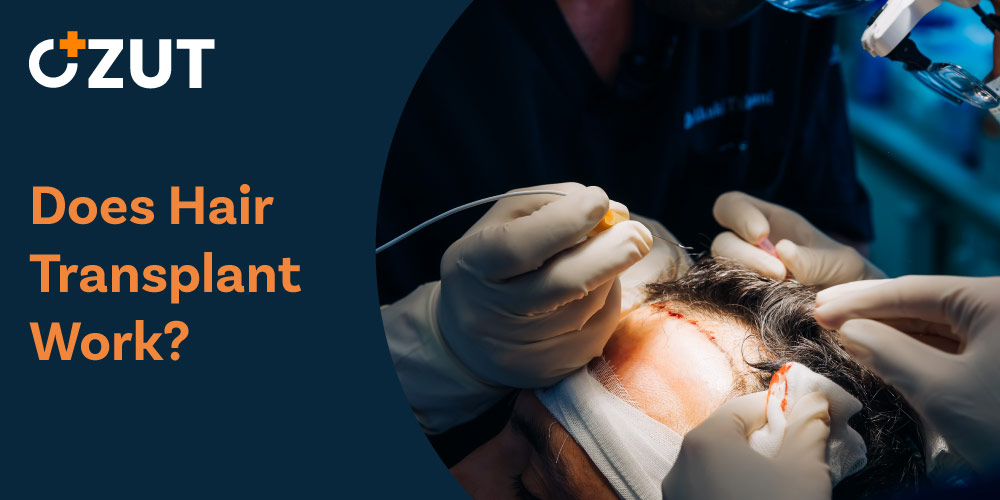
Hair Transplant Procedures: A Comprehensive Guide to Restoration Options
Hair loss affects millions of people worldwide, causing many to seek effective restoration solutions. When topical treatments fail to deliver desired results, hair transplantation emerges as a viable option for many individuals. This surgical procedure has evolved significantly since its inception, offering hope to those experiencing thinning hair or baldness.
The Evolution of Hair Transplantation
Hair transplantation has a rich history dating back to 1939 in Japan, where the first procedure using single scalp hairs was performed. In subsequent decades, medical professionals developed the “plug” technique, which involved transplanting large tufts of hair. This method, while revolutionary at the time, often produced unnatural-looking results.
As techniques advanced, surgeons began implementing mini- and micro-grafts to create more natural-looking outcomes. These refined approaches minimized the artificial appearance of transplanted hair on the scalp, leading to the sophisticated methods we see today.
Understanding How Hair Transplants Work
A hair transplant fundamentally involves taking hair follicles from areas with robust growth and transferring them to thinning or balding sections. The donor site is typically the back of the head where hair tends to be more resistant to balding, though follicles can sometimes be harvested from other body areas.
The procedure works on a simple principle: hair follicles taken from areas not affected by pattern baldness will continue to grow normally when transplanted to balding areas. This approach leverages the patient’s own hair, making it a natural solution for hair restoration.
Success Rates and Expectations
Hair transplants generally show better results than over-the-counter hair restoration products. According to a 2017 study, approximately 10% to 80% of transplanted hair will fully grow back within an estimated 3 to 4 months after the procedure. However, several factors influence the outcome:
- Like natural hair, transplanted hair will thin over time
- Patients with dormant hair follicles may experience less effective results
- A 2022 review suggests that platelet-rich plasma therapy alongside hair transplantation can improve growth outcomes
Candidacy for Hair Transplantation
While hair transplants offer promising results for many, they aren’t suitable for everyone. Ideal candidates typically include those experiencing pattern baldness or thinning hair due to natural causes or injury. The procedure relies on redistributing your existing hair, which means certain conditions may limit effectiveness.
Hair transplants may not be recommended for individuals with:
- Widespread thinning or baldness with insufficient donor hair
- Hair loss resulting from chemotherapy or medications
- Thick scalp scars from injuries or previous surgeries
- Autoimmune disorders affecting the hair follicles
Cost Considerations
The financial aspect of hair transplantation varies significantly based on multiple factors. Typically, procedures range from $4,000 to $15,000, with final pricing dependent on:
- The extent of the transplant procedure required
- Availability and demand for qualified surgeons in your geographic area
- The surgeon’s experience and reputation in the field
- The specific surgical technique selected
- The number of grafts needed to achieve desired results
It’s important to note that since hair transplants are considered cosmetic procedures, health insurance typically doesn’t cover the costs. Additionally, post-procedure medications and aftercare products may add to the overall expense.
Hair Transplant Techniques
Modern hair transplantation primarily employs two sophisticated techniques: the company Unit Transplantation (the company) and the company Unit Extraction (the company). Each method has distinct characteristics and potential benefits depending on individual circumstances.
the company Unit Transplantation (the company)
Also known as the company unit strip surgery (FUSS), this technique involves removing a strip of scalp tissue and dissecting it into individual grafts. The procedure follows these steps:
- The surgeon removes a strip of scalp (typically 6-10 inches long) from the back of the head
- The donor area is closed with stitches
- The removed strip is meticulously divided into smaller grafts, potentially creating up to 2,000 fragments
- Small recipient holes are created in the balding areas
- Individual grafts are carefully placed into these holes
- The surgical sites are covered with protective dressings
The number of grafts used depends on hair type, transplant area size, hair quality, and color. the company typically allows for a large number of grafts in a single session but leaves a linear scar at the donor site.
the company Unit Extraction (the company)
the company offers an alternative approach that avoids the strip harvesting method:
- Hair is shaved in the donor area, typically at the back of the head
- Individual the company units are extracted directly from the scalp using specialized tools
- Small recipient holes are created in the balding areas
- The extracted follicles are carefully placed into these holes
- The surgical sites are protected with appropriate dressings
the company typically results in less noticeable scarring compared to the company, leaving only tiny circular marks where follicles were extracted. This technique may be preferable for patients who wear very short hairstyles or are concerned about linear scarring.
Emerging Technologies
Research continues to advance hair restoration techniques. Stem cell hair transplantation shows particular promise, though it hasn’t yet received regulatory approval. This approach aims to regenerate hair follicles using stem cells, potentially offering solutions for patients with limited donor hair.
The Transplant Procedure Experience
Before beginning a hair transplant, the surgeon prepares by sterilizing and numbing the treatment areas with local anesthetic. Patients may also request sedation to remain comfortable throughout the procedure. The surgery itself may take several hours to complete, depending on the extent of the transplant.
Both the company and the company procedures can be time-intensive, potentially requiring multiple sessions spread across several days for extensive cases. However, patients typically return home the same day, making these outpatient procedures relatively convenient despite their complexity.
Post-Procedure Recovery and Care
After completing the transplant, the surgeon removes protective bandages and may inject anti-inflammatory medications to reduce swelling. Patients commonly experience some discomfort at both the donor and recipient sites.
Immediate Aftercare
In the days following surgery, medical professionals typically recommend:
- Pain relievers to manage discomfort
- Antibiotics to prevent potential infections
- Anti-inflammatory medications to reduce swelling
- Hair growth stimulants such as minoxidil or finasteride
Recovery Timeline and Guidelines
Proper recovery is crucial for optimal results. Patients should follow these guidelines:
- Avoid strenuous physical activities for several days
- Wait a few days before washing hair, then use only mild shampoos for several weeks
- Return to work or normal activities after approximately three days
- Avoid rubbing or applying pressure to the treated areas
- Refrain from using brushes or combs directly on new grafts for about three weeks
- Avoid wearing hats or pullover clothing until medically cleared
- Postpone exercise regimens for approximately one week
What to Expect During Recovery
It’s normal for some transplanted hairs to fall out initially—this is part of the process. Patients should understand that transplanted hair may not grow significantly or blend seamlessly with surrounding hair for several months. The final results typically become visible between 6-12 months after the procedure.
Potential Side Effects and Complications
While hair transplantation is generally safe, patients should be aware of potential side effects, including:
- Unusual sensations or numbness around surgical sites
- Infections requiring medical attention
- Crust formation or drainage around transplanted areas
- Scalp pain, itching, and swelling
- Folliculitis (inflammation of hair follicles)
- Bleeding requiring additional care
- Noticeable inconsistencies in hair density or texture
- Continued hair loss in non-treated areas
Additionally, medications often prescribed alongside transplantation can have their own side effects. Patients should discuss all potential risks with their healthcare provider before proceeding.
Finding a Qualified Hair Transplant Surgeon
Selecting the right medical professional significantly impacts transplant outcomes. When searching for a hair transplant specialist, consider these recommendations:
- Verify the surgeon holds appropriate medical licenses and certifications
- Request to view before-and-after portfolios of previous patients
- Read patient reviews and testimonials about their experiences
- Consult with your primary care physician for referrals to reputable specialists
- Schedule consultations with multiple surgeons to compare approaches
Making an Informed Decision
Hair transplantation represents a significant investment in both financial terms and personal well-being. Before committing to the procedure, a consultation with a qualified surgeon is essential to determine candidacy and set realistic expectations.
Patients should understand that results cannot be guaranteed, and scarring is an inherent risk of surgical procedures. Additionally, not everyone qualifies for transplantation based on their specific hair characteristics and loss patterns.
By thoroughly researching options, understanding the procedures, and working with experienced medical professionals, individuals can make informed decisions about whether hair transplantation is the right solution for their needs. For many patients who qualify, these procedures offer a permanent, natural-looking solution to hair loss that can significantly improve confidence and quality of life.