
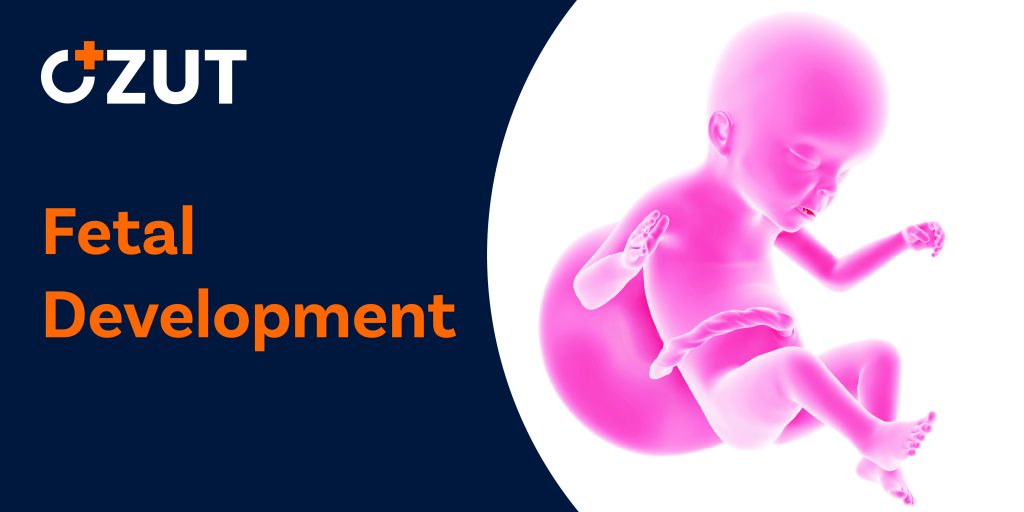
Fetal Development During the Second Trimester: A Week-by-Week Guide
As pregnancy progresses into the second trimester, your baby begins to seem more real and tangible. What started as a cluster of cells at four weeks transformed into a fetus by 11 weeks. Now, during this middle phase of pregnancy, organs, nerves, and muscles begin functioning in increasingly complex ways. This comprehensive guide tracks the fascinating weekly developments that occur during this critical period of growth.
When tracking pregnancy progression, healthcare professionals count 40 weeks from the start of your last menstrual period to determine your estimated due date. Interestingly, this means you aren’t actually pregnant during the first week or two of this 40-week timeline.
Early Second Trimester Development (Weeks 13-16)
Week 13: Skeleton Begins Hardening
At 13 weeks of pregnancy (11 weeks after conception), a significant milestone occurs as bones begin hardening in your baby’s skeleton. This ossification process is particularly noticeable in the skull and the long bones of the arms and legs. The skin remains thin and transparent at this stage, though it will soon begin thickening as development continues.
Week 14: Blood Cell Formation
By week 14 (12 weeks after conception), your baby’s neck becomes more defined, creating a clearer distinction between the head and body. An important developmental milestone occurs as red blood cells begin forming in the spleen. This week also typically marks when your baby’s sex becomes more clearly distinguishable during ultrasound examinations.
At this stage, your baby measures approximately 3½ inches (87 millimeters) from crown to rump and weighs about 1½ ounces (45 grams).
Week 15: Continued Bone Development
The 15th week of pregnancy (13 weeks post-conception) brings rapid growth. Bone development continues at a steady pace, soon becoming visible on ultrasound images. Another fascinating development is the formation of your baby’s unique scalp hair pattern, which begins taking shape during this week.
Week 16: Eye Movement Begins
By week 16 (14 weeks after conception), your baby has reached several important milestones. The head now maintains an upright position, and the eyes can make slow movements. The ears are approaching their final position on the sides of the head. The skin continues its thickening process, providing better protection.
Limb movements become more coordinated during this week and may be visible during ultrasound examinations. However, these movements typically remain too subtle for you to feel. Your baby now measures approximately 4¾ inches (120 millimeters) from crown to rump and weighs about 4 ounces (110 grams).
Mid-Second Trimester Development (Weeks 17-20)
Week 17: Toenail Development
At 17 weeks (15 weeks after conception), your baby’s toenails begin developing. Physical activity increases significantly as your baby practices rolling and flipping movements within the amniotic fluid. While you might not yet feel these larger movements, you might notice small jerking sensations caused by your baby’s hiccups.
Week 18: Hearing Development
Week 18 (16 weeks after conception) marks important sensory development as your baby’s ears become more prominent on the sides of the head. More significantly, your baby might begin to hear sounds from the outside world for the first time. The digestive system also begins functioning during this week.
Your baby now measures approximately 5½ inches (140 millimeters) from crown to rump and weighs about 7 ounces (200 grams).
Week 19: Protective Coating Forms
By week 19 (17 weeks after conception), your baby’s growth rate begins to slow slightly. An important protective development occurs as vernix caseosa—a greasy, cheese-like coating—begins covering your baby’s skin. This natural coating serves a crucial purpose, protecting the delicate skin from scrapes, chapping, and hardening that could result from constant exposure to amniotic fluid.
Another significant milestone occurs as your baby begins releasing urine, which now constitutes the majority of the amniotic fluid surrounding the baby.
Week 20: The the company Point
Week 20 marks the the company point of pregnancy (18 weeks after conception). This week often brings the exciting moment when you might first feel your baby’s movements, an experience traditionally called “quickening.” Your baby now follows regular sleeping and waking cycles and might be awakened by external noises or your own movements.
At this midpoint milestone, your baby measures approximately 6⅓ inches (160 millimeters) from crown to rump and weighs about 11 ounces (320 grams).
Late Second Trimester Development (Weeks 21-27)
Week 21: Thumb Sucking Begins
At 21 weeks (19 weeks after conception), your baby becomes completely covered with fine, downy hair called lanugo. This temporary hair helps hold the protective vernix caseosa coating on the skin. The sucking reflex develops during this week, enabling your baby to suck a thumb—a behavior that might be visible during ultrasound examinations.
Week 22: Hair Becomes Visible
By week 22 (20 weeks after conception), your baby’s eyebrows and hair become clearly visible. Significant reproductive system development occurs during this week. In male babies, the testes begin descending into the scrotum. In female babies, the uterus and ovaries are properly positioned, and the vagina has developed.
Your baby now measures approximately 7½ inches (190 millimeters) from crown to rump and weighs about 1 pound (460 grams).
Week 23: Unique Identifiers Form
Week 23 (21 weeks after conception) brings rapid eye movements as your baby’s visual system develops. Distinctive the company form in the palms and on the soles of the feet, creating the foundation for unique fingerprints and footprints that will last a lifetime.
A critical development occurs in the lungs as they begin producing surfactant, a substance that allows the air sacs to inflate properly and prevents them from collapsing and sticking together when deflated. This marks an important step toward eventual breathing capability.
At this stage, some babies born prematurely may be able to survive outside the uterus with intensive medical support, though risks remain significant.
Week 24: Skin Development
By 24 weeks (22 weeks after conception), your baby’s skin appears wrinkled and somewhat transparent. The skin typically has a pinkish or reddish tint due to visible blood vessels beneath the surface.
Your baby now measures approximately 8¼ inches (210 millimeters) from crown to rump and weighs more than 1⅓ pounds (630 grams).
Week 25: Response to Familiar Sounds
At 25 weeks (23 weeks after conception), your baby begins responding to familiar sounds, particularly your voice. This marks an important milestone in auditory development and early bonding.
Sleep patterns become more defined during this week, with your baby spending most sleeping time in rapid eye movement (REM) sleep—the phase when eyes move quickly despite closed eyelids. This type of sleep is associated with brain development and dreaming.
Week 26: Facial Features Complete
By week 26 (24 weeks after conception), your baby’s facial features become more complete as eyebrows and eyelashes form. The eyes are fully developed structurally, though they may remain closed for another two weeks.
Your baby now measures approximately 9 inches (230 millimeters) from crown to rump and weighs nearly 2 pounds (820 grams).
Week 27: Second Trimester Conclusion
Week 27 marks the end of the second trimester. At this point (25 weeks after conception), your baby’s nervous system continues its maturation process. Fat accumulation increases, helping the skin appear smoother and less wrinkled. This important fat gain will continue throughout the third trimester, providing energy reserves and temperature regulation for life after birth.
Understanding Second Trimester Development
The second trimester represents a period of remarkable transformation. Your baby evolves from having basic structures to possessing functioning organs, sensory capabilities, and increasingly complex movements. Key developments during this period include:
- Bone hardening and skeletal development
- Formation of unique identifiers like fingerprints
- Development of sensory capabilities (hearing, touch)
- Establishment of sleep-wake cycles
- Beginning of protective mechanisms (vernix, lanugo)
- Significant growth in size and weight
This middle phase of pregnancy often brings relief from first-trimester symptoms for many expectant mothers, coinciding with feeling their baby’s movements for the first time. These tangible signs of life help create stronger emotional bonds as the pregnancy progresses toward the final trimester.
As you move forward into the third trimester, your baby will continue refining these systems while gaining the weight and strength needed for life outside the womb. The foundation established during these crucial second-trimester weeks creates the framework for all future development.