
Understanding Fundal Height Measurement During Pregnancy: A Complete Guide
During pregnancy, healthcare providers use various methods to monitor fetal development and ensure both mother and baby are progressing well. One of these important monitoring techniques is the fundal height measurement. This simple yet valuable assessment helps healthcare professionals track fetal growth throughout pregnancy and can provide early indications of potential concerns that may require further investigation.
What Is Fundal Height Measurement?
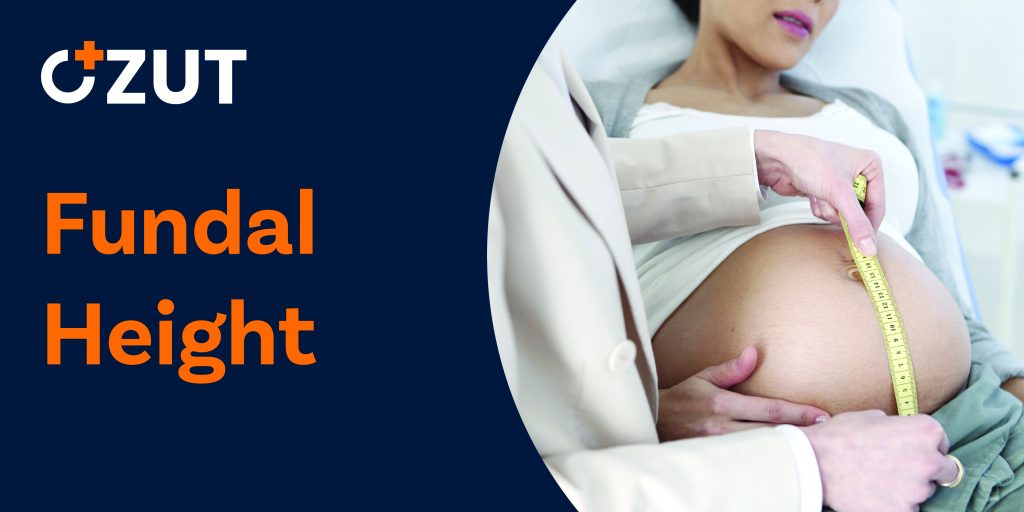
Fundal height measurement is a clinical assessment performed during prenatal check-ups. It involves measuring the distance in centimeters from the top of the pubic bone (symphysis pubis) to the highest point of the uterus (fundus). This measurement helps estimate the size of the developing fetus and provides healthcare providers with information about how the pregnancy is progressing.
The measurement is typically performed using a soft measuring tape. The healthcare provider will ask the expectant mother to lie on her back with her knees slightly bent. Starting at the top of the pubic bone, the provider will extend the tape measure along the midline of the abdomen to the top of the uterus, recording the distance in centimeters.
When Do Fundal Height Measurements Begin?
Healthcare providers typically begin measuring fundal height around the 20th week of pregnancy. Before this point, the uterus is usually still within the pelvis, making accurate measurements difficult. As the pregnancy progresses, these measurements become a regular part of prenatal appointments, allowing providers to track growth patterns over time.
The Centimeter-to-Week Correlation
After the 24th week of pregnancy, fundal height measurements generally follow a predictable pattern. The measurement in centimeters typically corresponds to the number of weeks of pregnancy, with an acceptable variation of plus or minus 3 centimeters. For example:
- At 28 weeks of pregnancy, the fundal height would be expected to measure approximately 28 centimeters (with a normal range of 25-31 centimeters)
- At 32 weeks of pregnancy, the fundal height would be expected to measure approximately 32 centimeters (with a normal range of 29-35 centimeters)
- At 36 weeks of pregnancy, the fundal height would be expected to measure approximately 36 centimeters (with a normal range of 33-39 centimeters)
This correlation provides a simple yet effective way to monitor fetal growth throughout the second and early third trimesters of pregnancy.
Limitations of Fundal Height Measurements
While fundal height measurement is a valuable screening tool, it does have certain limitations that can affect its accuracy. Healthcare providers take these factors into account when interpreting the measurements.
Factors That Can Affect Accuracy
- Maternal body composition: Measurements may be less accurate in women with obesity, as excess abdominal tissue can make it difficult to precisely locate the top of the uterus
- Uterine fibroids: The presence of these common benign growths in the uterus can alter the shape of the uterus and affect measurements
- Fetal position: The way the baby is positioned in the uterus can influence the measurement
- Multiple pregnancies: Carrying more than one baby naturally results in a larger uterus than expected for gestational age
- Amniotic fluid levels: Abnormal amounts of amniotic fluid can affect the size of the uterus
- Late pregnancy: After 36 weeks, fundal height measurements become less reliable as the baby’s head may descend into the pelvis (engagement), resulting in a decrease in the measurement
Additionally, measurements can vary between different healthcare providers due to slight differences in technique. For this reason, having the same provider perform the measurements throughout pregnancy, when possible, can help ensure consistency.
What Abnormal Fundal Height Measurements May Indicate
When fundal height measurements are consistently larger or smaller than expected, or when they show unusual patterns of change, healthcare providers may consider several possible explanations. These variations can sometimes signal conditions that require further investigation.
Smaller Than Expected Measurements
If the fundal height consistently measures smaller than expected for gestational age, it might indicate:
- Fetal growth restriction: This occurs when a baby is not growing at the expected rate. The medical term for this condition is fetal growth restriction (FGR) or intrauterine growth restriction (IUGR)
- Oligohydramnios: This condition involves having too little amniotic fluid surrounding the baby
- Incorrect dating of the pregnancy: The pregnancy may not be as far along as initially calculated
- Fetal position: Sometimes the baby’s position, particularly if they are lying horizontally (transverse lie), can result in smaller measurements
Larger Than Expected Measurements
Conversely, if the fundal height consistently measures larger than expected for gestational age, it might suggest:
- Multiple pregnancy: Carrying twins, triplets, or more will naturally result in a larger uterus
- Polyhydramnios: This condition involves having too much amniotic fluid around the baby
- Gestational diabetes: This condition can sometimes lead to increased fetal growth
- Uterine fibroids: These benign growths can increase the size of the uterus
- Incorrect dating of the pregnancy: The pregnancy may be further along than initially calculated
Follow-Up to Abnormal Measurements
When fundal height measurements fall outside the expected range, healthcare providers typically recommend additional assessment to investigate potential causes. The most common follow-up is an ultrasound examination.
The Role of Ultrasound
Ultrasound imaging provides a more detailed assessment of fetal growth and development than fundal height measurement alone. During an ultrasound, the technician or healthcare provider can:
- Measure specific fetal body parts to assess growth more precisely
- Evaluate the amount of amniotic fluid present
- Check the position of the baby and placenta
- Detect multiple pregnancies if present
- Identify potential structural abnormalities
Based on ultrasound findings, healthcare providers can determine whether the variation in fundal height represents a normal variation or indicates a condition requiring intervention or closer monitoring.
The Importance of Consistent Monitoring
Rather than focusing solely on a single measurement, healthcare providers track the pattern of fundal height growth over time. A steady increase in measurements that follows the expected curve, even if slightly above or below average, is generally reassuring. Conversely, a sudden change in the growth pattern or measurements that consistently deviate significantly from the expected range may warrant further investigation.
Complementary Assessment Methods
Fundal height measurement is just one tool in a comprehensive approach to prenatal care. Healthcare providers also rely on other assessment methods, including:
- Regular ultrasound examinations at key points during pregnancy
- Monitoring maternal weight gain
- Tracking fetal movement patterns
- Laboratory tests to assess maternal health
Together, these approaches provide a more complete picture of pregnancy progress than any single measurement alone.
Communicating with Your Healthcare Provider
Understanding fundal height measurement can help expectant parents engage more actively in their prenatal care. If you have questions or concerns about your fundal height measurements, don’t hesitate to discuss them with your healthcare provider. They can explain what your specific measurements mean in the context of your overall pregnancy and address any concerns you might have.
Questions to Consider Asking
- How does my fundal height compare to what’s expected at this stage?
- What might be causing measurements that are larger or smaller than expected?
- Should I be concerned about changes in my fundal height measurements?
- What additional tests might be recommended if my measurements continue to deviate from the expected range?
Remember that fundal height is just one screening tool, not a definitive diagnostic measure. Many women with measurements outside the typical range go on to have perfectly healthy babies.
Conclusion
Fundal height measurement is a simple yet valuable tool that helps healthcare providers monitor fetal growth during pregnancy. While not an exact science, these measurements provide important information about how a pregnancy is progressing and can signal potential concerns that warrant further investigation.
By understanding what fundal height measurement is and why it matters, expectant parents can better participate in their prenatal care and have more informed conversations with their healthcare providers. Remember that variations in measurements are common and often represent normal differences in maternal and fetal characteristics rather than problems with the pregnancy.
Ultimately, fundal height measurement is just one component of comprehensive prenatal care designed to support the health and wellbeing of both mother and baby throughout pregnancy.