
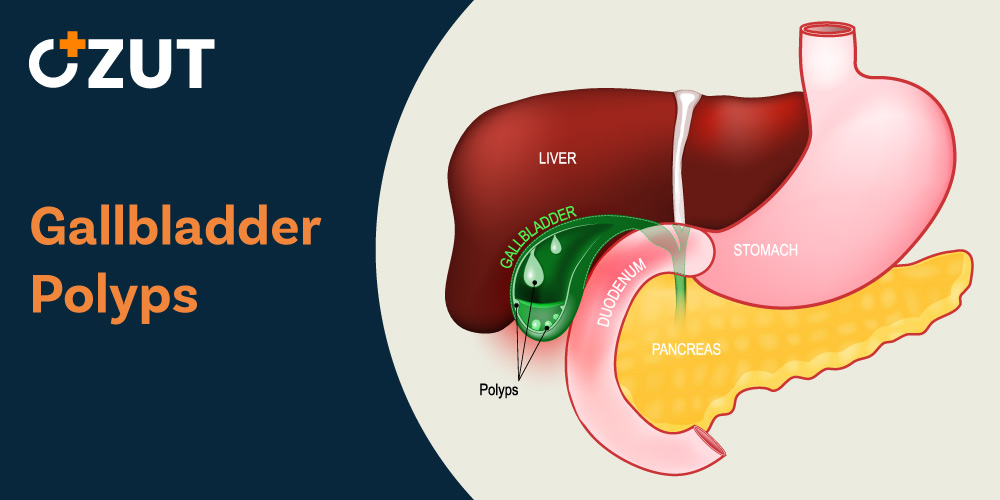
Understanding Gallbladder Polyps: Causes, Symptoms, and Treatment Options
What Are Gallbladder Polyps?
A gallbladder polyp is a small, abnormal growth of tissue with a stalk that protrudes from the inner lining of the gallbladder. These growths are relatively common in the general population. The gallbladder itself is a small, pear-shaped organ located beneath the liver that stores bile and releases it into the small intestine to aid in digestion.
Although some people may worry about cancer when diagnosed with gallbladder polyps, it’s important to understand that approximately 95 percent of these growths are noncancerous (benign). Only about 5 percent of gallbladder polyps are cancerous (malignant), making them a condition that often requires monitoring rather than immediate intervention.
Types and Sizes of Gallbladder Polyps
The size of a gallbladder polyp often serves as an important indicator of whether it might be cancerous. Medical professionals typically categorize gallbladder polyps based on their diameter:
- Small gallbladder polyps (less than 1/2 inch or 10mm in diameter) are typically benign and, in most cases, don’t require treatment beyond regular monitoring.
- Medium-sized gallbladder polyps (between 1/2 inch and 3/4 inch) have a greater likelihood of being malignant or developing into cancer over time.
- Large gallbladder polyps (larger than 3/4 inch or 20mm) have a significantly higher probability of being malignant and typically warrant more aggressive treatment approaches.
Symptoms Associated with Gallbladder Polyps
One of the challenging aspects of gallbladder polyps is that they often produce no noticeable symptoms. In fact, many people with gallbladder polyps remain completely unaware of their condition until the polyps are discovered during medical imaging performed for an unrelated reason.
However, some individuals with gallbladder polyps may experience certain symptoms, particularly if the polyps are larger or if they coexist with other gallbladder conditions such as gallstones. These symptoms might include:
- Upper right abdominal pain or discomfort
- Nausea or vomiting
- Indigestion or acid reflux
- Bloating after meals
- Intolerance to fatty foods
It’s worth noting that these symptoms overlap with many other digestive conditions, making it difficult to attribute them specifically to gallbladder polyps without proper medical evaluation.
Diagnosis of Gallbladder Polyps
Most gallbladder polyps are discovered incidentally during examinations conducted for other health concerns. When a healthcare provider suspects the presence of gallbladder polyps, they may recommend one or more diagnostic tests to confirm the diagnosis and determine the size and characteristics of the polyps.
Common Diagnostic Methods
- Ultrasound : This is the most common and initial imaging test used to detect gallbladder polyps. It uses sound waves to create images of the gallbladder and can identify polyps as small as 4-5mm.
- Endoscopic ultrasound : This more specialized procedure involves inserting a thin, flexible tube with an ultrasound probe through the mouth and into the digestive tract to obtain detailed images of the gallbladder.
- CT scan : This imaging technique provides cross-sectional images of the body and may help identify larger polyps.
- MRI : Magnetic resonance imaging can provide detailed images of the gallbladder and surrounding tissues.
Causes and Risk Factors
The exact cause of gallbladder polyps remains unclear in medical research. However, several factors may increase the risk of developing these growths:
- Age (more common in middle-aged and older adults)
- History of gallstones
- Chronic inflammation of the gallbladder
- Obesity
- High cholesterol levels
- Liver disease
Some research suggests that certain metabolic conditions, including diabetes and metabolic syndrome, may also be associated with an increased risk of developing gallbladder polyps, though more studies are needed to confirm these connections.
Treatment Options for Gallbladder Polyps
The appropriate treatment for gallbladder polyps depends primarily on their size, as this is the most reliable indicator of cancer risk. Healthcare providers typically follow established guidelines when recommending treatment approaches.
Monitoring Small Polyps
For polyps less than 1/2 inch (10mm) in diameter, most medical professionals recommend a watchful waiting approach with regular monitoring. This typically involves scheduling periodic ultrasound examinations to check for any changes in the size or appearance of the polyps that might indicate developing cancer.
The frequency of these follow-up ultrasounds may vary depending on individual risk factors, but often follows a pattern of:
- Every 6 months for the first year after diagnosis
- Annually for the next 3-5 years if no changes are observed
- Less frequent monitoring after 5 years of stability
Surgical Intervention
For polyps larger than 1/2 inch (10mm) in diameter, many healthcare providers recommend surgical removal of the gallbladder, a procedure called cholecystectomy. This approach is often recommended because larger polyps have a higher risk of being or becoming cancerous.
Surgery may also be recommended regardless of polyp size if:
- The patient also has gallstones
- The polyp is growing rapidly between ultrasound examinations
- The patient has risk factors for gallbladder cancer
- The patient is experiencing significant symptoms
Most gallbladder removals today are performed laparoscopically, meaning they use small incisions and specialized instruments, resulting in shorter recovery times compared to traditional open surgery.
Complementary Approaches and Lifestyle Considerations
While conventional medical treatment focuses on monitoring or surgical intervention, some individuals seek complementary approaches to manage their condition. It’s important to note that these approaches are not supported by robust clinical research and should be discussed with a healthcare provider before implementation.
Dietary Modifications
Some dietary changes that are sometimes suggested include:
- Reducing intake of fried or fatty foods
- Limiting high-cholesterol foods
- Avoiding processed and ultra-processed foods
- Reducing consumption of full-fat dairy products
- Limiting carbonated beverages
- Increasing consumption of fruits and vegetables
- Adding foods rich in omega-3 fatty acids
- Incorporating anti-inflammatory ingredients like ginger and turmeric
While these dietary changes may support overall gallbladder health, there is no scientific evidence that they can reduce or eliminate gallbladder polyps specifically.
Other Complementary Approaches
Some individuals explore other approaches such as:
- Drinking certain juices (like pear or beet juice)
- Consuming plant-based oils on an empty stomach
- Applying external heat therapy
Again, these methods lack scientific validation for treating gallbladder polyps and should not replace medical advice or conventional treatment approaches.
Prognosis and Long-term Outlook
The prognosis for individuals with gallbladder polyps is generally excellent. The vast majority of gallbladder polyps (approximately 95%) are benign and will not develop into cancer. For those who undergo gallbladder removal, the body adapts to function without this organ, with bile flowing directly from the liver to the small intestine.
After gallbladder removal, some individuals may experience temporary digestive changes, such as more frequent bowel movements or increased sensitivity to certain foods, but these symptoms typically resolve within a few weeks or months as the body adjusts.
When to Seek Medical Attention
If you’ve been diagnosed with gallbladder polyps, it’s important to follow your healthcare provider’s recommendations for monitoring and follow-up. Additionally, you should seek prompt medical attention if you develop:
- Severe or persistent abdominal pain, especially in the upper right quadrant
- Yellowing of the skin or eyes (jaundice)
- High fever with chills
- Persistent nausea or vomiting
- Dark urine or light-colored stools
These symptoms could indicate complications related to the gallbladder or bile ducts that require immediate evaluation.
Conclusion
Gallbladder polyps are common growths that are typically discovered incidentally during medical imaging. While the vast majority are benign, their management depends largely on their size, with smaller polyps generally requiring only monitoring and larger polyps often necessitating surgical removal of the gallbladder.
If you’ve been diagnosed with gallbladder polyps, work closely with your healthcare provider to determine the most appropriate monitoring or treatment plan based on your specific situation. With proper medical care and follow-up, most people with gallbladder polyps can expect excellent outcomes and minimal impact on their quality of life.