
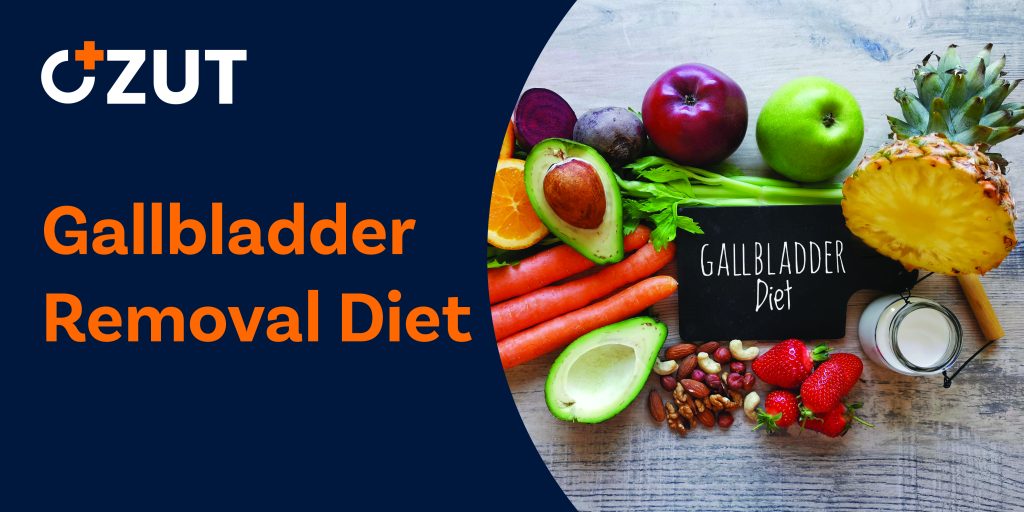
Managing Digestive Changes After Gallbladder Surgery: A Complete Guide
Gallbladder removal surgery, medically known as cholecystectomy, is one of the most common surgical procedures performed worldwide. While this surgery effectively addresses gallbladder-related problems, many patients experience unexpected digestive changes afterward, particularly loose stools and diarrhea. Understanding these changes and knowing how to manage them can significantly improve your quality of life during the recovery period and beyond.
Understanding the Digestive Impact of Gallbladder Removal
The gallbladder serves a specific purpose in the digestive system, acting as a storage reservoir for bile produced by the liver. This small, pear-shaped organ concentrates bile and releases it in controlled amounts when you consume food, particularly fatty meals. Bile plays a crucial role in breaking down dietary fats, making them easier for your body to absorb and utilize.
When the gallbladder is surgically removed, your digestive system must adapt to a new way of processing fats. Without the gallbladder to store and concentrate bile, the liver continues producing bile, but it now flows directly and continuously into the small intestine. This constant drip of less-concentrated bile can create several digestive challenges that many patients experience during their recovery.
Why Digestive Changes Occur
The primary reason for post-surgery digestive issues relates to how bile interacts with your intestines. In a normal digestive system with an intact gallbladder, bile is released in measured amounts that correspond to your food intake. After gallbladder removal, bile flows continuously into the intestines regardless of whether you are eating or not. This continuous flow, combined with the less concentrated nature of the bile, can have a laxative effect on the intestinal tract.
The bile acids in this continuous stream can irritate the lining of the intestines, leading to increased water secretion and faster movement of contents through the digestive tract. This accelerated transit time results in loose stools or diarrhea that many patients report experiencing after their surgery.
Common Digestive Symptoms After Surgery
Most patients who experience digestive changes after gallbladder removal notice symptoms within the first few days to weeks following their procedure. These symptoms typically include frequent loose stools, urgency to use the bathroom, abdominal cramping, bloating, and excessive gas. The severity and duration of these symptoms vary considerably from person to person.
For the majority of patients, these digestive issues are temporary and resolve within a few weeks to a few months as the body adjusts to its new digestive pattern. However, some individuals may experience persistent symptoms that require longer-term management strategies and professional medical guidance.
Dietary Strategies for Managing Post-Surgery Digestion
While there is no single prescribed diet that all patients must follow after gallbladder removal, certain dietary modifications can significantly reduce digestive discomfort and help your body adapt more smoothly to its altered digestive process. These strategies focus on making digestion easier and reducing the factors that contribute to loose stools and diarrhea.
Managing Fat Intake Effectively
Fat consumption plays a central role in post-surgery digestive health. Without a gallbladder to release concentrated bile when needed, your body has a reduced capacity to digest large amounts of fat at one time. When undigested fat reaches the lower intestines, it can cause significant bloating, gas, cramping, and diarrhea.
During the first week after surgery, it is particularly important to minimize your intake of high-fat foods. This includes avoiding fried foods, greasy dishes, fatty cuts of meat, rich sauces, gravies, and full-fat dairy products. Instead, focus on selecting fat-free or low-fat alternatives whenever possible.
When reading food labels, look for products that contain no more than three grams of fat per serving. Pay careful attention to serving sizes, as manufacturers sometimes list nutritional information for unrealistically small portions. By keeping your fat intake low during the initial recovery period, you give your digestive system time to adjust to its new functioning.
The Role of Dietary Fiber
Increasing dietary fiber can help regulate bowel movements and add bulk to stools, making them more formed and less watery. However, the type of fiber you consume and how quickly you increase your intake both matter significantly.
Soluble fiber, found in foods like oats, barley, apples, carrots, and beans, dissolves in water to form a gel-like substance that can help firm up loose stools. This type of fiber is generally better tolerated than insoluble fiber during the initial recovery period. Gradually incorporating soluble fiber into your diet can improve digestive regularity without causing excessive gas or cramping.
The key to successfully increasing fiber intake is doing so slowly and progressively. Adding too much fiber too quickly can worsen gas, bloating, and abdominal discomfort. Aim to increase your fiber intake gradually over several weeks, allowing your digestive system to adapt at each stage.
Meal Frequency and Portion Control
Eating smaller, more frequent meals throughout the day can significantly improve digestion after gallbladder removal. This eating pattern ensures a better balance between the food you consume and the bile available to digest it. Instead of eating three large meals, consider dividing your daily food intake into five or six smaller meals.
Each meal should be balanced and include appropriate portions of lean protein, vegetables, fruits, and whole grains. Lean protein sources include skinless poultry, fish, legumes, and fat-free or low-fat dairy products. These foods provide essential nutrients without overwhelming your digestive system with excessive fat.
Foods to Limit or Avoid
Certain foods and beverages are known to worsen diarrhea and should be limited or avoided, especially during the initial recovery period. Understanding which foods may trigger symptoms allows you to make informed dietary choices that support your digestive health.
Caffeine and Stimulants
Caffeine acts as a stimulant to the digestive system, increasing intestinal motility and potentially worsening diarrhea. Coffee, tea, energy drinks, and caffeinated sodas can all contribute to loose stools and increased bathroom urgency. Consider switching to decaffeinated alternatives or herbal teas during your recovery period.
Dairy Products
Many people experience temporary lactose intolerance or increased sensitivity to dairy products after gallbladder surgery. Milk, cheese, ice cream, and other dairy items can trigger or worsen diarrhea in some patients. If you notice that dairy products seem to aggravate your symptoms, try eliminating them temporarily and then reintroducing them gradually to assess your tolerance.
High-Sugar Foods
Very sweet foods, including candy, pastries, sweetened beverages, and desserts, can draw water into the intestines and worsen diarrhea. These foods also provide little nutritional value and can contribute to other health problems. Limiting your intake of high-sugar foods can help stabilize your digestive system and support overall health.
Building a Sustainable Eating Plan
As you move beyond the initial recovery period, you can gradually expand your diet and test your tolerance for different foods. Keep a food diary to track what you eat and any symptoms you experience. This record can help you identify specific trigger foods and patterns that affect your digestion.
Most people find that they can eventually return to a relatively normal diet, though some may need to continue limiting certain high-fat foods or other trigger items. The goal is to find a sustainable eating pattern that provides adequate nutrition while minimizing digestive discomfort.
When to Seek Professional Medical Guidance
While digestive changes are common after gallbladder removal, certain symptoms warrant professional medical attention. You should consult a healthcare provider if your diarrhea persists beyond a few months, becomes progressively worse, or is accompanied by other concerning symptoms.
Unintentional weight loss, severe abdominal pain, fever, blood in stools, or signs of dehydration all require prompt medical evaluation. These symptoms may indicate complications or conditions that require specific treatment beyond dietary modifications.
Medical Treatment Options
Healthcare professionals have several treatment options available for persistent post-surgery diarrhea. Medications that slow intestinal movement can help reduce the frequency and urgency of bowel movements. These medications work by decreasing the speed at which contents move through the digestive tract, allowing more time for water absorption and resulting in firmer stools.
Another class of medications works by binding to bile acids in the intestines, reducing their laxative effect. These bile acid sequestrants can be particularly effective for patients whose symptoms are primarily caused by bile acid diarrhea. Your healthcare provider can determine whether these medications are appropriate for your situation.
Nutritional Supplementation
Some patients may benefit from taking a daily multivitamin supplement after gallbladder removal. Chronic diarrhea can interfere with the absorption of fat-soluble vitamins and other essential nutrients. A comprehensive multivitamin can help ensure that your body receives adequate nutrition even if absorption is temporarily impaired.
Discuss supplementation with your healthcare provider, who can recommend appropriate products and dosages based on your individual needs and any nutritional deficiencies identified through blood tests.
Long-Term Digestive Health After Surgery
For most patients, the digestive system gradually adapts to functioning without a gallbladder. The liver continues producing bile, and the bile ducts may expand slightly to accommodate increased bile flow. Over time, many people find that their tolerance for various foods improves and their digestive symptoms diminish significantly.
Maintaining healthy lifestyle habits supports long-term digestive wellness. Regular physical activity, adequate hydration, stress management, and consistent sleep patterns all contribute to optimal digestive function. These habits, combined with mindful eating practices, can help you maintain digestive comfort and overall health in the years following your surgery.
Practical Tips for Daily Management
Successfully managing post-surgery digestion involves more than just dietary changes. Consider these practical strategies to support your digestive health throughout the recovery process and beyond.
Stay well hydrated by drinking plenty of water throughout the day. Adequate hydration is especially important if you are experiencing frequent loose stools, as diarrhea can lead to fluid loss and dehydration. Aim for at least eight glasses of water daily, and increase your intake if you are physically active or experiencing significant digestive symptoms.
Eat slowly and chew your food thoroughly. Taking time to eat mindfully allows your digestive system to process food more efficiently and can reduce symptoms like bloating and gas. Put down your utensils between bites and focus on the taste and texture of your food rather than rushing through meals.
Keep healthy snacks readily available so you can maintain your smaller, more frequent eating pattern even when you are busy or away from home. Portable options like fresh fruit, raw vegetables, whole grain crackers, and nuts in moderation can help you stick to your eating plan.
Embracing Your New Normal
Adjusting to life after gallbladder removal requires patience, experimentation, and self-compassion. While the initial recovery period may present challenges, most people successfully adapt and return to enjoying a wide variety of foods and activities. By implementing appropriate dietary strategies, staying attuned to your body’s signals, and seeking professional guidance when needed, you can navigate this transition successfully and maintain excellent digestive health for years to come.