
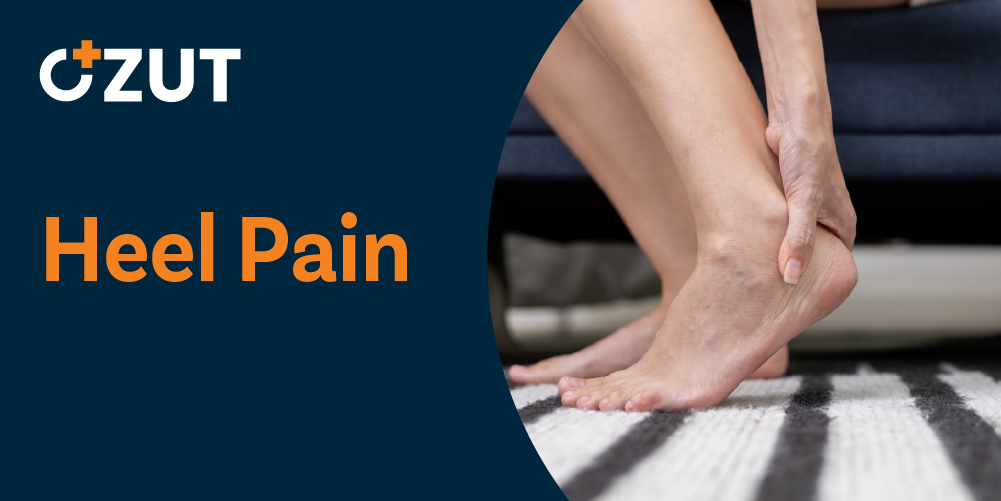
Understanding Heel Pain: Causes, Symptoms, and Effective Treatment Strategies
Heel pain represents one of the most common musculoskeletal complaints affecting millions of people worldwide. This debilitating condition can significantly impact daily activities, mobility, and overall quality of life. Understanding the underlying causes, recognizing symptoms, and implementing appropriate treatment strategies are essential steps toward achieving lasting relief and preventing recurrence.
Primary Causes of Heel Discomfort
Heel pain typically develops through a combination of mechanical stress, overuse, and lifestyle factors. The heel bone, being the largest bone in the foot, absorbs considerable impact during walking, running, and standing. When subjected to excessive stress or improper biomechanics, various structures surrounding the heel can become inflamed or damaged.
Excessive physical activity stands as a leading contributor to heel pain. Athletes and fitness enthusiasts who suddenly increase training intensity or duration often experience heel discomfort. The repetitive impact forces generated during running, jumping, or high-impact exercises can overwhelm the foot’s natural shock-absorption capabilities, leading to tissue damage and inflammation.
Prolonged standing on hard surfaces creates sustained pressure on heel structures. Individuals whose occupations require extended periods of standing, such as retail workers, healthcare professionals, and manufacturing employees, face elevated risk. The constant compression prevents adequate blood flow and recovery, gradually weakening supportive tissues.
Body weight plays a significant role in heel health. Excess weight increases mechanical load on the feet, particularly the heels. Each additional pound translates to multiplied forces during walking and standing, accelerating wear on heel structures and increasing inflammation risk.
Common Heel Pain Conditions and Their Symptoms
Plantar Fasciitis
Plantar fasciitis represents the most prevalent cause of heel pain. This condition involves inflammation of the plantar fascia, a thick band of tissue connecting the heel bone to the toes. The characteristic symptom pattern includes the company pain between the arch and heel, particularly noticeable during the first steps after waking or after prolonged sitting.
The pain typically improves with movement as the tissue warms up and stretches, only to return after rest periods. Many individuals experience difficulty raising their toes off the floor, indicating tightness in the plantar fascia. This condition develops gradually, often resulting from repetitive strain, improper footwear, or biomechanical abnormalities.
Achilles Tendonitis
Achilles tendonitis affects the large tendon connecting the calf muscles to the heel bone. This overuse injury produces pain in the back of the heel, extending into the ankle and calf region. The discomfort intensifies during physical activity, particularly activities involving pushing off the foot or climbing stairs.
Morning stiffness commonly accompanies this condition, with the tendon feeling tight and painful upon initial movement. The affected area may appear swollen and feel warm to the touch. Without proper treatment, chronic Achilles tendonitis can lead to tendon degeneration and increased rupture risk.
Heel Fractures and Achilles Tendon Ruptures
Traumatic injuries to the heel require immediate medical attention. A heel fracture typically occurs from high-impact trauma, such as falling from height or motor vehicle accidents. Symptoms include sudden the company pain, significant swelling, visible bruising, and complete inability to bear weight on the affected foot.
Achilles tendon rupture presents with a distinctive popping or snapping sound at the moment of injury. This catastrophic failure of the tendon creates immediate severe pain and makes walking virtually impossible. The calf may appear deformed, and individuals cannot rise onto their toes on the affected side.
Bursitis
Heel bursitis involves inflammation of the small fluid-filled sacs that cushion the heel bone. These bursae reduce friction between bones, tendons, and surrounding tissues. When inflamed, they produce a dull, aching pain accompanied by redness and swelling around the heel.
The pain typically worsens with direct pressure on the heel or during activities that compress the bursa. Poorly fitting shoes, repetitive heel impact, and inflammatory conditions can trigger bursitis. The condition may develop gradually or appear suddenly following injury.
Self-Care Strategies for Heel Pain Relief
Rest and Activity Modification
Adequate rest forms the foundation of heel pain recovery. Reducing or temporarily eliminating activities that aggravate symptoms allows damaged tissues to heal. Elevating the affected heel above heart level when resting promotes drainage of inflammatory fluids and reduces swelling.
Activity modification does not necessarily mean complete inactivity. Low-impact exercises such as swimming or cycling can maintain cardiovascular fitness without stressing the heel. Gradually reintroducing weight-bearing activities as symptoms improve prevents deconditioning while respecting healing timelines.
Cold Therapy Application
Ice therapy effectively reduces inflammation and numbs pain. Applying a cold pack wrapped in a towel to the affected heel for fifteen to twenty minutes provides therapeutic benefits. This treatment should be repeated every two to three hours during acute pain phases.
The cold temperature constricts blood vessels, limiting inflammatory mediator delivery to the injured area. This physiological response decreases swelling and provides temporary pain relief. Frozen vegetable bags work well as improvised ice packs, conforming easily to heel contours.
Footwear Optimization
Proper footwear significantly influences heel pain outcomes. Wide, comfortable shoes with low heels and soft soles distribute pressure evenly across the foot. The toe box should allow natural toe spreading without compression. Adequate arch support prevents excessive pronation that can strain heel structures.
Avoiding high heels and tight, pointed shoes eliminates unnecessary stress on the heel and forefoot. These shoe styles alter natural foot biomechanics, forcing the heel into unnatural positions and concentrating pressure on small areas. Transitioning to supportive footwear often produces noticeable symptom improvement within days.
Orthotic Devices and Padding
Soft insoles and heel pads provide additional cushioning and shock absorption. These devices reduce impact forces transmitted through the heel during walking and standing. Heel cups cradle the heel bone, distributing pressure more evenly and supporting the fat pad beneath the heel.
Custom orthotics address specific biomechanical issues contributing to heel pain. These devices correct abnormal foot mechanics, redistribute pressure, and support the arch. While over-the-counter options work for many individuals, persistent cases may benefit from professionally fitted custom orthotics.
Compression and Support
Wrapping the heel and ankle with an elastic bandage provides compression and support. This technique reduces swelling, limits excessive motion, and reminds individuals to modify activities. The bandage should be snug but not tight enough to restrict circulation or cause numbness.
Compression sleeves designed specifically for heel pain offer convenient alternatives to traditional bandaging. These garments provide graduated compression, supporting the plantar fascia and Achilles tendon while allowing normal range of motion.
Stretching Exercises
Regular gentle stretching exercises improve flexibility and reduce tension in structures affecting the heel. Calf stretches target the gastrocnemius and soleus muscles, reducing pull on the Achilles tendon. Plantar fascia stretches involve pulling the toes back toward the shin, elongating the tissue along the bottom of the foot.
Performing stretches multiple times daily, particularly before the first steps in the morning, prepares tissues for activity. Holding each stretch for twenty to thirty seconds without bouncing allows gradual tissue lengthening. Consistency proves more important than intensity when implementing stretching programs.
Pain Management
Over-the-counter pain relievers help manage discomfort during the healing process. Oral medications reduce systemic inflammation and provide generalized pain relief. Topical gels applied directly to the affected area deliver medication locally with minimal systemic absorption.
Following recommended dosing guidelines prevents adverse effects while maximizing therapeutic benefits. Pain medication should complement other treatment strategies rather than serve as the sole intervention. Persistent pain requiring continuous medication warrants professional evaluation.
Weight Management
For individuals carrying excess weight, gradual weight reduction significantly decreases heel stress. Even modest weight loss produces measurable improvements in heel pain symptoms. Combining dietary modifications with low-impact exercise creates sustainable weight management strategies.
The mechanical advantage gained through weight reduction extends beyond immediate symptom relief. Maintaining healthy body weight prevents future heel problems and reduces risk of other musculoskeletal conditions.
When to Seek Professional Medical Care
Indicators for Healthcare Consultation
Certain symptom patterns and circumstances necessitate professional evaluation. Severe heel pain that prevents normal activities requires assessment to identify underlying causes and implement appropriate treatment. Pain that progressively worsens despite self-care measures indicates the need for medical intervention.
Symptoms persisting beyond two weeks of home treatment warrant professional evaluation. Chronic heel pain may indicate conditions requiring specialized treatment approaches beyond basic self-care strategies. Early professional intervention often prevents progression to more serious complications.
Neurological symptoms such as tingling, numbness, or loss of sensation in the foot require prompt medical attention. These symptoms may indicate nerve compression or damage requiring specific diagnostic testing and treatment. Individuals with diabetes face elevated risk of serious foot complications and should seek evaluation for any heel pain.
Emergency Situations
Severe heel pain following injury demands immediate medical assessment. Accompanying symptoms such as feeling faint, dizzy, or nauseated from pain intensity indicate potentially serious injury. Visible deformity, unusual angles, or shape changes in the ankle or foot suggest fracture or dislocation.
Hearing snapping, grinding, or popping sounds during injury often indicates significant structural damage. Complete inability to walk, stand on tiptoes, or climb stairs points to severe injury requiring urgent care. Substantial swelling and bruising extending into the calf and ankle region may signal fracture or severe soft tissue injury.
Professional Treatment Options
Healthcare providers offer various treatment modalities for heel pain. Physical therapy programs teach specific exercises, stretching techniques, and activity modifications. Therapists may employ manual therapy techniques, ultrasound, or other modalities to accelerate healing.
Podiatrists specialize in foot and ankle conditions, providing expert diagnosis and treatment. These specialists can prescribe custom orthotics, recommend specialized footwear, and perform minor procedures when necessary. Musculoskeletal specialists address biomechanical issues contributing to heel pain.
In some regions, self-referral systems allow direct access to specialized services without requiring initial consultation. These streamlined pathways reduce wait times and facilitate faster treatment initiation. Contacting local healthcare facilities provides information about available self-referral options.
Prevention Strategies
Preventing heel pain proves easier than treating established conditions. Wearing appropriate footwear for specific activities protects heel structures from excessive stress. Gradually increasing exercise intensity and duration allows tissues to adapt without injury.
Maintaining healthy body weight reduces mechanical load on the heels. Regular stretching exercises preserve flexibility and prevent tissue tightness. Alternating between different types of physical activities distributes stress across various structures, preventing overuse injuries.
Replacing worn athletic shoes maintains adequate cushioning and support. Avoiding prolonged standing on hard surfaces whenever possible reduces cumulative heel stress. Taking regular breaks to rest and elevate feet during long standing periods promotes circulation and recovery.