Understanding Herniated Discs: Causes, Symptoms, and Treatment Options
When one of your spinal discs protrudes from its normal position, it’s called a herniated disc (also known as a slipped or prolapsed disc). This common spinal condition can cause significant pain, numbness, and in severe cases, may require surgical intervention. Understanding the nature of this condition can help you seek appropriate treatment and potentially prevent future occurrences.
The Structure of Your Spine
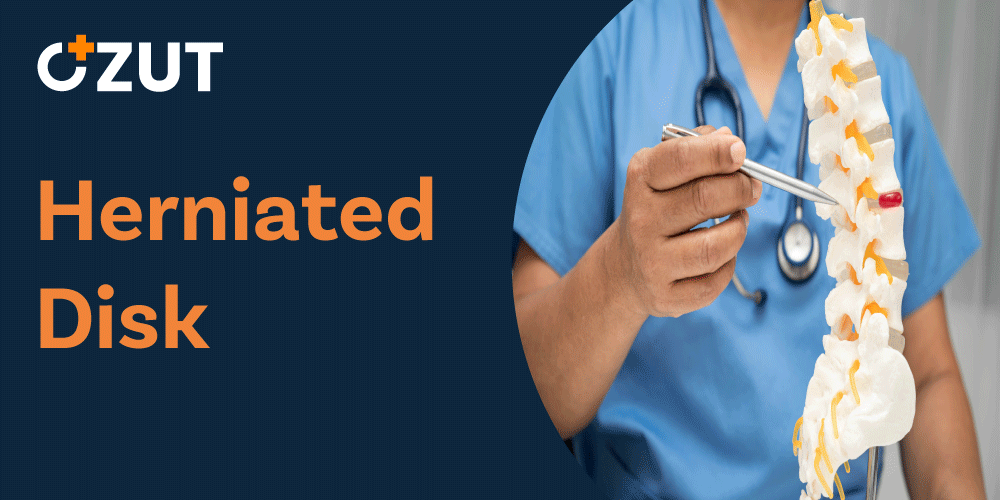
Your spinal column consists of a series of bones (vertebrae) stacked on top of each other. From top to bottom, this column includes seven bones in the cervical spine (neck region), 12 in the thoracic spine (mid-back), and five in the lumbar spine (lower back), followed by the sacrum and coccyx at the base. Between these vertebrae are discs that cushion the bones and absorb shocks from daily activities such as walking, lifting, and twisting.
Each spinal disc has two main components: a soft, gelatinous inner portion (nucleus pulposus) and a tough outer ring (annulus fibrosus). This structure allows the discs to function as effective shock absorbers while maintaining spinal flexibility.
What Is a Herniated Disc?
A herniated disc occurs when injury or weakness causes the inner portion of the disc to protrude through the outer ring. This protrusion can happen in any part of your spine, from your neck to your lower back, though the lumbar region (lower back) is one of the most common areas affected.
Your spinal column contains an intricate network of nerves and blood vessels. When a disc herniates, it can place extra pressure on nearby nerves and muscles, resulting in pain and other symptoms. The severity of symptoms often depends on the location of the herniated disc and whether it’s compressing a nerve.
Common Causes of Herniated Discs
Several factors can contribute to the development of a herniated disc:
- Age-related degeneration: As you age, your discs begin to lose some of their protective water content, making them less flexible and more prone to tearing or rupturing with even minor strain.
- Improper lifting techniques: Twisting or turning while lifting objects, especially heavy ones, can place excessive strain on the spine.
- Physically demanding occupations: Jobs requiring repetitive lifting, pulling, pushing, or bending can increase your risk.
- Excess body weight: Being overweight puts additional pressure on your spinal discs, particularly those in the lower back.
- Sedentary lifestyle: Weak core muscles provide less support for your spine, potentially contributing to disc problems.
- Genetic factors: Some individuals may have a genetic predisposition to developing disc problems.
Herniated discs are more common in men than women and tend to occur most frequently in people between 30 and 50 years of age.
Recognizing the Symptoms
The symptoms of a herniated disc can vary significantly from person to person. Some individuals may experience no symptoms at all, while others may suffer from debilitating pain. The location of the herniated disc also influences the symptoms you might experience.
Common Symptoms Include:
- Pain and numbness, typically affecting one side of the body
- Pain that radiates to the arms or legs, depending on the location of the herniated disc
- Pain that worsens at night or with certain movements
- Increased pain after standing or sitting for extended periods
- Pain when walking even short distances
- Unexplained muscle weakness in the affected area
- Tingling, aching, or burning sensations in the affected area
For herniated discs in the lower back (lumbar region), pain typically affects the buttocks, thighs, and calves. For herniated discs in the neck (cervical region), pain usually radiates down the arms and shoulders.
When to Seek Medical Attention
You should consult a healthcare provider if your pain results in numbness or tingling that affects your ability to control your muscles, or if you experience any loss of bladder or bowel control, which could indicate a rare but serious condition called cauda equina syndrome that requires emergency treatment.
Diagnosing a Herniated Disc
Proper diagnosis is essential for effective treatment of a herniated disc. The diagnostic process typically begins with a thorough physical examination and medical history review.
Physical Examination
During the physical exam, your doctor will check for:
- Nerve function and muscle strength
- Pain responses when moving or touching the affected area
- Reflexes, which may be diminished if nerves are compressed
- Sensory responses to determine areas of numbness or tingling
- Walking ability and posture
Medical History
Your doctor will ask about your symptoms, including when they first appeared and what activities make them worse or better. Information about previous injuries or spine problems is also relevant.
Imaging Tests
To confirm the diagnosis and rule out other conditions, your doctor may order one or more imaging tests:
- X-rays: While they don’t show discs directly, X-rays can rule out other causes of back pain, such as fractures, tumors, or spinal alignment issues.
- MRI (Magnetic Resonance Imaging): This is the most common and accurate test for diagnosing herniated discs. It provides detailed images of the spinal discs and can show exactly where the herniation is occurring and if it’s compressing any nerves.
- CT scan (Computed Tomography): Sometimes used when an MRI isn’t available or possible, CT scans can provide cross-sectional images of the spine.
- Myelogram: This specialized test involves injecting dye into the spinal canal before taking X-rays or CT scans to highlight the spinal cord and nerves.
- Electromyogram (EMG): This test measures electrical impulses produced by nerves and the responses of muscles, helping to determine if nerve damage has occurred.
Potential Complications
Most herniated discs resolve with time and appropriate treatment. However, if left untreated, severe cases can lead to complications:
- Permanent nerve damage: Prolonged pressure on spinal nerves can result in chronic pain, weakness, or numbness in the affected area.
- Cauda equina syndrome: In rare cases, a herniated disc can compress the bundle of nerves at the base of the spine (cauda equina), potentially causing loss of bowel or bladder control. This is a medical emergency requiring immediate intervention.
- Saddle anesthesia: This occurs when the herniated disc compresses nerves that cause you to lose sensation in your inner thighs, the back of your legs, and around the rectum.
Treatment Options
Treatment for a herniated disc ranges from conservative approaches to surgical interventions, depending on the severity of symptoms and how they affect your quality of life.
Conservative Treatments
Most people with herniated discs improve with non-surgical treatments, which may include:
- Rest: Brief periods of rest can help reduce acute pain, but prolonged bed rest is generally not recommended.
- Physical therapy: A structured exercise program can strengthen back and abdominal muscles, improve flexibility, and promote better posture and body mechanics.
- Pain medications: Over-the-counter pain relievers like ibuprofen or naproxen can reduce inflammation and alleviate pain.
- Heat and cold therapy: Alternating between heat and cold applications can help manage pain and reduce inflammation.
- Activity modification: Learning proper body mechanics for lifting and other activities can prevent further injury.
Prescription Medications
If over-the-counter treatments don’t provide adequate relief, your doctor may prescribe stronger medications:
- Muscle relaxants: These can help relieve muscle spasms associated with herniated discs.
- Prescription pain relievers: For severe pain, stronger pain medications may be prescribed for short-term use.
- Nerve pain medications: Drugs like gabapentin or duloxetine can specifically target nerve pain.
- Epidural steroid injections: These injections deliver anti-inflammatory medication directly to the area around the affected nerve roots.
Surgical Options
Surgery may be recommended if conservative treatments fail to relieve symptoms after six weeks or if you experience progressive neurological symptoms like worsening muscle weakness or bladder/bowel dysfunction. Surgical options include:
- Microdiscectomy: This minimally invasive procedure removes the protruding portion of the disc without removing the entire disc.
- Disc replacement: The damaged disc is removed and replaced with an artificial one to maintain motion in the spine.
- Laminectomy: Part of the vertebral bone (lamina) is removed to create more space for the nerves.
- Spinal fusion: After removing the damaged disc, adjacent vertebrae are permanently connected using bone grafts and hardware to provide stability.
Recovery and Outlook
Most people with herniated discs respond well to conservative treatment. Typically, pain and discomfort gradually lessen within six weeks. However, recovery time varies depending on the severity of the herniation, the treatment approach, and individual factors such as age and overall health.
After surgical treatment, recovery may take several weeks to months. Physical therapy is often recommended to help regain strength and flexibility. Most people can return to their normal activities, though some modifications may be necessary to prevent recurrence.
Prevention Strategies
While it may not be possible to prevent all herniated discs, especially those related to aging or genetic factors, you can take steps to reduce your risk:
- Practice proper lifting techniques: Bend and lift from your knees, not your waist. Keep the object close to your body and avoid twisting while lifting.
- Maintain a healthy weight: Excess weight puts additional stress on your spine, particularly in the lower back.
- Stay active: Regular exercise strengthens the muscles that support your spine.
- Improve posture: Good posture reduces pressure on your spine and discs.
- Take breaks: If you sit for long periods, get up and move around regularly to relieve pressure on your spine.
- Strengthen core muscles: Strong abdominal and back muscles help support your spine.
- Quit smoking: Smoking reduces blood flow to the discs, potentially accelerating degeneration.
Understanding herniated discs and taking proactive steps to maintain spinal