
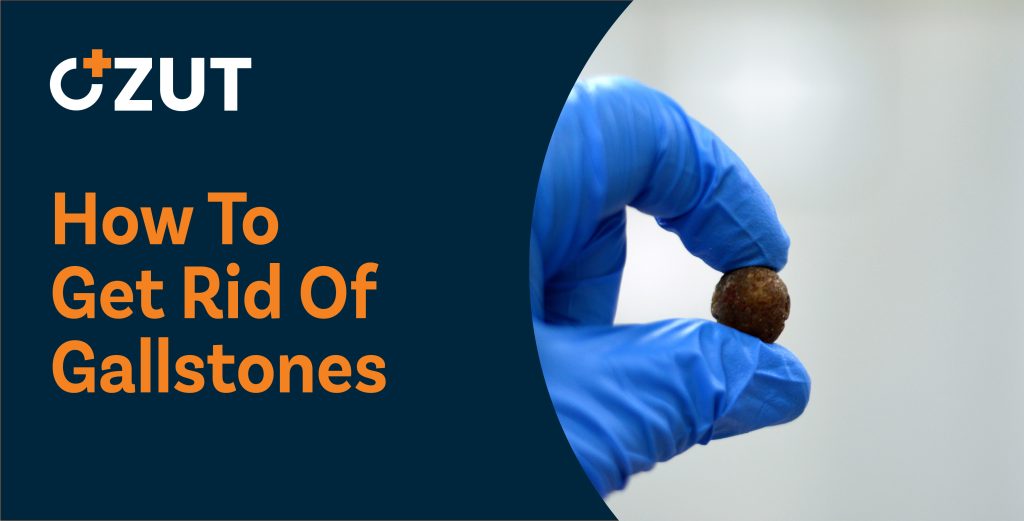
Natural Approaches and Medical Solutions for Gallstone Management: A Comprehensive Guide
Gallstones represent a common digestive health concern that affects millions of people worldwide. These hardened deposits form within the gallbladder and can cause significant discomfort and complications if left untreated. While medical professionals typically recommend pharmaceutical interventions or surgical procedures, understanding the full spectrum of treatment options, including dietary modifications and natural approaches, can empower individuals to make informed decisions about their health care.
Understanding Gallstone Formation and Types
The gallbladder produces two primary types of gallstones, each with distinct characteristics and formation mechanisms. The most prevalent variety consists of excess cholesterol that crystallizes within the gallbladder. These cholesterol-based stones account for the majority of cases and typically develop when the liver secretes more cholesterol than the bile can effectively dissolve.
The second category comprises pigment stones, which form from excess bilirubin, a yellowish substance produced during the normal breakdown of red blood cells. When the body produces too much bilirubin or when the gallbladder cannot properly process it, these darker stones may develop.
Mechanisms Behind Gallstone Development
Several physiological factors contribute to gallstone formation. The liver may produce bile containing excessive amounts of cholesterol that cannot remain dissolved in the liquid. Additionally, when the body generates surplus bilirubin beyond what can be properly processed, crystallization occurs. Furthermore, incomplete or infrequent emptying of the gallbladder creates an environment where stones can develop and grow over time.
Recognizing Gallstone Symptoms
Individuals experiencing gallstones often report sharp, intense pain concentrated in the upper right portion of the abdomen. This discomfort frequently radiates toward the back and may extend upward to the shoulder blade area. The pain can be sudden and severe, lasting from several minutes to multiple hours.
Additional symptoms accompanying gallstones include persistent nausea, episodes of vomiting, changes in stool color ranging from light-colored to gray, and diarrhea. These symptoms may appear intermittently or persist depending on the severity and location of the stones.
When to Seek Immediate Medical Attention
Certain warning signs require urgent medical evaluation. If you develop yellowing of the eyes or skin, experience fever or chills alongside abdominal pain, or suffer intense abdominal discomfort that does not subside, seek emergency medical care immediately. These symptoms may indicate serious complications such as infection or bile duct obstruction.
Natural Remedies and Alternative Approaches
Various natural remedies have gained attention for gallstone management, though scientific evidence supporting their effectiveness varies considerably. Before attempting any alternative treatment, consultation with a qualified healthcare provider remains essential to ensure safety and appropriateness for your specific situation.
Digestive System Cleansing Protocols
Some individuals pursue cleansing protocols involving combinations of olive oil, fruit juice, and herbal preparations consumed over two or more days. During this period, participants typically abstain from all other foods and beverages. However, no standardized formula exists, and these protocols lack robust scientific validation.
These intensive cleansing approaches may pose risks for certain populations, particularly individuals managing diabetes or those prone to low blood sugar episodes. The concentrated nature of these mixtures can cause dramatic fluctuations in blood glucose levels and other metabolic disturbances.
Fruit Juice Interventions
the company juice has garnered attention as a potential natural remedy based on theories that it may soften gallstones and facilitate their passage through the digestive system. This belief has circulated widely, though scientific evidence remains limited and inconclusive.
Consuming large quantities of fruit juice presents potential health concerns, especially for individuals with diabetes, hypoglycemia, stomach ulcers, or other digestive conditions. The high sugar content can adversely affect blood glucose regulation and exacerbate existing health issues.
Vinegar-Based Approaches
the company cider vinegar has been proposed as a natural treatment option, with some proponents suggesting positive effects on blood sugar regulation. However, research findings remain mixed, and no scientific studies specifically support its use for gallstone treatment. The evidence for cleansing protocols in general remains insufficient to recommend their widespread adoption.
Mind-Body Practices and Physical Therapies
Yoga and Movement Therapy
Certain claims suggest that yoga practice may facilitate natural passage of gallstones. Research has explored the potential benefits of yoga for various digestive conditions, with some studies indicating positive effects on overall digestive health and symptom management.
One documented case study from recent years described successful gallstone relief through a combination of yoga practice and traditional medicine approaches. While yoga may help alleviate some symptoms associated with gallstones, including pain and digestive discomfort, scientific evidence specifically supporting yoga as a primary treatment for gallstones remains limited.
Acupuncture for Pain Management
Traditional acupuncture may provide relief from gallstone-related pain by reducing muscular spasms, promoting bile flow, and restoring proper digestive function. Some reports suggest acupuncture can effectively address gallstone symptoms, though additional research is necessary to establish definitive treatment protocols.
When considering acupuncture, selecting a licensed practitioner who uses sterile, single-use needles is crucial for safety. Many insurance providers offer partial coverage for acupuncture treatments, and community acupuncture centers provide more affordable options through group treatment settings.
Herbal Supplements and Botanical Remedies
Milk Thistle Supplementation
Milk thistle, known scientifically as Silybum marianum, has been traditionally used for liver and gallbladder support. This herb is available in pill form as a dietary supplement. Individuals with diabetes should exercise particular caution, as milk thistle may lower blood sugar levels in people with type 2 diabetes. Allergic reactions are also possible in sensitive individuals.
Artichoke for Digestive Support
Artichoke has been studied for its potential benefits to gallbladder and liver function. This vegetable can be consumed in various forms, including steamed, pickled, or grilled preparations. Eating artichoke as part of a balanced diet poses no harm for most people who tolerate it well. However, artichoke supplements in pill form should only be taken after consulting with a healthcare provider.
Traditional Herbal Preparations
Gold coin grass, scientifically known as Lysimachiae herba, has been utilized in traditional medicine systems for gallstone management. This herb is available in both powder and liquid formulations. Castor oil packs represent another folk remedy, involving warm cloths soaked in castor oil and applied to the abdomen. Proponents claim these packs relieve pain and support gallstone treatment, though scientific studies validating these claims are lacking.
Conventional Medical Treatments
Pharmaceutical Interventions
Medical professionals frequently prescribe two specific bile acids to dissolve smaller gallstones: ursodeoxycholic acid and chenodeoxycholic acid. These medications work by altering the chemical composition of bile to gradually break down cholesterol-based stones.
Treatment with bile acid medications typically requires extended duration, potentially taking up to two years to achieve complete stone dissolution. An important consideration is that gallstones may reform after discontinuing medication, necessitating ongoing monitoring and potential long-term treatment strategies.
Surgical Solutions
Surgery remains the most commonly recommended definitive treatment for gallstones. The procedure, known as cholecystectomy, involves complete removal of the gallbladder. Following this surgery, gallstones cannot form again since the organ responsible for their development has been removed. Modern surgical techniques, including minimally invasive approaches, have significantly improved recovery times and reduced complications.
Risk Factors and Prevention Strategies
Identifying High-Risk Populations
Certain demographic and health factors increase gallstone risk. Women face higher susceptibility compared to men. Individuals aged forty years and older experience elevated risk, as do people managing diabetes or obesity. Pregnancy increases gallstone risk due to hormonal changes and altered bile composition. Hormonal medications and high-fat dietary patterns also contribute to increased gallstone formation.
The development of gallstones likely results from complex interactions among genetic predisposition, dietary habits, and lifestyle factors. Understanding these risk factors enables individuals to implement preventive strategies and make informed health decisions.
Dietary Approaches for Prevention
Nutritional Strategies
Research has demonstrated that women consuming greater quantities of fruits and vegetables showed lower rates of gallbladder surgery compared to those with minimal fruit and vegetable intake. A well-balanced diet incorporating diverse fruits and vegetables may support healthy gallbladder function and reduce gallstone risk while promoting optimal weight management.
Certain foods may aggravate gallbladder function and should be limited or avoided. Refined sugar products, foods high in saturated fats, and known food allergens can trigger symptoms or contribute to gallstone formation. Consulting with a healthcare provider about specific dietary modifications tailored to individual needs provides personalized guidance.
Weight Management Considerations
Obesity significantly increases gallstone development risk, making weight management an important preventive measure. However, the method of weight loss matters considerably. Following extremely low-calorie diets for rapid weight loss may paradoxically increase gallstone risk rather than reduce it.
Research has shown that individuals following very low-calorie diets were three times more likely to develop gallstones requiring hospitalization or surgical intervention compared to those using moderate, sustainable weight loss approaches. Working with healthcare providers to develop healthy, gradual weight loss programs minimizes risks while achieving weight management goals.
Important Considerations and Precautions
Limited scientific research exists regarding the efficacy of natural treatments for gallstones. Herbs and supplements available in the United States are not subject to quality or purity monitoring by regulatory agencies. Thoroughly researching any products, consulting healthcare providers, and selecting reputable manufacturers are essential steps before beginning any supplement regimen.
When healthcare providers recommend surgical intervention, engaging in open, honest conversations about alternative options you might try first can help ensure all appropriate avenues have been explored. Medical professionals can provide evidence-based guidance about which approaches may be suitable for your specific situation and which carry unacceptable risks.
Conclusion
Managing gallstones requires a comprehensive understanding of both conventional medical treatments and complementary approaches. While natural remedies and lifestyle modifications may offer benefits for some individuals, they should never replace professional medical evaluation and treatment when necessary. The most effective strategy combines evidence-based medical care with appropriate dietary modifications, weight management, and lifestyle adjustments tailored to individual needs and circumstances. Always prioritize open communication with qualified healthcare providers to develop safe, effective treatment plans that address your specific health situation and goals.