
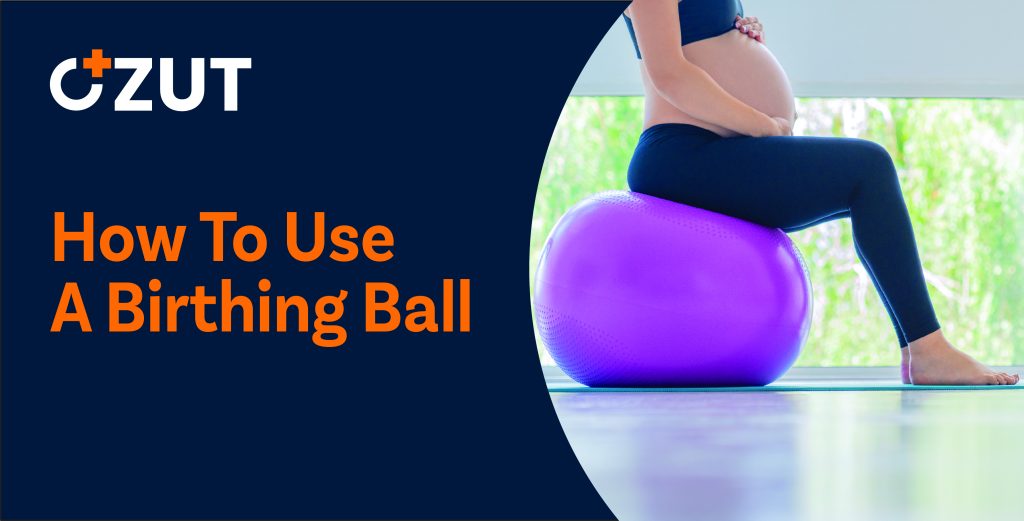
Complete Guide to Using Exercise Balls During Labor and Delivery
Maintaining mobility during labor offers significant benefits for expectant mothers. Exercise balls designed for labor support provide an effective tool for staying active throughout the delivery process while managing discomfort and promoting optimal positioning for childbirth.
These specialized exercise balls serve multiple purposes during labor. They encourage movement and position changes, help reduce pain intensity, and support more upright postures that facilitate the natural progression of delivery. Understanding how to properly select and use these tools can enhance your labor experience significantly.
Understanding Exercise Ball Benefits During Labor
Exercise balls offer numerous advantages for women in labor. The gentle bouncing and rocking motions possible with these tools help distract from contraction pain while promoting relaxation between contractions. The unstable surface encourages subtle movements that can help rotate the baby into optimal positions for delivery.
Using an exercise ball during labor allows you to remain upright and mobile, which works with gravity to help your baby descend through the birth canal. This upright positioning can shorten labor duration and reduce the need for medical interventions. The ball also provides comfortable support for various positions that might otherwise be difficult to maintain during contractions.
The rhythmic movements possible with exercise balls stimulate endorphin release, your body’s natural pain-relieving hormones. This can create a more positive labor experience and help you cope with contractions more effectively. Many women find that gentle circular hip movements on the ball provide significant relief during active labor.
Selecting the Correct Size Exercise Ball
Choosing an appropriately sized exercise ball is crucial for safety and effectiveness during labor. The correct size ensures proper posture and prevents strain on your joints and muscles during an already physically demanding process.
Height-Based Sizing Guidelines
Your height determines the optimal ball diameter for labor use. Women measuring up to one hundred seventy-three centimeters in height should select a sixty-five centimeter diameter ball. Those taller than one hundred seventy-three centimeters require a seventy-five centimeter diameter ball for proper positioning.
When seated correctly on your exercise ball, your knees should rest approximately ten centimeters lower than your hip joints. This positioning creates the optimal angle for pelvic opening and baby descent. If your knees sit higher than your hips, the ball is too small and could cause discomfort or ineffective positioning.
Weight Capacity Considerations
Quality exercise balls designed for labor use can safely support substantial weight. Professional-grade balls undergo pressure testing to ensure they can hold up to three hundred kilograms without compromising structural integrity. This generous weight capacity means women of all body types can use these tools safely during labor.
The weight capacity includes not just your body weight but also the dynamic forces created during movement and bouncing. This safety margin ensures the ball remains stable even during vigorous rocking or bouncing motions that many women find helpful during contractions.
Essential Safety Features
Safety must be the primary consideration when selecting an exercise ball for labor use. The unpredictable nature of labor means your equipment must meet the highest safety standards to prevent accidents during this vulnerable time.
Anti-Burst Construction
The most critical safety feature is anti-burst construction. Exercise balls made with anti-burst materials contain multiple layers that prevent sudden deflation if punctured. Instead of popping explosively, these balls deflate gradually over several minutes, giving you time to safely dismount.
Standard exercise balls without anti-burst construction pose serious injury risks if they fail during use. A sudden pop could cause falls, especially during contractions when your balance and reaction time are compromised. Always verify that any exercise ball intended for labor use explicitly states anti-burst construction in its specifications.
Surface Texture and Grip
The ball surface should provide adequate grip without being uncomfortably textured. A slightly textured surface prevents slipping during use, especially important as perspiration increases during labor. However, overly rough textures can cause skin irritation during extended use.
Some exercise balls feature ribbed or dimpled surfaces that enhance stability. These textured patterns help the ball stay in place on smooth floors and provide better traction for your feet when you’re using the ball for support during standing positions.
Preparing to Use Exercise Balls During Labor
Familiarization with your exercise ball before labor begins is essential for safe and effective use. Practicing during pregnancy builds confidence and muscle memory, making the ball feel natural when you need it most during delivery.
Practice During Pregnancy
Begin using your exercise ball during the third trimester of pregnancy. Start with simple sitting exercises, getting comfortable with the sensation of balancing on the unstable surface. Practice gentle bouncing, hip circles, and rocking motions while holding onto stable furniture for support.
Regular practice helps strengthen your core muscles and improves balance, both beneficial for labor. Spending fifteen to twenty minutes daily on the ball during late pregnancy can also help position your baby optimally for delivery. The gentle pressure and movement encourage the baby to settle into the pelvis in the correct position.
Creating a Safe Environment
Set up your labor space with safety in mind. Place the exercise ball on a non-slip surface, away from sharp objects or furniture corners. Ensure adequate space around the ball for movement in all directions. Keep stable furniture or a partner nearby for support when mounting or dismounting the ball.
Consider placing a yoga mat or non-slip rug under the ball to prevent it from rolling unexpectedly. Good lighting is essential so you can see clearly when changing positions. Remove any obstacles that could cause tripping if you need to move quickly from the ball during labor.
Effective Positioning Techniques
Multiple positioning options exist for using exercise balls during labor. Each position offers different benefits and may feel more or less comfortable depending on your labor stage and personal preferences.
Seated Positions
The basic seated position involves sitting upright on the ball with feet flat on the floor, hip-width apart. This position allows gentle bouncing during contractions, which many women find soothing. The bouncing motion can help your baby descend while the upright posture works with gravity.
From the seated position, you can perform circular hip movements, rotating your pelvis in large circles. This motion helps open the pelvis and can encourage baby rotation into optimal positions. Some women prefer figure-eight hip movements, which combine forward-backward and side-to-side motions.
Leaning slightly forward while seated shifts pressure away from your back and can relieve back labor pain. Place your hands on your thighs or a nearby surface for support. This forward-leaning position also opens the pelvis slightly differently, which may help if labor progress has slowed.
Kneeling Positions
Kneeling in front of the ball and draping your upper body over it provides excellent support during contractions. This position takes weight off your legs while keeping you upright. The ball supports your chest and arms, allowing you to relax your upper body completely.
This kneeling position is particularly helpful for back labor, as it positions your baby away from your spine. You can gently rock forward and backward or side to side while in this position. Many women find this their most comfortable position during transition, the most intense phase of labor.
Standing Support Positions
Using the ball against a wall while standing provides support during contractions without requiring you to bear your full weight. Lean into the ball with your chest or abdomen, using it as a cushion between you and the wall. This position allows you to sway or rock while maintaining an upright posture.
Standing positions with ball support are excellent for early labor when you have energy for more active movement. The upright stance maximizes gravity’s assistance in bringing your baby down. You can easily shift your weight from foot to foot or perform gentle squats while leaning on the ball.
Pain Management Strategies
Exercise balls offer multiple mechanisms for managing labor pain naturally. Understanding these pain relief techniques helps you use the ball most effectively during different labor stages.
Movement and Distraction
Continuous gentle movement on the ball provides distraction from contraction pain. The need to maintain balance engages your mind, reducing pain perception. Rhythmic movements like bouncing or swaying can become meditative, helping you enter a focused state that makes contractions more manageable.
The ball encourages frequent position changes, preventing the discomfort that comes from staying in one position too long. Each position change provides momentary distraction and may offer relief if a particular position was increasing discomfort. This mobility is difficult to achieve with traditional labor positions.
Pressure Relief
The ball’s soft surface distributes your weight evenly, reducing pressure points that develop when sitting on firm surfaces. This even weight distribution prevents numbness and discomfort in your buttocks and thighs during long labors. The slight give of the ball also cushions your perineum, reducing pressure in that sensitive area.
When using the ball in kneeling positions, it relieves pressure on your knees and shins that would otherwise bear your weight. This allows you to maintain comfortable positions for longer periods, important during extended labor when fatigue becomes a factor.
Partner Assistance Techniques
Having a support person assist with exercise ball use enhances safety and effectiveness. Partners can provide physical support, encouragement, and help you maintain beneficial positions during intense contractions.
Providing Physical Support
Partners should position themselves to provide stability when you’re mounting or dismounting the ball. Standing in front of you with hands extended allows you to grip their hands for balance. During contractions, partners can brace the ball from behind to prevent unwanted movement.
When you’re draped over the ball in a kneeling position, partners can apply counter-pressure to your lower back. This firm pressure can significantly reduce back labor pain. Partners can also help you maintain gentle rocking motions if you become too tired to move independently.
Monitoring and Encouragement
Partners should watch for signs of fatigue or instability that might indicate you need to change positions or take a break from the ball. They can track contraction patterns and suggest position changes that might help labor progress. Verbal encouragement and reminders to breathe deeply enhance the ball’s effectiveness.
Partners can also communicate with healthcare providers about your ball use and any concerns that arise. They serve as advocates, ensuring your preferences for using the ball are respected while maintaining awareness of any medical reasons to discontinue its use.
Timing and Duration Guidelines
Understanding when and how long to use the exercise ball during labor optimizes its benefits while preventing fatigue or overuse.
Early Labor Use
Exercise balls are particularly beneficial during early labor when you have energy for active movement. Use the ball for fifteen to thirty minute sessions, alternating with walking or other activities. This variety prevents fatigue while maintaining mobility that encourages labor progress.
During early labor, experiment with different positions and movements to discover what feels most comfortable. This exploration helps you develop a repertoire of techniques to draw upon as labor intensifies. Many women find that positions preferred in early labor remain helpful throughout delivery.
Active Labor Considerations
As labor intensifies, you may prefer the ball for shorter periods between contractions or may find certain positions more helpful than others. Listen to your body’s signals about when to use the ball and when to try other positions. Some women use the ball throughout active labor, while others prefer it only during specific phases.
During transition, the most intense labor phase, you might find the ball less appealing or discover it provides essential comfort. There’s no right or wrong approach. Your comfort and labor progress should guide decisions about continued ball use.
Recognizing When to Discontinue Use
Certain situations require stopping exercise ball use during labor. Understanding these circumstances ensures safety for both you and your baby.