Understanding Scrotal Swelling: Fluid Accumulation and Groin Weakness in Males
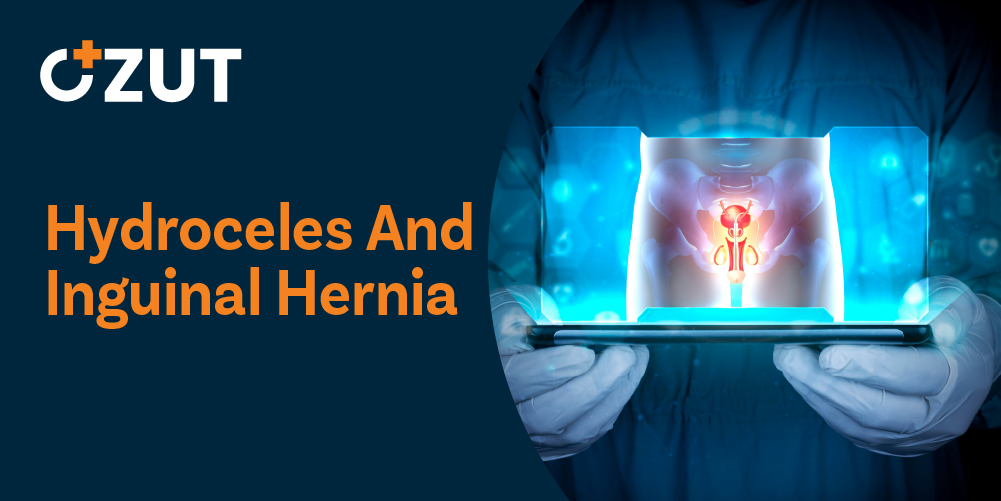
Scrotal swelling affects males of all ages, from newborns to elderly adults. Two primary conditions cause this swelling: fluid accumulation in the scrotal sac and weakness in the groin area that allows abdominal contents to protrude. Understanding these conditions helps parents and patients make informed decisions about treatment and management.
What Causes Fluid Accumulation in the Scrotum
Fluid accumulation occurs when liquid fills a natural sac surrounding the testicle in the scrotum. This condition appears in approximately ten percent of male infants at birth, making it a relatively common occurrence in newborns. The condition can also develop later during infancy or childhood, and occasionally results from traumatic injury to the scrotal area.
The developmental process of the male reproductive system explains why this fluid accumulation happens. During fetal development, the testicles form near the kidneys within the abdominal cavity. As pregnancy progresses toward completion, these organs descend to their permanent location in the scrotum. This migration process involves the testicle pulling a membranous sac, derived from the abdominal lining called the peritoneum, along its path of descent.
When this connecting channel remains open or reopens after initial closure, small amounts of fluid can travel from the abdominal cavity into the scrotal sac. In most male infants, this channel naturally closes during the first year of life, and the accumulated fluid resolves spontaneously without medical intervention.
Understanding Groin Weakness and Protrusion
Groin weakness represents another common cause of scrotal swelling, particularly in infants and young children. This condition occurs in approximately one out of every one hundred male babies, with higher incidence rates observed in premature infants. The condition can also affect female children, though it manifests differently due to anatomical variations.
Types of Groin Weakness
Medical professionals classify groin weakness into two distinct categories based on the anatomical pathway involved. The indirect type follows the same developmental pathway as the descending testicle, utilizing the natural channel that should close after birth. This type can cause fluid accumulation in the scrotum similar to the condition described above, but typically demonstrates variable size or may appear to resolve temporarily from day to day.
The direct type involves actual weakness in the muscular and structural components of the groin area. While uncommon in children, this variant occurs frequently in older adult males. The direct type results from deterioration or inherent weakness in the abdominal wall rather than from developmental abnormalities.
Recognizing Symptoms and Warning Signs
Fluid accumulation in the scrotum rarely produces symptoms in affected individuals. Despite the visible swelling that often concerns parents, infants typically experience no discomfort from the condition. In older males, the condition usually remains painless, though some individuals report minor discomfort related to the increased scrotal size and weight.
When to Seek Medical Attention
Only approximately twenty-five percent of groin weakness cases cause pain. However, certain warning signs indicate the need for prompt medical evaluation. Parents and patients should monitor for increases in swelling, development of redness in the affected area, or onset of pain. These symptoms may indicate complications requiring surgical intervention.
Groin weakness can become a surgical emergency if abdominal contents become trapped within the protruding sac. This complication, known as incarceration, requires immediate medical attention to prevent tissue damage and other serious complications.
Diagnostic Procedures and Examinations
Healthcare providers employ multiple diagnostic approaches to evaluate scrotal swelling and determine its underlying cause. The diagnostic process typically begins with a comprehensive health history review and thorough physical examination.
Physical Examination Techniques
During the physical examination, the healthcare provider applies pressure to both the abdomen and scrotum to assess tenderness and detect the presence of groin weakness. The patient may be asked to cough or perform other maneuvers that increase abdominal pressure, allowing the examiner to observe how the bulge changes with pressure variations.
A simple but effective diagnostic technique involves shining a bright light through the scrotum, a procedure called transillumination. When fluid accumulation is present, the light passes through the clear fluid surrounding the testicle, creating a characteristic glow. This test helps differentiate fluid-filled swelling from solid masses or other conditions.
Advanced Imaging Studies
Healthcare providers may recommend imaging studies to obtain more detailed information about the scrotal swelling. Ultrasound examination provides real-time visualization of scrotal contents and can identify fluid accumulation, groin weakness, testicular tumors, or other causes of swelling. X-ray imaging may be utilized in specific cases to evaluate bony structures or detect certain complications.
In selected situations, blood and urine tests help rule out other medical conditions that might cause similar symptoms or contribute to scrotal swelling.
Treatment Approaches and Management Strategies
Treatment decisions depend on multiple factors including the patient’s age, symptom severity, size of the swelling, and whether the condition shows signs of resolution or progression.
Conservative Management
Many cases of fluid accumulation in newborns and young infants resolve spontaneously during the first year of life as the connecting channel naturally closes. Healthcare providers often recommend watchful waiting for uncomplicated cases in this age group, with regular follow-up examinations to monitor progress.
Surgical Intervention Indications
Surgery becomes necessary when fluid accumulation causes symptoms, grows significantly large, or continues to demonstrate size changes beyond approximately one year of age. The surgical approach depends on whether the condition communicates with the abdominal cavity.
For non-communicating cases, where no connection exists between the scrotum and abdomen, surgeons remove the fluid-filled sac through an incision made directly in the scrotum. This straightforward procedure effectively resolves the condition with minimal complications.
When communication exists between the scrotal sac and abdominal cavity, the surgical approach differs. Surgeons make an incision in the upper groin area, allowing them to address both the groin weakness and the fluid accumulation simultaneously. The connecting channel is closed, the weakness is repaired, and accumulated fluid is drained.
Modern Surgical Techniques
Laparoscopic surgery represents an increasingly popular approach for treating both groin weakness and communicating fluid accumulation in children and adults. This minimally invasive technique involves inserting small instruments directly into the abdomen through tiny incisions. The laparoscopic approach offers several advantages including smaller incisions, reduced postoperative pain, and faster recovery times.
Bilateral Evaluation During Surgery
Research indicates that approximately five percent of patients who develop communicating fluid accumulation on one side will eventually develop the same condition on the opposite side. Some surgeons prefer to examine the opposite groin during laparoscopic surgery and repair any weakness found, even if not yet symptomatic. This approach potentially prevents future surgery but remains a topic of ongoing discussion among surgical specialists.
Managing Complicated Cases
Groin weakness containing abdominal contents other than fluid, such as intestines or fatty tissue, requires different management than simple fluid accumulation. These cases do not resolve spontaneously and carry risk of complications if intestinal loops become trapped within the protruding sac.
Trapped intestinal contents represent a surgical emergency requiring prompt intervention to prevent tissue damage from compromised blood supply. Emergency surgery aims to return the trapped contents to the abdominal cavity and repair the weakness to prevent recurrence. Most procedures can be performed in an outpatient setting, allowing patients to return home the same day.
Postoperative Recovery and Expectations
Following surgical repair, patients experience some degree of postoperative pain requiring medication management. Healthcare providers typically prescribe pain relievers commonly used for fever control, which prove adequate for most patients. Pain intensity generally decreases significantly during the first postoperative week, and most patients discontinue pain medication within this timeframe.
Activity Restrictions
Full activity resumption depends on the patient’s age and typical activity level. Healthcare providers generally recommend restricting strenuous activities for several weeks following surgery to allow proper healing. Specific restrictions vary based on individual circumstances and should be discussed with the surgical team.
Expected Postoperative Changes
When scrotal incisions are used, patients should expect the testicles and scrotum to remain swollen for several weeks after surgery before gradually returning to normal size. This temporary swelling represents a normal part of the healing process and should not cause alarm unless accompanied by increasing pain, redness, or other concerning symptoms.
Long-Term Outcomes and Recurrence Rates
Surgical repair of groin weakness and fluid accumulation demonstrates excellent long-term success rates. Less than one percent of cases experience recurrence of either condition following surgical repair. However, patients and parents should remain aware that recurrence remains possible and should monitor for return of symptoms.
Regular follow-up appointments with healthcare providers help ensure proper healing and early detection of any complications or recurrence. Most patients achieve complete resolution of symptoms and return to normal activities without long-term limitations.
Important Questions for Healthcare Providers
Patients and parents should actively participate in treatment decisions by asking relevant questions during medical consultations. Understanding available treatment options helps families make informed choices aligned with their values and circumstances.
Treatment and Recovery Considerations
Inquire about all available treatment options, including both conservative management and surgical approaches. Ask whether dietary modifications might influence the condition or recovery process. Discuss the different surgical techniques available and which approach the surgeon recommends for your specific situation.
Understanding the expected recovery timeline helps families plan appropriately. Ask about specific recovery expectations, including pain management strategies, activity restrictions, and signs of complications requiring medical attention. Discuss practical steps to facilitate easier recovery and promote optimal healing.
Long-Term Prognosis Questions
Patients should understand the likelihood of recurrence following treatment. Ask about the possibility of developing groin weakness in other locations after surgical repair. Inquire about the risk of fluid accumulation returning after surgical drainage and sac removal. Understanding these long-term considerations helps set realistic expectations and promotes appropriate follow-up care.
Conclusion
Scrotal swelling from fluid accumulation or groin weakness affects males across all age groups. While these conditions often resolve spontaneously in infants, surgical intervention may become necessary when symptoms develop, swelling persists, or complications arise. Modern surgical techniques offer excellent outcomes with low recurrence rates. Understanding the causes, symptoms, diagnostic approaches, and treatment options empowers patients and families to make informed healthcare decisions and achieve optimal outcomes.