
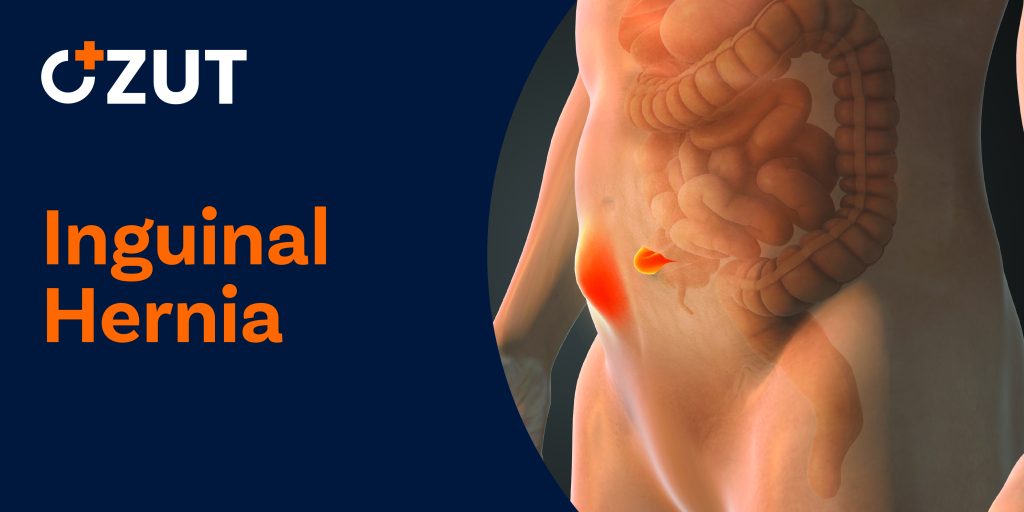
Understanding Inguinal Hernias: Symptoms, Causes, and Treatment Options
An inguinal hernia represents one of the most common surgical conditions affecting adults and children worldwide. This condition occurs when internal tissue, typically a portion of the intestine, pushes through a weakened area in the abdominal wall muscles. The result is a noticeable bulge that may cause discomfort or pain, particularly during physical activities such as coughing, bending, or lifting heavy objects. While some individuals experience significant discomfort, others may have minimal or no pain at all.
Although an inguinal hernia may not always present immediate danger, it requires medical attention because it will not resolve without intervention. Left untreated, this condition can progress to serious, potentially life-threatening complications. Medical professionals typically recommend surgical repair for hernias that cause pain or continue to enlarge. Hernia repair procedures are among the most frequently performed surgical operations, with well-established safety records and positive outcomes.
Recognizing the Signs and Symptoms
The presentation of an inguinal hernia varies among individuals, but several characteristic symptoms help identify this condition. Understanding these signs enables early detection and timely medical intervention, which can prevent complications and improve treatment outcomes.
Primary Symptoms in Adults
The most recognizable symptom involves a visible bulge appearing in the groin area on either side of the pubic bone. This protrusion becomes more prominent when standing upright and particularly noticeable during activities that increase abdominal pressure, such as coughing or straining. Many people first discover their hernia when they notice this unusual swelling while looking in a mirror or during routine bathing.
Accompanying the visible bulge, individuals often experience a burning or aching sensation at the site of the hernia. This discomfort may be constant or intermittent, depending on activity levels and body position. Pain, pressure, or discomfort in the groin area intensifies during specific movements, including bending over, coughing, or lifting objects. These symptoms typically improve when lying down, as gravity no longer pulls the protruding tissue downward.
In some cases, particularly in men, the protruding intestinal tissue can descend into the scrotum, causing pain and swelling around the testicles. This extension of the hernia creates additional discomfort and may affect daily activities and quality of life.
Symptoms in Infants and Children
Pediatric inguinal hernias result from congenital weakness in the abdominal wall present from birth. The hernia may only become visible during moments of increased abdominal pressure, such as when an infant cries, coughs, or strains during bowel movements. Parents may notice their baby appears more irritable than usual and shows decreased appetite, which can indicate discomfort from the hernia.
In older children, the hernia typically becomes more apparent during activities that increase intra-abdominal pressure. Parents might observe the bulge when their child coughs, strains during bowel movements, or stands for extended periods. The visibility of the hernia often fluctuates, appearing more prominent during certain activities and less noticeable during rest.
Emergency Warning Signs
While many inguinal hernias develop gradually and cause manageable symptoms, certain warning signs indicate serious complications requiring immediate medical attention. Understanding these emergency symptoms can be lifesaving.
Incarcerated and Strangulated Hernias
When hernia contents become trapped in the abdominal wall and cannot be pushed back into place, the condition is termed an incarcerated hernia. This situation can progress to strangulation, where blood flow to the trapped tissue becomes compromised or completely cut off. Strangulated hernias represent medical emergencies that can lead to tissue death and life-threatening complications if not treated promptly.
Emergency symptoms requiring immediate medical care include:
- Sudden onset of severe pain that rapidly intensifies
- Nausea and vomiting
- Fever development
- Hernia bulge changing color to red, purple, or dark shades
- Inability to pass gas or have bowel movements
Anyone experiencing these symptoms should seek emergency medical care without delay. The window for successful treatment narrows quickly once strangulation occurs, making rapid intervention critical for preventing serious complications or death.
Understanding the Underlying Causes
Inguinal hernias develop through a combination of factors involving abdominal wall weakness and increased internal pressure. While some hernias appear without obvious cause, many result from identifiable contributing factors.
Congenital Factors
Many inguinal hernias originate from developmental issues occurring before birth. During fetal development, the abdominal wall should close completely, but sometimes weakness remains in the muscle structure. This congenital weakness creates a vulnerable area where tissue can protrude later in life, even if the hernia doesn’t become apparent until adulthood.
In males, the natural anatomy includes the inguinal canal, through which the spermatic cord passes into the scrotum. This anatomical feature creates an inherent weak point where hernias commonly develop. In females, the inguinal canal contains a ligament supporting the uterus, and hernias can form where connective tissue from the uterus attaches to surrounding structures near the pubic bone.
Acquired Causes
Beyond congenital factors, several conditions and activities contribute to hernia development throughout life. Increased pressure within the abdomen from various sources can force tissue through weak spots in the abdominal wall. Common pressure-increasing factors include:
- Chronic straining during bowel movements or urination
- Strenuous physical activity, particularly heavy lifting
- Prolonged standing or walking for many hours daily
- Pregnancy, which increases abdominal pressure and can weaken muscles
- Frequent coughing or sneezing from chronic conditions
As people age, muscles naturally weaken and deteriorate, making hernia development more likely. Strenuous physical activity over many years can accelerate this weakening process. Chronic coughing, often associated with smoking, creates repeated pressure spikes that can cause or worsen hernias. Previous injuries or surgical procedures in the abdominal area can also create weak points where hernias subsequently form.
Risk Factors and Susceptibility
Certain characteristics and conditions increase an individual’s likelihood of developing an inguinal hernia. Understanding these risk factors helps identify people who should be particularly vigilant about symptoms.
Demographic and Genetic Factors
Gender plays a significant role in hernia risk, with males being eight to ten times more likely to develop inguinal hernias compared to females. This dramatic difference relates to anatomical variations and the natural presence of the inguinal canal in male anatomy.
Age represents another important factor, as muscle strength and integrity decline with advancing years. The natural aging process weakens abdominal wall structures, creating opportunities for hernia formation. Research indicates that individuals of European ancestry may face higher risk compared to other ethnic backgrounds, suggesting genetic components influence susceptibility.
Family history significantly impacts hernia risk. Having close relatives such as parents or siblings with inguinal hernias increases individual risk, pointing to hereditary factors in abdominal wall strength and structure.
Medical and Lifestyle Factors
Several medical conditions and lifestyle factors elevate hernia risk:
- Chronic cough from smoking or respiratory conditions
- Long-term constipation causing repeated straining
- Pregnancy-related abdominal muscle weakening and pressure
- Premature birth or low birth weight in infants
- Connective tissue disorders affecting structural integrity
- Previous surgical procedures in the pelvic or abdominal region
- History of previous hernia or hernia repair
Individuals with multiple risk factors should maintain heightened awareness of hernia symptoms and discuss prevention strategies with healthcare providers.
Potential Complications
Without appropriate treatment, inguinal hernias can lead to serious complications affecting health and quality of life. Understanding these potential problems underscores the importance of seeking medical evaluation and treatment.
Progressive Enlargement
Most untreated inguinal hernias gradually enlarge over time as continued pressure forces more tissue through the weakened abdominal wall. In males, large hernias can extend significantly into the scrotum, causing substantial pain, swelling, and interference with daily activities. This progressive enlargement makes eventual surgical repair more complex and recovery more challenging.
Bowel Obstruction
When hernia contents become trapped or incarcerated in the abdominal wall weakness, they can obstruct normal bowel function. This obstruction prevents the passage of digestive contents, leading to severe pain, nausea, vomiting, and inability to have bowel movements or pass gas. Bowel obstruction requires urgent medical intervention to prevent further complications.
Tissue Strangulation
The most serious complication occurs when an incarcerated hernia progresses to strangulation, cutting off blood supply to trapped tissue. Without adequate blood flow, affected intestinal tissue begins dying, creating a life-threatening emergency. Strangulated hernias require immediate surgical intervention to remove dead tissue and repair the hernia. Delayed treatment can result in severe infection, sepsis, or death.
Prevention Strategies
While congenital abdominal wall weaknesses cannot be prevented, several strategies can reduce strain on abdominal muscles and decrease the likelihood of hernia development or worsening.
Weight Management
Maintaining healthy body weight reduces pressure on abdominal structures and decreases hernia risk. Excess weight creates constant increased pressure within the abdomen, making hernia formation more likely. Healthcare professionals can provide personalized guidance on appropriate exercise programs and dietary approaches for achieving and maintaining optimal weight.
Dietary Considerations
Consuming a high-fiber diet helps prevent constipation and reduces straining during bowel movements. Incorporating abundant fruits, vegetables, and whole grains provides necessary fiber for healthy digestive function. Adequate hydration complements fiber intake, promoting regular, comfortable bowel movements without excessive straining.
Proper Lifting Techniques
Using correct body mechanics when lifting heavy objects protects abdominal muscles from excessive strain. Always bend at the knees rather than the waist when lifting, keeping the back straight and using leg muscles to power the lift. When possible, avoid lifting extremely heavy objects or seek assistance to distribute the load.
Smoking Cessation
Quitting smoking provides numerous health benefits, including reduced hernia risk. Smoking commonly causes chronic cough, which repeatedly increases abdominal pressure and can lead to hernia development or worsen existing hernias. Eliminating tobacco use removes this risk factor and improves overall health outcomes.
Seeking Medical Care
Recognizing when to seek medical evaluation ensures timely diagnosis and treatment, preventing complications and improving outcomes. Anyone noticing a painful or visible bulge in the groin area should consult a healthcare professional for assessment. The bulge typically becomes more noticeable when standing and can be felt by placing a hand directly over the affected area.
Emergency medical care becomes necessary when a hernia bulge changes color to red, purple, or dark shades, or when other strangulation symptoms appear. These situations require immediate intervention to prevent serious complications or death.
Regular medical follow-up for diagnosed hernias helps monitor progression and determine optimal timing for surgical repair. Healthcare providers can assess hernia size, symptoms, and individual risk factors to develop appropriate treatment plans tailored to each person’s