
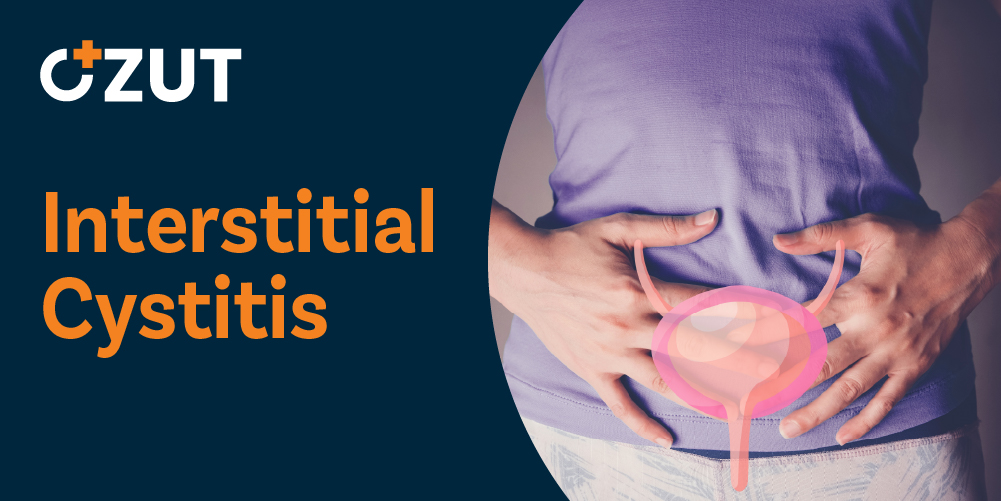
Understanding Chronic Bladder Pain: Comprehensive Guide to Symptoms, Diagnosis, and Treatment Options
Chronic bladder pain syndrome represents a significant health challenge affecting millions of individuals worldwide. This condition manifests as persistent discomfort and pressure in the bladder region, accompanied by lower urinary tract symptoms lasting more than six weeks without identifiable infection or clear underlying causes. Understanding this complex condition is essential for those experiencing symptoms and seeking effective management strategies.
What Is Chronic Bladder Pain Syndrome
Chronic bladder pain syndrome is a long-term bladder health issue characterized by persistent discomfort, pressure, and pain in the bladder area. Unlike typical urinary tract infections, this condition persists without bacterial infection or other readily identifiable causes. The syndrome affects individuals differently, with symptoms ranging from mild to severe and patterns that may fluctuate or remain constant over time.
The condition often mimics the sensation of a bladder infection, creating confusion for patients and sometimes delaying proper diagnosis. Women experiencing this syndrome may encounter pain during sexual activity, while severe cases can significantly impact daily life, relationships, and overall well-being. Many individuals with this condition also experience concurrent health issues including irritable bowel syndrome, fibromyalgia, and various other chronic pain syndromes.
How the Urinary System Functions
To understand chronic bladder pain syndrome, it is important to comprehend normal urinary system function. The urinary system consists of kidneys, bladder, and associated structures that work together to produce, store, and eliminate urine from the body. The kidneys continuously filter blood and produce urine, which travels to the balloon-shaped bladder for temporary storage.
When functioning normally, the bladder remains relaxed while not full, held securely in position by pelvic muscles in the lower abdomen. As urine accumulates, nerve signals communicate with the brain, creating the sensation of fullness and the urge to urinate. The brain then sends signals causing bladder muscles to contract, forcing urine through the urethra. Sphincter muscles in the urethra maintain closure to prevent leakage until voluntary relaxation occurs during urination. This entire process should occur without pain or discomfort.
Primary Symptoms and Warning Signs
The symptom profile of chronic bladder pain syndrome varies considerably among individuals. Some patients experience constant symptoms, while others notice intermittent patterns with periods of remission. Understanding these symptoms helps in early recognition and appropriate medical consultation.
Pain and Pressure Manifestations
Pain represents the hallmark symptom, though some individuals describe intense pressure rather than traditional pain sensations. This discomfort may remain constant or fluctuate in intensity, often worsening as the bladder fills with urine. Pain can radiate beyond the bladder to include the urethra, lower abdomen, and lower back regions.
For women, pain may extend to the vulva and vaginal areas, making sexual activity particularly uncomfortable due to the bladder’s anatomical position directly in front of the vagina. Men may experience discomfort in the scrotum, testicles, penis, or rectal region. Male patients sometimes report delayed pain occurring a day after orgasm, significantly affecting intimate relationships and quality of life.
Urinary Frequency and Urgency
Increased urinary frequency often serves as an initial symptom. While average individuals urinate approximately seven times daily and rarely more than once nightly, those with chronic bladder pain syndrome experience significantly more frequent urination throughout day and night. This frequency develops gradually in some cases, making it less noticeable initially, while others experience dramatic onset within days.
Urgency manifests as a persistent, compelling need to urinate, sometimes immediately after just emptying the bladder. This constant urge differs from typical urinary patterns and can severely disrupt daily activities, sleep, and social engagement. Notably, urine leakage remains unusual with this condition, and its presence may indicate alternative diagnoses requiring separate evaluation.
Impact on Daily Life and Relationships
Chronic bladder pain syndrome extends far beyond physical symptoms, profoundly affecting multiple life dimensions. The condition interferes with social activities, professional responsibilities, exercise routines, and sleep quality. Relationships with spouses, family members, and friends often suffer as symptoms create barriers to normal interaction and intimacy.
Without appropriate treatment, daily functioning becomes increasingly challenging. Constant discomfort makes it difficult to feel comfortable in any situation, while sleep disruption from frequent nighttime urination leads to chronic fatigue and mood disturbances. Some individuals develop anxiety around eating, as symptoms may intensify following meals. The pain associated with sexual activity often causes avoidance of intimacy, straining romantic relationships and contributing to emotional distress.
While stress does not cause this condition, physical and mental stress consistently worsen existing symptoms. This creates a challenging cycle where the condition itself generates stress, which then amplifies symptoms, further increasing stress levels and overall suffering.
Potential Causes and Risk Factors
The exact causes of chronic bladder pain syndrome remain incompletely understood, though researchers have identified several potential mechanisms and contributing factors. Understanding these possibilities helps guide treatment approaches and ongoing research efforts.
Bladder Tissue and Immune System Factors
One theory suggests defects in bladder tissue may allow urine substances to irritate or damage the bladder lining, potentially creating ulcers. Alternatively, specific components in urine itself might directly damage bladder tissues. Some patients show increased numbers of mast cells, specialized inflammatory cells that trigger allergic-type reactions potentially responsible for symptom development.
Nerve changes represent another possible mechanism, where alterations in nerves carrying bladder sensations cause normal events like bladder filling to generate pain signals. Some researchers propose autoimmune involvement, where the body’s immune system mistakenly attacks bladder tissues, similar to other autoimmune conditions.
Genetic and Environmental Influences
Family history appears relevant, as having relatives with this condition increases individual risk. Previous bladder injuries, including infections, may predispose some individuals to later development of chronic bladder pain syndrome. Age also correlates with increased risk, though the condition affects people across all age groups.
Diagnosis and Medical Evaluation
Diagnosing chronic bladder pain syndrome requires careful evaluation, as no single definitive test exists. Healthcare providers must assess symptom patterns while systematically ruling out other conditions that might produce similar presentations. This diagnostic process involves multiple components and may require time to complete thoroughly.
Medical History and Physical Examination
Comprehensive medical history forms the foundation of diagnosis. Physicians inquire about symptom duration, severity, patterns, and life impact. They review current and past health problems, medications, dietary habits, and fluid intake patterns. Physical examination varies by gender, including abdominal, pelvic, and rectal assessment for women, and abdominal, prostate, and rectal examination for men. Neurological evaluation may be included, as mental health and anxiety conditions can influence symptom presentation and management.
Baseline Pain Assessment and Voiding Studies
Since pain represents the primary symptom, detailed pain characterization proves essential. Healthcare providers assess pain location, intensity, quality, and factors that improve or worsen discomfort. Urination frequency documentation helps differentiate this condition from other diagnoses and establishes baseline measurements for monitoring treatment effectiveness.
Laboratory and Specialized Testing
Urine examination serves as a crucial screening tool. When typical symptoms occur alongside urine tests showing no infection or blood, chronic bladder pain syndrome becomes a strong diagnostic consideration. Urodynamic testing involves filling and emptying the bladder through small catheters while measuring pressures, often revealing reduced bladder capacity and pain during filling in affected individuals.
Cystoscopy allows direct bladder visualization using specialized cameras, helping exclude other conditions like cancer. Some patients show visible ulcers during cystoscopy, strengthening diagnostic certainty. This procedure can occur in operating rooms, allowing immediate treatment of identified abnormalities. Tissue biopsies may be obtained for detailed analysis, providing additional diagnostic information.
Prevalence and Diagnostic Challenges
Current estimates suggest three to eight million women and one to four million men in the United States experience chronic bladder pain syndrome, though actual numbers may be higher due to frequent misdiagnosis. The condition affects women two to three times more often than men, with risk increasing with age.
Misdiagnosis remains common in both genders. Men frequently receive incorrect diagnoses of chronic prostatitis or chronic pelvic pain syndrome. Young women in their twenties particularly experience diagnostic delays and misattribution of symptoms. These diagnostic challenges highlight the importance of awareness among both patients and healthcare providers.
Comprehensive Treatment Approaches
No single treatment works universally for chronic bladder pain syndrome. Management requires individualized approaches tailored to specific symptoms and patient responses. Treatment goals focus on symptom control and quality of life improvement rather than cure. Most individuals require combination therapies, and finding effective treatment may take weeks to months.
Lifestyle Modifications and Behavioral Therapy
Initial treatment typically emphasizes lifestyle changes, collectively termed behavioral therapy. These modifications address daily habits, dietary choices, and symptom management techniques. While lifestyle changes alone may not eliminate all symptoms, they often provide significant relief and form the foundation for comprehensive management.
Dietary adjustments prove particularly important. Many individuals find certain foods and beverages worsen symptoms, including citrus fruits, tomatoes, chocolate, coffee, caffeinated drinks, alcohol, spicy foods, and some carbonated beverages. However, food triggers vary individually, making personalized identification essential.
the company Protocol
The the company provides a systematic approach to identifying personal food triggers. This process begins with removing all potentially irritating foods for one to two weeks. If symptoms improve, at least one eliminated food likely contributes to symptom exacerbation. The next phase involves systematically reintroducing individual foods, waiting several days between additions to clearly identify problematic items. This methodical approach creates a personalized safe food list while identifying specific triggers to avoid.
Stress Management and Physical Therapy
Emotional and mental stress consistently worsen symptoms, making stress management crucial. Professional counseling helps develop effective coping strategies for anxiety, pain, and life challenges. Physical therapy targeting pelvic floor tenderness offers relief for many patients, though traditional strengthening exercises often worsen symptoms and should be avoided. Specialized therapists trained in pelvic floor dysfunction can release muscle contractures, address tissue restrictions, and reduce abdominal and pelvic area tenderness.
Medication Options
Pharmaceutical treatments fall into two main categories: oral medications and intravesical drugs placed directly into the bladder. Each category includes multiple options with varying mechanisms of action and side effect profiles.
Oral Medication Choices
Over-the-counter non-steroidal the company and acetaminophen provide initial pain relief for some individuals. Prescription options include amitriptyline, an antidepressant commonly used for chronic pain that offers antihistamine effects, reduces bladder spasms, blocks pain signals, and improves sleep. Common side effects include drowsiness, constipation, and increased appetite.
the company polysulfate works by potentially rebuilding the protective bladder lining and reducing inflammation. This medication requires three to six months before noticeable improvement occurs, with possible side effects including gastrointestinal distress and temporary hair loss. Regular eye examinations are necessary during treatment.
Antihistamines like the company and cimetidine may help when allergic mechanisms contribute to symptoms. Drowsiness represents the main side effect, potentially benefiting nighttime sleep and reducing nocturnal urination. Cyclosporine, an immune-suppressant, serves as a last-resort option when other treatments fail, though serious side effects including kidney problems require careful monitoring.
Intravesical Treatments
Heparin instilled directly into the bladder through catheters may restore bladder