
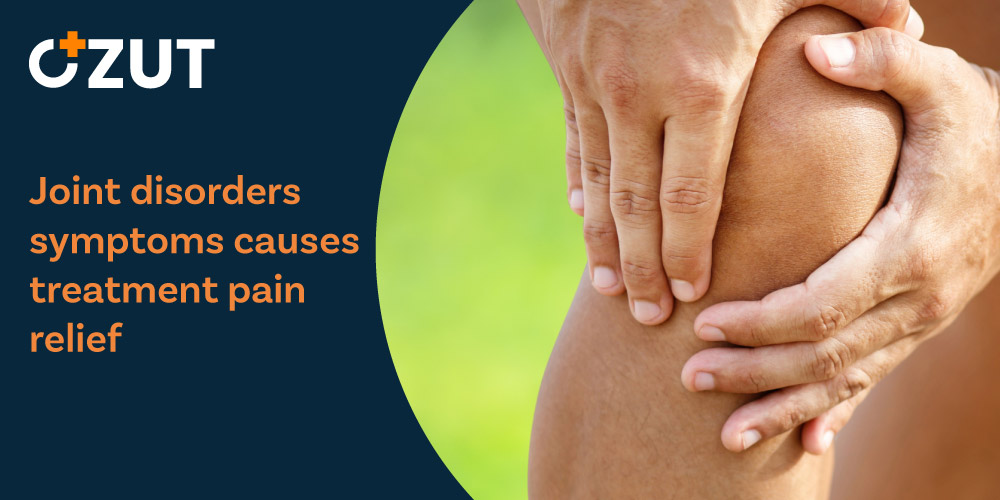
Understanding Joint Disorders: Causes, Symptoms, and Treatment Options
Joint health plays a fundamental role in maintaining mobility, independence, and overall quality of life. When joint disorders develop, they can significantly impact daily activities and long-term wellness. Understanding the structure of joints, common disorders, and available treatments empowers individuals to make informed decisions about their musculoskeletal health.
The Anatomy and Function of Joints
Joints represent the critical connection points where two or more bones meet in the human body. These complex structures enable movement and provide stability throughout the skeletal system. Common joint locations include shoulders, elbows, hips, knees, knuckles, and the numerous articulations within the spine.
The functionality of joints extends far beyond simple bone connections. Each joint comprises multiple components working together to facilitate smooth, pain-free movement. The soft tissues surrounding joints play equally important roles in maintaining joint health and function.
Essential Joint Components
Cartilage forms a crucial protective layer covering bone ends at joint surfaces. This hard, slippery, flexible tissue allows bones to glide smoothly against each other during movement while absorbing shock and distributing forces evenly across the joint surface.
Tendons serve as the connection between muscles and bones, transmitting the force generated by muscle contractions to create joint movement. These tough, flexible bands withstand considerable tension during physical activity.
Ligaments function as stabilizing structures that connect bones to each other within joints. They prevent excessive movement that could damage joint structures while maintaining proper alignment during motion.
Defining Joint Disorders
Joint disorders encompass a broad category of diseases and injuries affecting joint structures and function. These conditions can develop through various mechanisms, from gradual wear and tear to sudden traumatic events. The impact of joint disorders ranges from mild discomfort to severe disability affecting daily activities.
Overuse represents a common pathway to joint injury, occurring when repetitive movements or excessive stress damages joint tissues over time. Alternatively, acute injuries from accidents or sports activities can cause immediate joint damage requiring prompt medical attention.
Chronic Diseases Affecting Joint Health
Numerous chronic diseases target joint structures, causing persistent symptoms that may last months, years, or a lifetime. These conditions typically produce joint pain accompanied by stiffness, redness, and swelling. Understanding specific disease processes helps patients and healthcare providers develop effective management strategies.
Arthritis and Its Many Forms
Arthritis stands as the most prevalent category of joint disease, encompassing numerous distinct conditions that cause joint inflammation and pain. The term arthritis literally means joint inflammation, but the underlying causes and progression patterns vary significantly among different types.
Osteoarthritis represents the most common form of arthritis, developing when protective cartilage gradually wears away over time. This degenerative process typically affects weight-bearing joints and those subjected to repetitive stress. Age represents a significant risk factor, though osteoarthritis can affect individuals across all age groups.
Early joint injuries create vulnerability to osteoarthritis development later in life. A sports injury sustained during youth may seem fully healed but can initiate degenerative changes that manifest as arthritis decades later. Over time, arthritis can cause severe joint damage, limiting mobility and causing chronic pain.
Autoimmune Conditions Targeting Joints
Certain autoimmune diseases attack joint tissues as part of their systemic effects on the body. In autoimmune conditions, the immune system mistakenly identifies healthy tissues as threats and launches inflammatory responses against them.
Lupus exemplifies a systemic autoimmune disease affecting multiple organ systems throughout the body. Joint and muscle pain represent common symptoms, with some lupus variants frequently causing arthritis-like joint inflammation and damage.
Another autoimmune condition primarily affects moisture-producing glands throughout the body. While dry eyes and mouth constitute the hallmark symptoms, this disease commonly causes joint pain and inflammation as well, significantly impacting patient quality of life.
Treatment Approaches for Chronic Joint Diseases
Treatment strategies for chronic joint diseases vary based on the specific condition, severity, and individual patient factors. Most treatment plans incorporate medications to control inflammation and relieve pain. Anti-inflammatory drugs, pain relievers, and disease-modifying agents may be prescribed depending on the diagnosis.
Therapeutic interventions complement medication regimens, including physical therapy to maintain joint mobility and strengthen supporting muscles. Occupational therapy helps patients adapt daily activities to reduce joint stress. Some patients benefit from assistive devices that decrease joint loading during movement.
Acute Joint Injuries
Sudden injuries can damage joint structures through various mechanisms, from sports accidents to falls or collisions. These acute injuries require immediate attention and appropriate treatment to prevent long-term complications.
Sprains and Strains
Sprains occur when ligaments stretch beyond their normal range or tear partially or completely. These injuries typically result from sudden twisting movements or impacts that force joints into abnormal positions. Ankle sprains represent the most common type, though any joint can experience ligament damage.
Acute strains involve stretching or tearing of muscles or tendons from sudden forceful movements. Lifting heavy objects improperly, sudden acceleration during sports, or unexpected movements can cause strain injuries. Unlike chronic strains that develop gradually, acute strains occur from single traumatic events.
Joint Dislocations
Dislocations represent serious injuries where bones are forced out of their normal positions within joints. These injuries constitute medical emergencies requiring immediate professional care. Attempting to relocate a dislocated joint without proper training can cause additional damage to surrounding tissues, nerves, and blood vessels.
When to Seek Medical Care for Joint Injuries
Many minor joint injuries can be managed at home using rest, ice, compression, and elevation. However, certain symptoms indicate the need for professional medical evaluation and treatment.
Severe joint pain, significant swelling, or numbness in the affected area warrant immediate medical attention. Inability to bear weight on an injured joint suggests serious damage requiring professional assessment. Pain from previous injuries accompanied by new swelling, joint instability, or other abnormal changes should prompt medical consultation.
Overuse Injuries and Repetitive Stress
Overuse injuries develop gradually when repetitive movements damage joint soft tissues faster than the body can repair them. These conditions commonly affect individuals whose work or hobbies involve repeated joint movements, including musicians, athletes, and workers in certain occupations like carpentry or painting.
Bursitis
Bursae are small fluid-filled sacs positioned between bones and moving structures like muscles, tendons, and skin. These cushioning structures reduce friction during joint movement. Bursitis develops when bursae become irritated and inflamed, filling with excess fluid.
While overuse represents the most frequent cause of bursitis, other factors can trigger this condition. Direct trauma to a joint, bacterial infections, and underlying conditions like arthritis can all cause bursa inflammation. Common sites include shoulders, elbows, hips, and knees.
Tendinitis
Tendinitis occurs when tendons become inflamed from overuse, causing pain with joint movement. This condition typically develops in tendons subjected to repetitive stress without adequate recovery time. The inflammation makes affected joints painful and may limit range of motion.
Common locations for tendinitis include shoulders, elbows, wrists, knees, and ankles. Specific activities predispose individuals to tendinitis in particular joints. For example, overhead throwing motions commonly cause shoulder tendinitis, while running frequently leads to knee or ankle tendinitis.
Chronic Strain
Chronic strains differ from acute strains in their development pattern. Rather than occurring from a single traumatic event, chronic strains result from repetitive movements that gradually stretch or tear muscles and tendons over extended periods. The cumulative damage eventually produces symptoms similar to acute injuries.
Treatment Strategies for Overuse Injuries
Bursitis, tendinitis, and chronic strain share similar treatment approaches focused on reducing inflammation and promoting healing. Rest represents the cornerstone of treatment, allowing damaged tissues time to repair. Avoiding activities that aggravate symptoms prevents further injury.
Elevation of the injured joint above heart level helps reduce swelling by promoting fluid drainage. Anti-inflammatory medications decrease pain and swelling, facilitating recovery. Ice application during the acute phase provides additional symptom relief.
As symptoms improve, gentle exercises help restore joint mobility and strengthen supporting muscles. Physical therapy provides structured rehabilitation programs tailored to individual needs and specific injuries. Gradual return to normal activities prevents re-injury while restoring full function.
In some cases, healthcare providers may recommend corticosteroid injections directly into affected joints or surrounding tissues. These injections deliver powerful anti-inflammatory medication to the injury site, providing relief when other treatments prove insufficient.
When conservative treatments fail to resolve symptoms, surgical intervention may become necessary. Surgical procedures can remove damaged tissue, repair torn structures, or address underlying anatomical problems contributing to overuse injuries.
Maintaining Healthy Joints Throughout Life
Preventive strategies play crucial roles in maintaining joint health and preventing or delaying joint disorders. Proactive approaches to joint care can significantly reduce the risk of developing chronic conditions and overuse injuries.
The Importance of Physical Activity
Regular physical activity represents one of the most effective methods for preventing joint disorders and slowing their progression. Exercise strengthens muscles surrounding joints, providing better support and stability. Strong muscles reduce stress on joint structures during movement and daily activities.
Physical activity also promotes cartilage health by stimulating nutrient delivery to these tissues. Movement helps maintain joint flexibility and range of motion, preventing stiffness that can lead to further problems. Weight-bearing exercises strengthen bones, reducing fracture risk that could damage joints.
Protective Equipment and Safe Practices
When participating in sports or physical activities, appropriate protective equipment shields joints from injury. Knee pads, elbow pads, wrist guards, and other protective gear absorb impacts and prevent traumatic injuries that could cause immediate damage or predispose joints to future problems.
Proper technique during sports and exercise reduces injury risk by ensuring joints move through appropriate ranges of motion without excessive stress. Learning correct form for specific activities protects joints while maximizing performance benefits.
Adapting Activities for Existing Joint Problems
Individuals with existing joint conditions should consult healthcare providers about appropriate activities. Some exercises may aggravate certain joint problems, while others provide therapeutic benefits. Professional guidance helps patients select activities that maintain fitness without worsening joint damage.
Low-impact activities like swimming, cycling, and walking often suit individuals with joint problems better than high-impact sports. These activities provide cardiovascular benefits and maintain muscle strength while minimizing joint stress. Modifications to exercise routines can accommodate joint limitations while still promoting overall health.
Conclusion
Joint disorders encompass a diverse range of conditions affecting millions of people worldwide. From chronic diseases like arthritis to acute injuries and overuse conditions, these disorders can significantly impact quality of life and functional ability. Understanding joint anatomy, recognizing symptoms of various disorders, and knowing when to seek medical care empowers individuals to protect their joint health.
Treatment options continue to evolve, offering hope for improved outcomes across all categories of joint disorders. Conservative approaches including rest, medication, and physical therapy successfully manage many conditions. Advanced interventions provide relief when initial treatments prove insufficient.
Prevention remains the most effective strategy for maintaining joint health throughout life. Regular physical activity, protective equipment during sports, proper technique, and early intervention for injuries all contribute to long-term joint wellness. By prioritizing joint health and seeking appropriate care when problems arise, individuals can maintain mobility and independence well into their later years.