
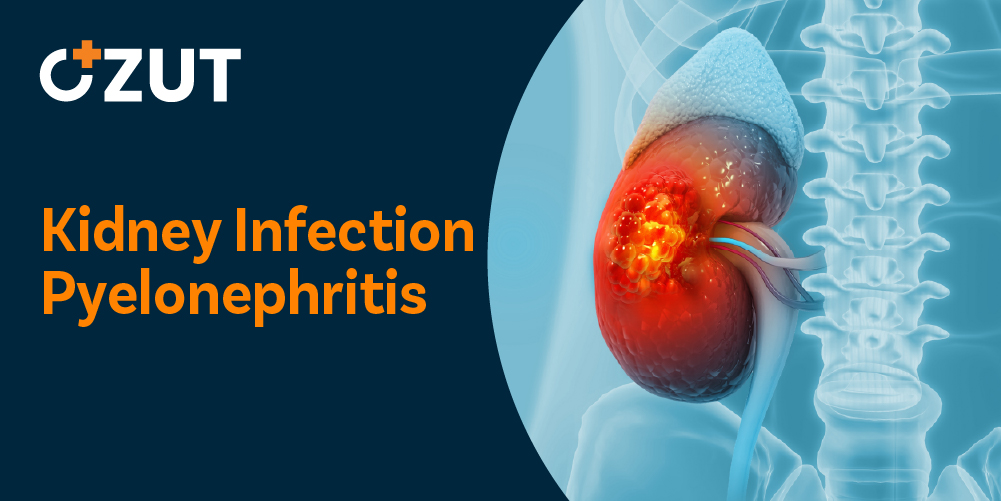
Understanding Kidney Infections: Causes, Symptoms, and Treatment Options
A kidney infection represents a serious type of urinary tract infection affecting one or both kidneys. This condition occurs when bacteria or viruses invade these vital organs, potentially causing severe illness if left untreated. Understanding the nature of kidney infections, their symptoms, and available treatments is essential for maintaining optimal urinary health and preventing serious complications.
The Urinary System and Kidney Function
The urinary tract serves as the body’s sophisticated drainage system, comprising two kidneys, two ureters, one bladder, and one urethra. These components work together seamlessly to filter blood, remove waste products, and maintain the body’s delicate chemical balance.
The kidneys are bean-shaped organs located near the middle of the back, positioned just below the rib cage. One kidney sits on each side of the spine, working continuously to maintain health and wellness. These remarkable organs function as the body’s primary filtration system, processing approximately 150 quarts of blood every single day.
Critical Kidney Functions
Through their filtration process, the kidneys produce between one and two quarts of urine daily by extracting water and waste materials from the bloodstream. This urine travels from the kidneys through the ureters to the bladder, where it is stored until elimination through the urethra.
The kidneys regulate numerous essential bodily functions:
- Maintaining proper fluid balance throughout the body
- Controlling electrolyte levels including sodium, potassium, calcium, magnesium, and acid
- Removing metabolic waste products through urine formation
- Regulating blood pressure levels
- Managing red blood cell production
When kidney damage occurs, these organs may lose some functionality. While minor damage typically causes minimal problems, significant damage may necessitate advanced treatments such as dialysis to maintain health.
Recognizing Kidney Infection Symptoms
Identifying kidney infection symptoms early enables prompt medical intervention and better outcomes. The condition manifests through various signs that can range from mild to severe, depending on the infection’s progression and the individual’s overall health status.
Common Symptoms in Adults
Adults experiencing kidney infections typically present with several characteristic symptoms:
- Chills accompanied by high fever
- Frequent urination that causes pain or discomfort
- Pain in the back, sides under the ribs, or groin area
- Nausea and vomiting
These symptoms often develop rapidly and can cause significant discomfort. The pain associated with kidney infections typically differs from other types of back pain, as it concentrates in specific areas related to kidney location.
Symptoms in Special Populations
Very young children, particularly those under two years old, may not exhibit typical symptoms. Instead, they might only develop a high fever without showing signs of pain or urinary difficulties. This atypical presentation makes diagnosis more challenging in pediatric cases.
Older adults also frequently present with unusual symptoms. Rather than experiencing classic signs, elderly individuals may display confusion, muddled speech, or hallucinations. These neurological symptoms can sometimes be mistaken for other conditions, potentially delaying proper diagnosis and treatment.
Kidney infections can become life-threatening if not addressed promptly. Seeking immediate medical attention when symptoms appear is crucial for preventing serious complications and ensuring complete recovery.
How Kidney Infections Develop
The urinary system possesses natural defenses designed to prevent bacterial invasion. However, certain circumstances can compromise these protective mechanisms, allowing harmful microorganisms to enter and cause infection.
The Infection Pathway
Bacteria normally residing in the intestines can enter the urinary tract through the urethra. Once inside, these bacteria may travel upward into the bladder, causing bladder inflammation known as cystitis. If the infection continues ascending to the kidneys, it results in a kidney infection.
While this progression is relatively rare, occurring in approximately one out of every thirty bladder infection cases, it can lead to severe health consequences when it does occur. The ascending nature of these infections highlights the importance of treating lower urinary tract infections promptly.
Risk Factors and Predisposing Conditions
Several factors increase the likelihood of developing kidney infections. Individuals with frequent bladder infections face elevated risk, as repeated infections can weaken the urinary tract’s natural defenses. Structural abnormalities in the urinary tract also create conditions favorable for bacterial growth and infection.
Urine normally flows in one direction only, from the kidneys to the bladder. When this flow becomes blocked or reverses direction, infections become more likely. Various conditions can obstruct normal urine flow:
- Kidney stones creating physical blockages
- Tumors developing inside or outside the urinary tract
- Structural abnormalities present from birth or acquired through injury
People with diabetes face heightened infection risk due to elevated blood sugar levels that can promote bacterial growth. Similarly, individuals with compromised immune systems cannot fight infections as effectively as healthy individuals.
Pregnant women with urinary tract infections require immediate medical evaluation and treatment. Kidney infections during pregnancy pose serious risks to both mother and developing baby, making prompt intervention essential.
Diagnostic Procedures and Testing
Accurate diagnosis forms the foundation of effective treatment. Many abdominal and pelvic conditions can mimic kidney infection symptoms, making thorough evaluation necessary to identify the true cause of symptoms and determine appropriate treatment approaches.
Initial Assessment Methods
The diagnostic process typically begins with a comprehensive medical history. Healthcare providers ask detailed questions about symptoms, their onset, duration, and the patient’s overall health background. This information helps narrow potential diagnoses and guide further testing.
A physical examination follows the history-taking process. During this exam, healthcare providers conduct a general medical assessment and collect blood and urine samples. Providers typically apply gentle pressure to the abdomen to identify areas of pain or tenderness, which can indicate kidney involvement.
Laboratory Testing
Urinalysis represents a fundamental diagnostic tool for kidney infections. This test examines urine samples for signs of infection, with elevated white blood cell counts and bacterial presence indicating active infection. The test provides rapid results that help guide initial treatment decisions.
Urine cultures offer more detailed information about the specific bacteria causing infection. In this test, bacteria from urine samples grow on culture dishes over several days. This growth allows laboratory technicians to identify the exact bacterial species present and test their sensitivity to various antibiotics, enabling providers to select the most effective medication.
Blood cultures determine whether infection has spread beyond the urinary tract into the bloodstream. This serious complication requires immediate attention and more aggressive treatment approaches.
Imaging Studies
Computed tomography scans, while not necessary for all kidney infection diagnoses, provide detailed three-dimensional images of the urinary tract and kidneys. These images reveal structural problems, blockages, or other abnormalities that might contribute to infection or require specific treatment.
Kidney ultrasound offers another imaging option that creates detailed pictures of the kidneys and ureters. This non-invasive test identifies wounds, stones, or other obstructions in the urinary tract. The information gathered through ultrasound helps healthcare providers make informed treatment decisions and identify underlying problems requiring correction.
Healthcare teams also investigate potential causes of kidney infections, such as kidney stones or congenital abnormalities. Identifying and treating these underlying conditions helps prevent future infections and protects long-term kidney health.
Treatment Approaches and Recovery
Treatment strategies for kidney infections focus on eliminating the causative bacteria, relieving symptoms, and preventing complications. The specific approach depends on infection severity, patient health status, and presence of underlying conditions.
Antibiotic Therapy
Antibiotics form the cornerstone of kidney infection treatment. These medications target and destroy the bacteria causing infection, allowing the body’s immune system to complete the healing process. Most patients receive oral antibiotics that they take at home according to prescribed schedules.
Severe infections may require hospitalization for intravenous antibiotic administration. This approach delivers medication directly into the bloodstream, achieving higher drug concentrations more rapidly than oral medications. Hospitalization also allows for close monitoring and supportive care during the critical early treatment phase.
Treatment courses typically last two weeks or longer to ensure complete bacterial elimination. This extended duration prevents infection recurrence and reduces the risk of antibiotic resistance development.
Surgical Interventions
Surgery becomes necessary when structural problems contribute to infection development. Procedures may address urinary tract blockages, remove kidney stones, or correct congenital abnormalities. These interventions eliminate conditions that promote infection, reducing the likelihood of future episodes.
Recovery Timeline and Expectations
Most patients experience significant symptom improvement within a few days of starting antibiotic treatment. Fever typically subsides, pain diminishes, and urinary symptoms improve as the medication takes effect.
Despite feeling better, completing the entire prescribed antibiotic course remains critically important. Stopping medication early allows surviving bacteria to multiply and potentially develop resistance to antibiotics. This resistance makes future infections more difficult to treat and increases complication risks.
Potential Complications and Long-Term Effects
Untreated kidney infections can lead to serious, potentially permanent health problems. Understanding these risks emphasizes the importance of prompt medical attention and complete treatment adherence.
Kidney Damage and Chronic Conditions
Persistent infection can damage kidney tissue, leading to long-term functional impairment. In some cases, this damage progresses to chronic kidney disease, a condition requiring ongoing medical management and potentially dialysis or transplantation.
Kidney infections may also contribute to high blood pressure development. The kidneys play crucial roles in blood pressure regulation, and damage to these organs can disrupt normal regulatory mechanisms.
In rare but serious cases, severe kidney damage can progress to kidney failure. This life-threatening condition requires immediate intensive treatment and may necessitate long-term dialysis or kidney transplantation for survival.
Systemic Complications
When kidney infections spread to the bloodstream, they can cause sepsis, a dangerous systemic response to infection. Sepsis triggers widespread inflammation throughout the body, potentially leading to organ failure, shock, and death without immediate aggressive treatment.
Antibiotic Resistance Considerations
Bacterial resistance to antibiotics represents a growing concern in treating kidney infections. Some bacteria develop mechanisms that protect them from antibiotic effects, making standard treatments less effective.
Healthcare providers address this challenge by performing both urine and blood cultures before initiating treatment. These tests identify the specific bacteria causing infection and determine which antibiotics remain effective against them. This targeted approach maximizes treatment success while minimizing unnecessary antibiotic exposure.
Prevention Strategies and Risk Reduction
Several practical measures can reduce kidney infection risk. These preventive strategies focus on minimizing bacterial entry into the urinary tract and promoting healthy urinary function.
Hygiene Practices
Women should wipe from front to back after bowel movements. This technique helps move bacteria away from the urethral opening, reducing the likelihood of urinary tract contamination.
Urinating after sexual activity helps flush bacteria from the urethra before they can ascend into the bladder. This simple practice significantly reduces infection risk in sexually active individuals.
Contraceptive Considerations
Certain contraceptive methods may influence urinary tract infection risk. Avoiding diaphragms and spermicidal foam may help reduce infection frequency