
Labiaplasty Surgery: Complete Guide to Procedure, Recovery, and Considerations
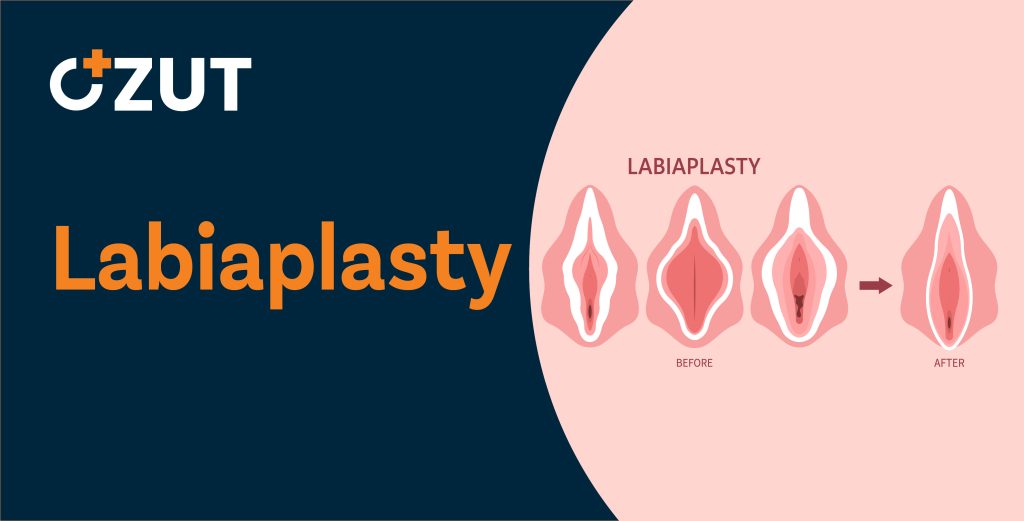
Labiaplasty represents a surgical procedure designed to reduce or reshape the labia minora, which are the inner skin folds located on either side of the vaginal opening. This cosmetic procedure has gained attention in recent years as more individuals seek information about genital cosmetic surgery options. Understanding the full scope of this procedure, including its medical necessity, costs, risks, and recovery process, is essential for anyone considering this surgical intervention.
Understanding Labiaplasty and Its Purpose
The procedure specifically targets the labia minora, aiming to reduce their size or alter their shape according to patient preferences. Many individuals seek this surgery due to aesthetic concerns about the appearance of their genital area. However, it is crucial to understand that visible skin folds around the vaginal opening are completely normal anatomical features. The natural variation in labial size and shape is significant among individuals, and what may seem unusual to one person is often within the normal range of human anatomy.
In most cases, prominent labia minora do not cause medical problems or functional difficulties. This anatomical variation typically does not interfere with daily activities, hygiene, or intimate relationships. Because of this, the procedure is rarely considered medically necessary and is generally classified as elective cosmetic surgery rather than a medical treatment.
Age Restrictions and Developmental Considerations
Medical professionals strongly advise against performing labiaplasty on individuals younger than eighteen years of age. This age restriction exists for important developmental reasons. The labial tissue continues to develop and change throughout puberty and into early adulthood. Performing surgery before this developmental process is complete could result in unpredictable outcomes, as the tissue may continue to grow and change after the procedure.
The genital area undergoes significant changes during adolescence, and what may appear prominent during teenage years may normalize as development continues. Healthcare providers emphasize the importance of allowing natural development to complete before considering any surgical intervention in this sensitive area.
Important Considerations Before Proceeding
Deciding to undergo labiaplasty requires careful thought and consideration. This is not a decision to be made lightly, as it involves permanent changes to your body and carries inherent risks associated with any surgical procedure. Several factors deserve thorough evaluation before committing to this surgery.
Financial Investment
The financial aspect of labiaplasty represents a significant consideration. The procedure typically costs approximately four thousand pounds in certain regions, though prices may vary based on location, surgeon experience, and facility fees. This quoted price may not include additional expenses such as initial consultations, pre-operative assessments, post-operative care, or potential revision procedures. Prospective patients should obtain detailed cost breakdowns and understand all financial obligations before proceeding.
Realistic Expectations
One critical factor to understand is that surgical outcomes cannot be guaranteed. Even with skilled surgeons and proper technique, results may not match your expectations. Furthermore, physical changes alone may not resolve underlying concerns about body image or self-esteem. Many individuals discover that their dissatisfaction persists even after successful surgery, suggesting that the root issues may be psychological rather than physical.
Medical Consultation
Before pursuing labiaplasty, consulting with a general practitioner is strongly recommended. A medical professional can assess whether any underlying conditions might be causing discomfort or concern. Some symptoms attributed to labial size may actually result from treatable medical conditions such as infections, dermatological issues, or other gynecological problems. Additionally, a healthcare provider can determine whether any medical contraindications exist that would make surgery inadvisable.
Psychological Assessment
Healthcare providers may recommend speaking with a counselor or psychologist before committing to surgery. This recommendation stems from recognition that body image concerns often have psychological components that surgery cannot address. Professional counseling can help individuals explore their motivations, address underlying body image issues, and determine whether surgery is truly the appropriate solution for their concerns.
Public Healthcare Availability
Labiaplasty is rarely available through public healthcare systems, as it is generally considered an elective cosmetic procedure rather than a medical necessity. However, certain circumstances may warrant coverage through public health services. These exceptional situations include congenital abnormalities where the vaginal lips are malformed, repair of significant tears sustained during childbirth, or removal of tissue affected by vulval cancer. In these medically indicated cases, the procedure serves a reconstructive or therapeutic purpose rather than purely cosmetic goals.
Selecting a Qualified Surgeon
Choosing an appropriately qualified and experienced surgeon represents one of the most important decisions in the labiaplasty process. Several steps can help ensure you select a competent professional.
Facility Registration and Accreditation
In certain regions, regulatory bodies oversee cosmetic surgery facilities. Prospective patients should verify that any clinic or hospital where they consider having surgery is properly registered with relevant regulatory authorities. All independent facilities providing cosmetic surgery should maintain current registration and meet established safety standards.
Surgeon Credentials
Verifying surgeon credentials is essential. Qualified surgeons should be registered with appropriate medical councils and listed on specialist registers with active licenses to practice. Most reputable cosmetic surgeons maintain membership in professional associations dedicated to plastic, reconstructive, and aesthetic surgery. These organizations typically maintain online registers where prospective patients can verify membership status.
Pre-Procedure Consultation
Always schedule an in-person consultation with the surgeon before committing to the procedure. This meeting provides an opportunity to assess the surgeon’s communication style, professionalism, and approach to patient care. During this consultation, ask specific questions about the surgeon’s qualifications, experience, and track record.
Essential Questions to Ask
Prepare a list of questions for your consultation. Important topics include the surgeon’s educational background and specialized training, professional association memberships, total number of labiaplasty procedures performed, complication rates and how complications were managed, follow-up care protocols if problems arise, and patient satisfaction statistics. A competent, ethical surgeon will answer these questions openly and provide detailed information to help you make an informed decision.
The Surgical Procedure Explained
Understanding what happens during labiaplasty helps patients prepare mentally and physically for the experience. The procedure can be performed using either general anesthesia, where the patient is completely unconscious, or local anesthesia combined with sedation, where the specific area is numbed while the patient remains in a relaxed, drowsy state.
The surgical technique involves shortening or reshaping the vaginal lips by removing unwanted tissue. Surgeons may use either a scalpel or laser technology to cut away excess tissue. After tissue removal, the surgeon closes the incision using fine, dissolvable stitches that do not require removal. The entire procedure typically takes between one and two hours, depending on the extent of tissue removal and reshaping required.
Many patients can return home the same day as their surgery, though this depends on the type of anesthesia used and individual recovery response. Some facilities may recommend overnight observation, particularly if general anesthesia was used or if any complications arise during the procedure.
Recovery Process and Timeline
Recovery from labiaplasty requires patience and careful adherence to post-operative instructions. The healing process occurs in stages, with different considerations at each phase.
Immediate Post-Operative Period
The first two weeks following surgery typically involve the most significant discomfort and activity restrictions. During this time, patients commonly experience soreness, bruising, and swelling in the surgical area. These symptoms are normal parts of the healing process and gradually diminish over time.
Work and Daily Activities
Most patients require up to two weeks off work to recover adequately. The exact duration depends on the nature of your work, with jobs requiring prolonged sitting or physical activity necessitating longer recovery periods. During this time, many routine activities may feel uncomfortable, including urination and sitting. Pain medication prescribed by your surgeon helps manage discomfort during this phase.
Activity Restrictions
Several important restrictions apply during the recovery period. Maintaining cleanliness and preventing infection in the surgical area is paramount. Wearing loose-fitting underwear and clothing helps prevent rubbing and irritation of healing tissues. Sexual activity should be avoided for at least four weeks to allow proper healing. Physical exercise and strenuous activities should be postponed for four to six weeks, as increased blood flow and physical stress can interfere with healing.
Complete Healing
While initial healing occurs within the first few weeks, complete healing of the skin and underlying tissues may take several months. During this extended period, the surgical site continues to remodel and settle into its final appearance. Patience during this phase is essential, as rushing the healing process or resuming activities too quickly can compromise results.
Expected Side Effects
Certain side effects are normal and expected following labiaplasty. Understanding these helps patients distinguish between normal healing and potential complications. Soreness, bruising, and swelling lasting up to two weeks are standard post-operative experiences. Discomfort during urination and sitting is also common during the initial recovery phase. These symptoms gradually improve as healing progresses, and prescribed pain medications help manage discomfort effectively.
Potential Risks and Complications
Like all surgical procedures, labiaplasty carries risks that patients must understand before consenting to surgery. While serious complications are relatively uncommon, they can occur and may require additional treatment.
Procedure-Specific Risks
Several complications can specifically result from labiaplasty. Bleeding beyond normal post-operative oozing may occur and could require medical intervention. Infection at the surgical site represents another risk, though proper hygiene and antibiotic use when indicated help minimize this possibility. Scarring of tissue can develop, potentially causing discomfort or aesthetic concerns. Perhaps most significantly, some patients experience reduced sensitivity in the genital area following surgery, which may be temporary or permanent and can affect sexual sensation.
General Surgical Risks
Any surgical procedure carries general risks regardless of the specific operation performed. Blood clots can form in veins, particularly in the legs, and may travel to other parts of the body causing serious complications. Allergic reactions to anesthesia, though rare, can occur and range from mild to life-threatening. Your surgeon should thoroughly explain the likelihood of these risks, how they would be identified, and what treatment protocols exist should complications arise.
Addressing Problems and Concerns
Despite careful planning and skilled surgical technique, cosmetic surgery outcomes sometimes fall short of expectations or complications may develop. Knowing how to address problems is important for all patients.
If complications arise after labiaplasty or if you feel dissatisfied with results, your first contact should be the surgeon who performed the procedure. Most reputable surgeons stand behind their work and will work with patients to address concerns or manage complications. Document all communications and keep records of your concerns and any responses received.
If you cannot resolve issues directly with your surgeon or have concerns about the quality of care received, regulatory bodies exist to investigate complaints and protect patient safety. These organizations can investigate concerns about medical facilities and individual practitioners. Understanding your rights as a patient and knowing where to turn for help ensures you can advocate effectively for yourself if problems arise.
Making an Informed Decision
Labiaplasty represents a significant decision with permanent consequences. Taking time to thoroughly research the procedure, understand risks and benefits, verify surgeon qualifications, and examine your motivations helps ensure you make the choice that truly serves your best interests. Remember that normal anatomical variation is just that—normal—and that surgical intervention is rarely medically necessary. If you decide to proceed, doing so with complete information and realistic expectations provides the best foundation for a satisfactory outcome.