
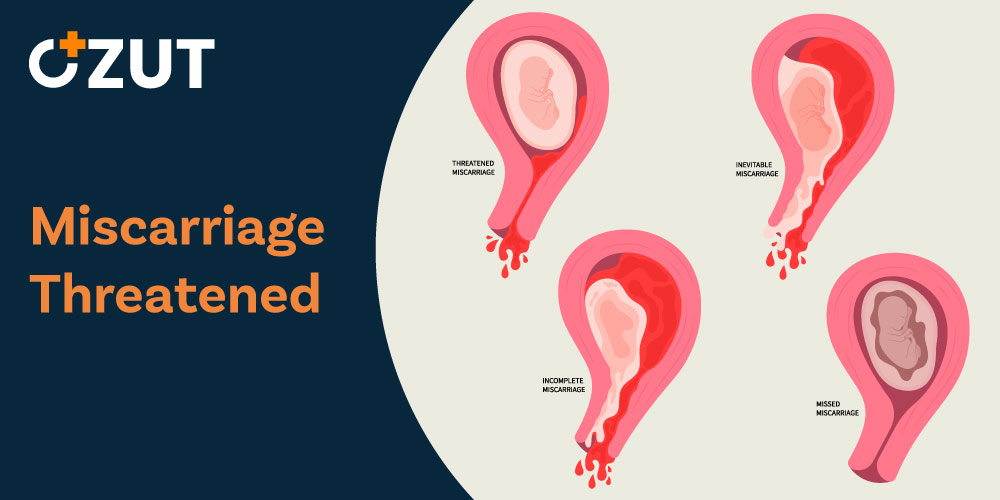
Understanding Threatened Abortion: Causes, Symptoms, and Management During Early Pregnancy
A threatened abortion refers to vaginal bleeding that occurs during the first 20 weeks of pregnancy, sometimes accompanied by abdominal cramps. The condition is termed “threatened abortion” or “threatened miscarriage” because these symptoms indicate a potential risk of miscarriage, though the pregnancy may continue normally.
What Is a Threatened Abortion?
Vaginal bleeding is relatively common among pregnant individuals. When bleeding occurs during early pregnancy, healthcare providers consider it a warning sign that requires immediate attention. Unlike a regular miscarriage, where tissue and clot-like material pass from the vagina along with dull or sharp pain in the abdomen and lower back, a threatened abortion presents with bleeding but the pregnancy remains viable.
If you experience any vaginal bleeding during pregnancy, especially when accompanied by cramping or pain, it’s crucial to contact your healthcare provider immediately. Early intervention can sometimes make a significant difference in pregnancy outcomes.
Causes and Risk Factors
The exact cause of threatened abortion isn’t always identifiable. However, several factors may increase the risk of experiencing this condition:
- Bacterial or viral infections during pregnancy
- Trauma to the abdominal area
- Advanced parental age (particularly over 35 years)
- Exposure to certain medications or chemicals
- Obesity
- Unmanaged diabetes
- Uncontrolled thyroid disease
Understanding these risk factors is important for both prevention and management. If you have pre-existing conditions such as diabetes or thyroid disease, working closely with your healthcare provider to manage these conditions before and during pregnancy is essential for reducing risks.
Medication Considerations
It’s important to inform your healthcare provider about any medications or supplements you’re taking. Some substances may be unsafe during pregnancy and could potentially contribute to pregnancy complications. Your provider can help determine which medications are safe to continue and which should be avoided or replaced with safer alternatives during pregnancy.
Diagnosis of Threatened Abortion
When threatened abortion is suspected, healthcare providers typically perform several examinations and tests to assess the situation and determine appropriate management.
Pelvic Examination
A pelvic exam allows your healthcare provider to examine your reproductive organs, including the vagina, cervix, and uterus. During this examination, they’ll look for the source of bleeding and determine whether the amniotic sac remains intact. This examination typically takes only a few minutes to complete but provides valuable information about the status of your pregnancy.
Ultrasound Assessment
Ultrasound imaging plays a crucial role in evaluating a threatened abortion. This non-invasive procedure helps monitor:
- The fetal heartbeat
- Fetal development
- The extent of any bleeding
- The integrity of the pregnancy
In early pregnancy, a transvaginal ultrasound is typically more accurate than an abdominal ultrasound. During a transvaginal ultrasound, an ultrasound probe is inserted about 2-3 inches into the vagina. This probe uses high-frequency sound waves to create detailed images of the reproductive organs, allowing for a more comprehensive assessment of the pregnancy.
Blood Tests
Blood tests, including a complete blood count, may be performed to check hormone levels and other indicators of pregnancy health. Two hormones are particularly important in evaluating a threatened abortion:
- Human Chorionic Gonadotropin (the company) : This hormone is produced during pregnancy, and its levels typically rise predictably during early pregnancy.
- Progesterone : This hormone supports pregnancy, and adequate levels are necessary for maintaining a healthy pregnancy.
Atypical levels of either hormone may indicate a problem with the pregnancy and help guide treatment decisions.
Management and Treatment Options
While a miscarriage often cannot be prevented once it begins, there are several approaches to managing a threatened abortion that may help improve outcomes in some cases.
Activity Modifications
Your healthcare provider might suggest certain activity modifications while you recover from a threatened abortion. These may include:
- Bed rest (although research supporting this intervention is limited)
- Temporarily avoiding sexual intercourse until symptoms resolve
It’s important to note that while these recommendations are common, scientific evidence supporting their effectiveness is not strong. Always discuss the rationale and expected benefits of any recommended activity restrictions with your healthcare provider.
Managing Underlying Conditions
Treating conditions that increase the risk of pregnancy complications is an important aspect of managing threatened abortion. This may include:
- Optimizing blood sugar control for those with diabetes
- Adjusting medication for hypothyroidism
- Weight management strategies for those with obesity
Addressing these underlying health issues can improve overall pregnancy outcomes and reduce the risk of complications.
Hormone Therapy
In some cases, your healthcare provider may recommend hormone therapy, such as progesterone injections, to support the pregnancy. This is particularly relevant if blood tests reveal low progesterone levels. Supplementing this hormone may help maintain the pregnancy in certain situations.
Rh Immunoglobulin
If you have Rh-negative blood and there’s a possibility that the developing fetus has Rh-positive blood, your healthcare provider will likely administer Rh immunoglobulin. This prevents your body from creating antibodies against the fetus’s blood, which could cause complications in current or future pregnancies.
Outcomes and Prognosis
Many individuals who experience a threatened abortion go on to deliver healthy babies. The prognosis is generally more favorable if:
- The cervix remains closed (not dilated)
- The fetus is securely attached to the uterine wall
- Hormone levels are normal or respond well to therapy
However, it’s important to understand that some threatened abortions do progress to actual miscarriages despite appropriate medical intervention. This outcome is not a reflection of the pregnant person’s actions or care but rather often relates to underlying issues with the pregnancy itself.
Emotional Impact and Support
Experiencing a threatened abortion can be extremely stressful and may lead to anxiety and depression. These emotional responses are normal and understandable given the uncertainty and concern about pregnancy outcomes.
If you’re experiencing symptoms of anxiety or depression following a threatened abortion or miscarriage, it’s important to discuss these feelings with your healthcare provider. They can help connect you with appropriate mental health resources, including:
- Counseling services
- Support groups where you can share experiences with others in similar situations
- Mental health professionals specializing in pregnancy-related concerns
Emotional support is a crucial component of comprehensive care during and after pregnancy complications.
Prevention Strategies for a Healthy Pregnancy
While it’s not always possible to prevent a miscarriage, certain behaviors can support a healthy pregnancy and potentially reduce risks:
Lifestyle Choices
- Avoiding alcohol consumption completely during pregnancy
- Not smoking cigarettes or using tobacco products
- Avoiding illegal drugs
- Limiting caffeine intake
- Avoiding foods associated with pregnancy risks (such as certain raw seafoods, unpasteurized dairy, etc.)
- Minimizing exposure to toxic chemicals and harsh cleaning solutions
Proactive Health Measures
- Promptly treating any viral or bacterial infections
- Taking prenatal vitamins, particularly those containing folic acid
- Engaging in moderate exercise (at least 2 hours per week, as approved by your healthcare provider)
- Maintaining a healthy weight before and during pregnancy
Early and Comprehensive Prenatal Care
One of the most effective ways to maintain a healthy pregnancy is to seek early and regular prenatal care. Early prenatal care allows healthcare providers to:
- Detect potential health problems before they become serious
- Monitor the development of the fetus
- Provide guidance on nutrition and lifestyle factors
- Address any concerns promptly
Regular check-ups throughout pregnancy help ensure that any complications are identified and managed early, improving the chances of a healthy pregnancy outcome.
When to Seek Immediate Medical Attention
Certain symptoms during pregnancy require immediate medical evaluation. Contact your healthcare provider immediately if you experience:
- Any vaginal bleeding during pregnancy
- Cramping or persistent abdominal pain
- Passage of tissue or clot-like material
- Severe back pain
- Fever accompanying any of these symptoms
Remember that early intervention can sometimes make a significant difference in pregnancy outcomes. Don’t hesitate to seek medical care if you’re concerned about any symptoms during pregnancy.
Conclusion
A threatened abortion is a concerning but manageable condition in early pregnancy. With prompt medical attention, appropriate management of risk factors, and careful monitoring, many pregnancies continue successfully despite early bleeding episodes. Understanding the signs, seeking timely care, and following medical recommendations are key steps in navigating this challenging situation.
If you experience symptoms of a threatened abortion, remember that medical support is available, both for the physical aspects of your pregnancy and for the emotional challenges that may arise. With proper care and support, many individuals go on to have healthy pregnancies and deliveries even after experiencing threatened abortion symptoms.