
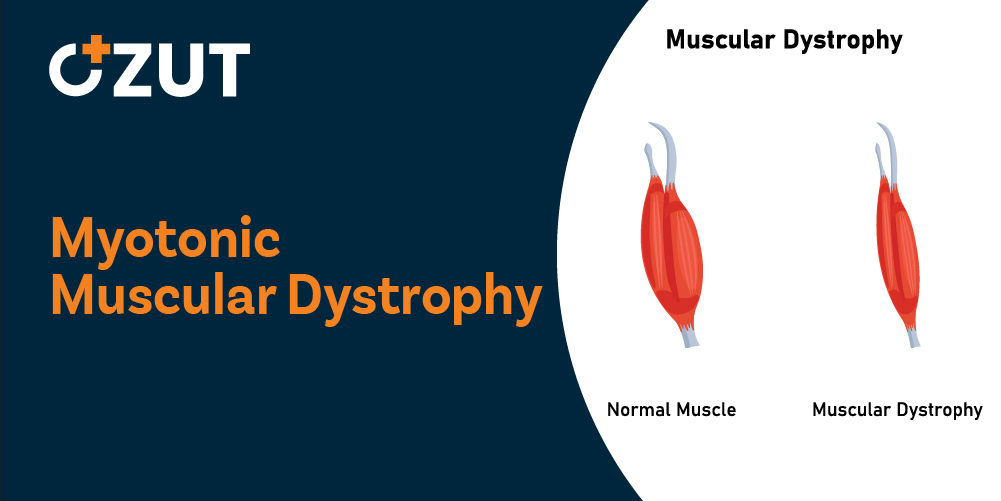
Understanding Myotonic Muscular Dystrophy: Symptoms, Diagnosis, and Comprehensive Treatment Approaches
Myotonic muscular dystrophy represents one of the most prevalent multi-system disorders affecting muscle function throughout the human body. This complex condition impacts not only the skeletal muscles responsible for voluntary movement but also extends its influence to smooth muscles controlling internal organ function and cardiac muscles essential for heart health. Understanding this disorder requires examining its varied manifestations, diagnostic procedures, and the comprehensive treatment strategies available to patients living with this condition.
What Is Myotonic Muscular Dystrophy
This inherited neuromuscular disorder affects multiple muscle groups and organ systems simultaneously. Unlike conditions that target isolated muscle groups, myotonic muscular dystrophy creates widespread effects throughout the body. The skeletal muscles, which enable movement of the limbs and trunk, experience progressive weakness and dysfunction. Simultaneously, smooth muscles that regulate digestive processes and cardiac muscles maintaining heart rhythm face similar challenges.
The condition derives its name from myotonia, a characteristic symptom where muscles contract normally but struggle to relax afterward. This delayed relaxation creates distinctive challenges in daily activities and serves as a hallmark feature distinguishing this disorder from other muscular conditions. The multi-system nature of this disease means that patients often experience complications extending far beyond simple muscle weakness.
Primary Symptoms and Clinical Manifestations
The symptom profile of myotonic muscular dystrophy varies considerably among affected individuals, creating a spectrum of clinical presentations. Understanding these diverse manifestations helps patients and healthcare providers recognize the condition early and implement appropriate management strategies.
Muscular Symptoms
The most recognizable muscular symptom involves difficulty releasing grip after grasping objects. This myotonia particularly affects hand muscles, making simple tasks like opening doors or releasing handshakes challenging. Patients often report that their hands feel stiff or locked, especially in cold weather or after periods of rest. Progressive weakness typically begins in the distal muscles of the hands and feet, gradually spreading to affect proximal muscle groups over time.
Facial muscles frequently show involvement, leading to characteristic facial features including ptosis, or drooping eyelids, and weakness of facial expression. The muscles responsible for swallowing may weaken, creating dysphagia that complicates eating and increases aspiration risk. These swallowing difficulties often necessitate dietary modifications and careful monitoring to prevent respiratory complications from aspirated food or liquids.
Cardiac Complications
Heart involvement represents one of the most serious aspects of this condition. Abnormal heart rhythms, including both slow and fast irregular heartbeats, occur frequently and may progress without obvious symptoms. Conduction abnormalities can lead to heart block, where electrical signals fail to transmit properly through cardiac tissue. These cardiac manifestations require vigilant monitoring as they pose significant health risks and may necessitate interventional treatments including pacemaker placement.
Non-Muscular Manifestations
The disorder extends beyond muscle tissue to affect cognitive function, with some patients experiencing learning difficulties or mild intellectual impairment. Excessive daytime sleepiness represents a common complaint, often resulting from central nervous system involvement rather than simply poor nighttime sleep quality. This somnolence can significantly impact daily functioning and quality of life.
Endocrine system involvement may cause infertility in both men and women, affecting family planning decisions. Ocular complications include early-onset cataracts, often appearing decades earlier than typical age-related lens opacities. These cataracts may require surgical intervention at relatively young ages to maintain visual function.
Types of Myotonic Muscular Dystrophy
Medical science recognizes two distinct forms of this condition, each caused by different genetic mutations but sharing overlapping clinical features. Understanding the differences between these types helps guide prognosis and management strategies.
Type 1 Characteristics
The first type results from abnormal expansions of repeated DNA sequences in a specific gene. This form demonstrates a phenomenon called anticipation, where the genetic mutation expands with each successive generation. As the repeat expansion enlarges, disease onset occurs earlier and symptoms manifest with greater severity in subsequent generations. This pattern means that children in affected families often develop symptoms at younger ages and experience more severe disease courses than their parents.
The anticipation phenomenon creates unique challenges for family planning and genetic counseling. Parents with mild symptoms may have children who develop severe manifestations in childhood or adolescence. This variability necessitates careful genetic counseling and family education about inheritance patterns and risks.
Type 2 Characteristics
The second type involves a different genetic mutation affecting a separate gene location. While sharing many clinical features with the first type, this form typically presents with milder symptoms and later onset. The anticipation phenomenon appears less pronounced in this type, and childhood-onset cases occur less frequently. Patients with this form often experience more prominent muscle pain and less severe myotonia compared to those with the first type.
Comprehensive Diagnostic Approaches
Establishing an accurate diagnosis requires integrating multiple information sources and diagnostic tools. The diagnostic process begins with careful clinical evaluation and progresses through increasingly specific testing modalities.
Clinical History and Physical Examination
The diagnostic journey starts with detailed history taking, including comprehensive family history spanning multiple generations. Healthcare providers look for patterns of muscle weakness, cardiac problems, or other suggestive symptoms in relatives. Physical examination focuses on identifying characteristic features including grip myotonia, distal muscle weakness, facial weakness, and temporal muscle wasting.
Providers test for myotonia by asking patients to make a tight fist and then rapidly open their hand. The delayed relaxation of finger muscles provides immediate clinical evidence of myotonia. Percussion myotonia, elicited by tapping muscles with a reflex hammer, creates visible sustained muscle contraction that slowly dissipates.
Laboratory and Electrodiagnostic Testing
Blood work provides initial screening for muscle damage through enzyme measurements. Elevated creatine kinase levels suggest ongoing muscle breakdown, though levels may remain normal or only mildly elevated in this condition. Electrodiagnostic testing using electromyography reveals characteristic electrical patterns in affected muscles. The EMG demonstrates myotonic discharges, producing a distinctive sound described as resembling a dive bomber, which experienced clinicians recognize immediately.
Muscle Biopsy Considerations
Muscle biopsy involves removing a small tissue sample for microscopic examination. This procedure helps distinguish inherited muscular dystrophies from acquired muscle diseases caused by inflammation, infection, or toxic exposures. The biopsy reveals characteristic changes including increased central nuclei, ring fibers, and type 1 fiber predominance. However, biopsy findings alone cannot definitively distinguish between different forms of muscular dystrophy.
Genetic Testing
Definitive diagnosis relies on genetic testing through blood samples. Modern molecular techniques identify the specific DNA repeat expansions responsible for each type. This testing provides certainty about diagnosis, enables accurate genetic counseling, and allows predictive testing for at-risk family members. Genetic counseling plays a crucial role in helping patients understand test implications, inheritance patterns, and reproductive options.
Multidisciplinary Treatment Strategies
Managing this complex disorder requires coordinated care from multiple medical specialties. No cure currently exists, but comprehensive treatment significantly improves quality of life and addresses specific complications as they arise.
Neurological Management
A neurologist typically coordinates overall care and monitors disease progression. For troublesome myotonia interfering with daily function, medications like mexiletine may provide relief by stabilizing muscle cell membranes and reducing delayed relaxation. However, medication use requires careful consideration of potential side effects and individual patient factors.
Cardiac Monitoring and Intervention
Regular cardiac evaluation forms a cornerstone of management. Electrocardiograms detect rhythm abnormalities and conduction defects, while echocardiography assesses heart muscle function and structure. Patients with significant conduction abnormalities may require pacemaker implantation to maintain adequate heart rate and prevent dangerous bradycardia. Some patients need implantable cardioverter-defibrillators to protect against life-threatening arrhythmias.
Pulmonary Function Assessment
Respiratory muscle weakness can compromise breathing efficiency, particularly during sleep. Pulmonary function testing measures lung capacity and respiratory muscle strength. Sleep studies may reveal sleep-disordered breathing requiring intervention with positive airway pressure devices. Patients with significant respiratory compromise may need assisted ventilation, especially during respiratory infections.
Ophthalmological Care
Regular eye examinations detect cataracts early, allowing timely surgical intervention when vision becomes impaired. Cataract surgery in these patients generally achieves excellent outcomes, restoring visual function and improving quality of life. Early detection and treatment prevent unnecessary visual disability.
Rehabilitation Medicine
Physical and occupational therapy provide essential support for maintaining function and independence. Therapists design individualized exercise programs that strengthen muscles without causing excessive fatigue or damage. Stretching exercises prevent or minimize contractures, maintaining joint range of motion. Therapists also recommend adaptive equipment and techniques for accomplishing daily activities despite weakness.
Orthotic Devices and Assistive Technology
Custom orthotics support weakened ankles and feet, improving walking stability and reducing fall risk. Hand splints may help with grip function or prevent contractures. Assistive devices ranging from simple tools to sophisticated technology enable greater independence in daily activities. Equipment specialists assess individual needs and recommend appropriate solutions.
Psychosocial Support
Living with a chronic progressive condition creates emotional and practical challenges. Support organizations provide resources, education, and community connections. Social workers help navigate insurance issues, disability applications, and financial assistance programs. Mental health professionals address depression, anxiety, and adjustment difficulties that commonly accompany chronic illness.
Living Successfully With Myotonic Muscular Dystrophy
Despite the challenges this condition presents, most affected individuals lead fulfilling, productive lives. Success requires proactive management, regular medical follow-up, and adaptation to changing abilities. Patients benefit from establishing care relationships with experienced healthcare teams familiar with the condition’s complexities and committed to comprehensive management.
Education empowers patients to recognize warning signs requiring medical attention and make informed decisions about their care. Understanding the condition helps patients advocate effectively for their needs and participate actively in treatment planning. Family education ensures that loved ones can provide appropriate support and recognize complications requiring intervention.
Maintaining overall health through balanced nutrition, appropriate exercise, and avoiding harmful substances supports optimal function. Patients should avoid medications that may worsen muscle weakness or cardiac conduction, including certain anesthetics and muscle relaxants. Discussing all medications with knowledgeable providers prevents inadvertent complications.
Future Directions and Hope
Research continues advancing understanding of disease mechanisms and developing potential therapies. Scientists investigate treatments targeting the underlying genetic defects and the cellular processes they disrupt. Clinical trials test novel therapeutic approaches, offering hope for future disease-modifying treatments. Participation in research studies contributes to advancing knowledge and may provide access to emerging therapies.
Improved genetic testing technologies enable earlier diagnosis and better family planning options. Prenatal testing and preimplantation genetic diagnosis offer reproductive choices for affected families. As understanding deepens, management strategies become increasingly sophisticated and effective.
The multidisciplinary approach to care continues evolving, incorporating new knowledge and technologies. Specialized centers with expertise in this condition provide comprehensive evaluation and coordinated management. These centers serve as resources for both patients and community healthcare providers, ensuring optimal care delivery.
Living with myotonic muscular dystrophy presents ongoing challenges, but comprehensive care, supportive resources, and advancing medical knowledge enable affected individuals to achieve their goals and maintain quality of life. Through partnership between patients, families, and dedicated healthcare teams, successful management of this complex condition becomes achievable, allowing individuals to focus on living full, meaningful lives despite their diagnosis.