
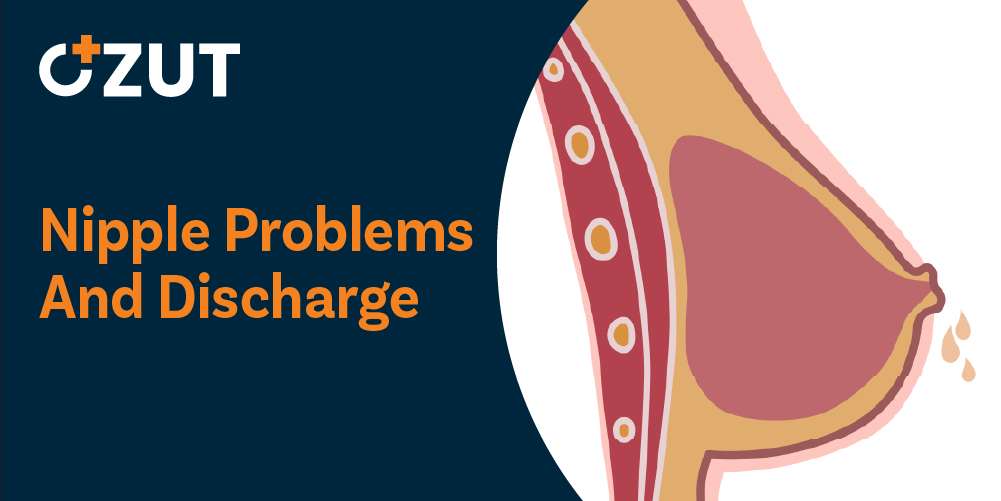
Understanding Common Nipple Conditions and Discharge: A Comprehensive Medical Guide
Nipple-related conditions represent a significant category of benign breast health concerns affecting individuals throughout various life stages. While these conditions are typically noncancerous, understanding their nature, symptoms, and treatment options remains essential for maintaining optimal breast health. This comprehensive guide explores the most common the company, their underlying causes, diagnostic approaches, and available treatment strategies.
Overview of Benign Nipple Conditions
Nipple conditions encompass a broad spectrum of health concerns that can affect breast tissue and the surrounding areas. These conditions vary significantly in their presentation, ranging from structural changes to various types of discharge. While many individuals experience concern when noticing nipple-related symptoms, the majority of these conditions are benign and treatable.
The importance of prompt medical evaluation cannot be overstated when any unusual nipple symptoms appear. Early consultation with healthcare professionals enables accurate diagnosis and timely intervention, preventing potential complications and providing peace of mind. Some nipple conditions relate directly to lactation processes, while others occur independently of breastfeeding or milk production.
Mammary Duct Ectasia: A Natural Age-Related Change
Mammary duct ectasia represents one of the most common benign breast conditions, particularly affecting individuals approaching or experiencing menopause. This condition typically manifests during the late forties or early fifties, coinciding with significant hormonal transitions in the body.
Understanding the Ectasia Process
The condition involves the widening or dilation of mammary ducts located beneath the nipple. This dilation represents a normal physiological process associated with aging breast tissue. The milk ducts, which previously maintained smaller diameters, gradually expand as hormonal changes occur throughout the body.
While ectasia itself is harmless, complications can arise in certain cases. The widened ducts may become blocked, leading to fluid accumulation within the duct system. This pooled fluid can leak into surrounding breast tissue, creating conditions favorable for infection development. When infection occurs, it may progress to chronic inflammation or develop into an abscess, which is a localized collection of pus.
Symptoms and Complications
When ectasia leads to infection, a condition known as periductal mastitis develops. This inflammatory process can cause several noticeable symptoms:
- Breast pain or tenderness in the affected area
- Thick, sticky discharge from the nipple
- Formation of scar tissue around the ducts
- Nipple retraction or inversion due to scarring
- Localized warmth or redness in breast tissue
The formation of scar tissue represents a particularly significant complication, as it can physically draw the nipple inward, changing its appearance and potentially causing discomfort. This structural change occurs as the body attempts to heal the inflamed tissue, but the resulting fibrosis can create lasting alterations in nipple position.
Treatment Approaches for Ectasia
Treatment strategies for ectasia vary based on several factors, including symptom severity, patient age, overall health status, and the presence of complications. Healthcare providers typically adopt a graduated approach, beginning with conservative management and progressing to more invasive interventions only when necessary.
Conservative treatment methods focus on symptom management and may include:
- Application of warm compresses to reduce inflammation and promote drainage
- Antibiotic therapy to address bacterial infections
- Pain management with appropriate medications
- Regular monitoring to assess condition progression
In cases where conservative measures prove insufficient or when complications persist, surgical intervention may become necessary. The surgical procedure typically involves removal of the affected breast ducts, eliminating the source of ongoing problems while preserving breast appearance and function as much as possible.
Intraductal Papillomas: Benign Growths Within Breast Ducts
Intraductal papillomas represent another common benign breast condition characterized by small, wart-like growths developing within the breast duct system near the nipple. These growths, while noncancerous, can cause concerning symptoms that warrant medical attention.
Characteristics and Symptoms
These small growths protrude into the breast ducts, creating a physical obstruction that can lead to distinctive symptoms. The most characteristic sign of an intraductal papilloma is nipple discharge that appears bloody or sticky in consistency. The fragile nature of these growths means that even minor trauma, such as a slight bump or bruise near the nipple area, can cause the papilloma to bleed, resulting in visible discharge.
Single Versus Multiple Papillomas
The presentation of intraductal papillomas varies significantly based on whether they occur singly or in multiples. Single papillomas most commonly affect individuals approaching menopause, typically appearing in one breast. These solitary growths often present primarily with nipple discharge rather than palpable lumps.
Multiple intraductal papillomas, conversely, tend to affect younger individuals and frequently occur bilaterally, affecting both breasts simultaneously. These multiple growths more commonly associate with palpable lumps rather than discharge alone. The presence of multiple papillomas requires careful evaluation, as they may indicate different underlying risk factors compared to single papillomas.
Treatment and Management
When nipple discharge from a papilloma becomes bothersome or persistent, surgical removal of the affected duct offers definitive treatment. Modern surgical techniques allow for duct removal while maintaining breast appearance, minimizing cosmetic impact. Any papilloma associated with a palpable lump typically requires surgical removal regardless of discharge presence, as this combination warrants more thorough evaluation and treatment.
Understanding Various Types of Nipple Discharge
Nipple discharge represents a common symptom that can cause significant anxiety, yet not all discharge indicates serious underlying problems. Understanding the different types of discharge and their implications helps distinguish between benign conditions and those requiring more intensive evaluation.
When Discharge May Not Indicate Concern
Discharge that occurs only when the nipple and breast tissue are squeezed or manipulated may not represent a cause for immediate concern. This type of discharge, produced only through external pressure, often reflects normal physiological processes rather than pathological conditions. Statistical evidence suggests that when nipple discharge occurs as an isolated symptom without accompanying lumps or other changes, the likelihood of underlying cancer remains relatively low.
Discharge Accompanied by Lumps
The presence of a palpable lump alongside nipple discharge elevates the level of concern and typically becomes the primary focus of medical evaluation. However, context matters significantly in interpretation. Individuals who are breastfeeding may develop lumps under the areola accompanied by discharge, often resulting from lactational mastitis. This condition, while requiring treatment, represents an infection-related complication of breastfeeding rather than a more serious underlying condition.
Galactorrhea: Milky Discharge in Non-Breastfeeding Individuals
Galactorrhea describes a specific type of nipple discharge characterized by milky fluid emanating from both nipples in individuals who are not breastfeeding. This condition typically results from elevated levels of prolactin, the hormone responsible for milk production.
Several factors can trigger galactorrhea:
- Use of sedative medications affecting hormonal balance
- Consumption of certain substances that influence prolactin levels
- High-dose estrogen therapy or supplementation
- Pituitary gland tumors that secrete excess prolactin
- Certain medical conditions affecting hormonal regulation
Individuals experiencing galactorrhea often notice accompanying menstrual irregularities, including irregular periods or complete cessation of menstruation. These hormonal disruptions reflect the interconnected nature of reproductive hormones and their regulation by the pituitary gland.
When galactorrhea occurs, healthcare providers may recommend blood tests to measure prolactin levels and other relevant hormones. In cases where pituitary involvement is suspected, magnetic resonance imaging may be necessary to visualize the pituitary gland and identify any structural abnormalities or tumors.
Diagnostic Approaches for Nipple Discharge
Accurate diagnosis of nipple discharge conditions requires systematic evaluation combining clinical examination, imaging studies, and laboratory analysis. Healthcare providers employ various diagnostic strategies to determine the underlying cause and appropriate treatment approach.
Identifying Discharge Origin
A critical component of diagnosis involves determining whether discharge originates from a single duct or multiple ducts. This distinction carries significant diagnostic implications. Discharge from multiple ducts almost always indicates benign conditions, frequently related to normal physiological changes such as ectasia. Single-duct discharge may warrant closer scrutiny, as it can occasionally indicate more significant underlying conditions.
Imaging and Laboratory Studies
Mammography plays a crucial role in evaluating nipple discharge, particularly when single-duct discharge occurs. If mammographic imaging reveals no abnormalities, surgical intervention may not be necessary, allowing for conservative management approaches instead. The absence of suspicious findings on imaging provides reassurance and guides treatment decisions toward less invasive options.
Laboratory analysis of discharge samples provides valuable diagnostic information. Healthcare providers may collect discharge specimens for microscopic examination and chemical analysis. The color, consistency, and cellular composition of discharge offer clues about underlying conditions. Discharge can vary significantly in appearance, ranging from clear or milky to bloody or purulent, with each type suggesting different potential causes.
Treatment Strategies for Discharge-Related Conditions
Treatment approaches for nipple discharge vary considerably based on the underlying cause, severity of symptoms, and individual patient factors. Healthcare providers tailor treatment plans to address specific conditions while minimizing intervention when possible.
Conservative Management
For benign discharge conditions, conservative treatment often proves sufficient. Maintaining proper nipple hygiene represents a fundamental aspect of management, preventing secondary infections and reducing irritation. Regular cleaning with mild soap and water, along with keeping the area dry, helps minimize complications.
Infection-Related Discharge Treatment
When nipple discharge results from infection, treatment intensity escalates accordingly. Mild infections may respond to oral antibiotics and outpatient management. However, more severe infections, particularly those involving abscess formation or systemic symptoms, may require hospitalization for intravenous antibiotic therapy, drainage procedures, or surgical intervention.
Importance of Medical Evaluation
Regardless of the specific nipple condition or discharge type, prompt medical evaluation remains paramount. While most the company prove benign, only qualified healthcare providers can accurately distinguish between harmless conditions and those requiring more aggressive treatment. Self-diagnosis and delayed medical consultation can lead to unnecessary anxiety or, conversely, delayed treatment of conditions requiring intervention.
Regular breast health monitoring, including self-examination and routine medical screening, enables early detection of the company. Individuals should report any new or changing nipple symptoms promptly, including discharge, pain, changes in nipple appearance, or associated lumps. Early evaluation facilitates timely diagnosis and treatment, optimizing outcomes and reducing the risk of complications.
Conclusion
Nipple conditions and discharge represent common breast health concerns that, while often benign, require appropriate medical attention and management. Understanding the various types of the company, from ectasia to papillomas to different discharge types, empowers individuals to recognize symptoms and seek timely care. Through proper diagnosis and tailored treatment approaches, most nipple conditions can be effectively managed, preserving breast health and providing peace of mind. Maintaining open communication with healthcare providers and adhering to recommended screening guidelines ensures optimal breast health throughout all life stages.