
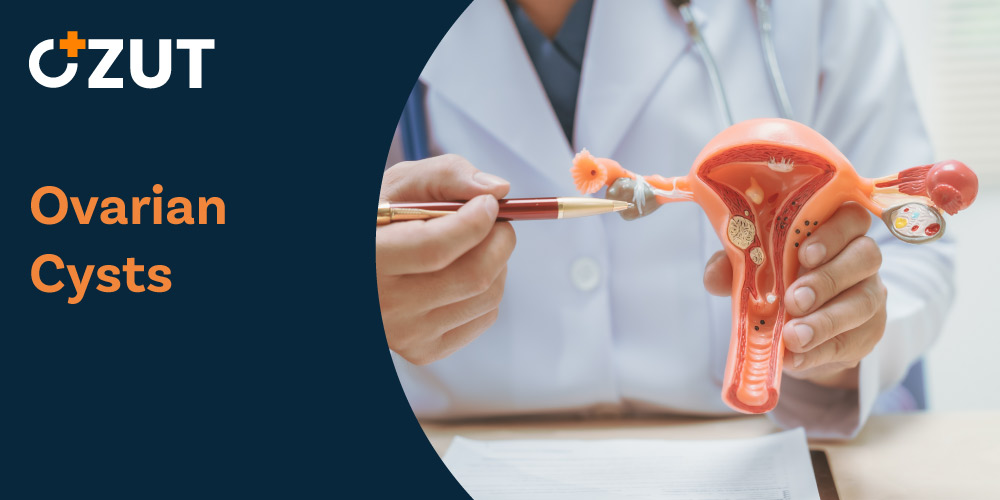
Understanding Ovarian Cysts: Types, Symptoms, and Treatment Options
Ovarian cysts are fluid-filled sacs that can form on one or both ovaries. They are extremely common in people with ovaries and often develop during the menstrual cycle. Most ovarian cysts are benign (noncancerous) and resolve on their own without requiring removal or treatment. However, in some cases, they may indicate an underlying condition that requires medical attention.
What Are Ovaries and Their Function?
The ovaries are essential components of the female reproductive system. Located in the lower abdomen on both sides of the uterus, these two small organs produce eggs and the hormones estrogen and progesterone. These hormones play crucial roles in regulating the menstrual cycle and supporting pregnancy.
Common Types of Ovarian Cysts
There are several types of ovarian cysts, with the most common being those that form during the normal menstrual cycle. These functional cysts include the company cysts and corpus luteum cysts.
the company Cysts
During each menstrual cycle, an egg grows in a sac called a follicle within the ovary. Normally, this follicle breaks open to release an egg during ovulation. However, if the follicle fails to rupture or release the egg, the fluid inside can accumulate and form a the company cyst. These cysts are typically small and often resolve within one to three menstrual cycles.
Corpus Luteum Cysts
After an egg is released during ovulation, the empty follicle transforms into a structure called the corpus luteum, which produces hormones needed for pregnancy. If the corpus luteum doesn’t dissolve as it should and instead seals off and fills with fluid, it becomes a corpus luteum cyst. These cysts usually disappear on their own within a few weeks but can sometimes grow quite large and cause discomfort.
Other Types of Ovarian Cysts
Beyond functional cysts that form during the menstrual cycle, there are several other types of ovarian cysts:
- Dermoid cysts : These are sac-like growths that can contain various types of tissues, including hair, fat, and even teeth-like structures. They develop from cells present from birth.
- Endometriomas : Also known as “chocolate cysts,” these form when endometrial tissue (the tissue that normally lines the uterus) grows outside the uterus and attaches to the ovaries. They’re often associated with endometriosis and can be painful.
- Cystadenomas : These growths develop on the outer surface of the ovaries and can be filled with a watery or mucous material.
Polycystic Ovary Syndrome (PCOS)
Some individuals develop a condition called polycystic ovary syndrome (PCOS), characterized by the formation of many small cysts on the ovaries. PCOS is a hormonal disorder that can cause the ovaries to enlarge and may lead to infertility if left untreated. Unlike typical ovarian cysts, PCOS involves a complex hormonal imbalance and requires specialized management.
Symptoms of Ovarian Cysts
Many ovarian cysts don’t cause any symptoms and are discovered incidentally during pelvic examinations or imaging tests performed for other reasons. However, when symptoms do occur, they may include:
- Abdominal bloating or swelling
- Pelvic pain, which may be dull or sharp
- Pain before or during menstrual periods
- Painful intercourse
- Pain in the lower back or thighs
- Breast tenderness
- Nausea and vomiting
- Painful bowel movements
Warning Signs of Complications
While most ovarian cysts are harmless, certain symptoms may indicate complications that require immediate medical attention. These include:
- Sudden, severe abdominal or pelvic pain
- Pain accompanied by fever or vomiting
- Dizziness, weakness, or feeling faint
- Rapid breathing
These symptoms could indicate a ruptured cyst or ovarian torsion (twisting of the ovary), both of which are serious conditions requiring prompt medical intervention.
Diagnosis of Ovarian Cysts
A healthcare provider may detect an ovarian cyst during a routine pelvic examination by noticing swelling on one of the ovaries. To confirm the presence of a cyst and gather more information about its characteristics, they may order an ultrasound.
Ultrasound is the primary imaging tool used to diagnose ovarian cysts. This non-invasive test uses high-frequency sound waves to create images of the internal organs. It helps determine the size, location, shape, and composition (solid or fluid-filled) of a cyst, which aids in determining the appropriate management approach.
Other imaging tests that may be used in certain situations include:
- CT scan (computed tomography)
- MRI (magnetic resonance imaging)
In some cases, blood tests may be ordered to check for signs of infection, hormonal problems, or potential cancer markers, especially in postmenopausal individuals.
Management and Treatment Options
Watchful Waiting
Since most ovarian cysts disappear on their own within a few weeks or months, healthcare providers often recommend a “wait and see” approach, especially for functional cysts in premenopausal individuals. They may schedule a follow-up ultrasound in a few weeks or months to monitor the cyst’s status.
Medication
For those who experience recurring ovarian cysts, healthcare providers may prescribe hormonal contraceptives (such as birth control pills) to prevent ovulation, which can reduce the formation of new functional cysts. Hormonal contraceptives may also help reduce the risk of ovarian cancer.
Pain relievers may be recommended to manage discomfort associated with ovarian cysts. Over-the-counter medications like ibuprofen or acetaminophen can often provide relief for mild to moderate pain.
Surgical Treatment
Surgery may be necessary in certain situations, such as when cysts:
- Are large (typically greater than 5-10 cm)
- Don’t resolve on their own
- Cause severe symptoms
- Appear suspicious for cancer
- Develop after menopause
Surgical options include:
Laparoscopy
This minimally invasive procedure involves making several small incisions in the abdomen. The surgeon inserts a thin, lighted instrument (laparoscope) to view the ovaries and remove the cyst. Laparoscopy typically results in shorter recovery times and less scarring compared to traditional open surgery.
Laparotomy
For larger cysts or when cancer is suspected, a laparotomy may be performed. This procedure involves making a larger incision in the abdomen to remove the cyst. During the surgery, a tissue sample may be taken for biopsy to check for cancer.
Potential Complications of Ovarian Cysts
Cyst Rupture
Sometimes, an ovarian cyst can rupture or burst, releasing its contents into the abdomen. This can cause sudden, severe pain and potentially lead to infection. While many ruptured cysts resolve without intervention, severe cases may require medical attention or surgery.
Ovarian Torsion
Ovarian torsion is a rare but serious complication that occurs when a large cyst causes an ovary to twist or rotate, cutting off its blood supply. This condition can lead to tissue death if not treated promptly. Symptoms include sudden, severe pelvic pain, nausea, and vomiting. Ovarian torsion requires emergency surgery to untwist the ovary and remove the cyst.
Impact on Fertility
Most ovarian cysts do not affect fertility. In fact, functional cysts are often a sign of normal ovulation. However, certain types of cysts may impact fertility:
- Endometriomas may indicate endometriosis, which can affect fertility
- Large cysts that damage ovarian tissue
- Cysts associated with PCOS, which can disrupt normal ovulation
Treatment approaches for those concerned about fertility will take into account the need to preserve ovarian function. In many cases, careful surgical techniques can remove problematic cysts while preserving fertility.
Ovarian Cysts After Menopause
While ovarian cysts can occur at any age, they are less common after menopause when ovulation ceases. When postmenopausal individuals develop ovarian cysts, healthcare providers typically recommend further evaluation and often surgical removal. This is because the risk of ovarian cancer increases with age, particularly after menopause.
It’s important to note, however, that having ovarian cysts does not increase the risk of developing ovarian cancer. The concern is simply that any growth on the ovaries after menopause warrants careful investigation.
Prevention and Self-Care
While there’s no guaranteed way to prevent all ovarian cysts, certain measures may help reduce the risk of developing problematic cysts:
- Regular gynecological check-ups to detect any issues early
- Hormonal birth control for those prone to functional cysts
- Maintaining a healthy weight
- Managing stress through relaxation techniques
- Recognizing and reporting unusual symptoms promptly
Home Management for Cyst Symptoms
For mild symptoms associated with ovarian cysts, several self-care measures may provide relief:
- Using over-the-counter pain relievers as directed
- Applying heat to the lower abdomen to relieve pain
- Taking warm baths
- Practicing relaxation techniques to manage pain
- Avoiding activities that might worsen pain
When to Seek Medical Attention
Contact a healthcare provider if you experience:
- Persistent pelvic pain
- Changes in your menstrual cycle
- Pain during intercourse
- Symptoms that worsen over time
Seek immediate medical care if you experience sudden, severe abdominal pain, especially if accompanied by fever, vomiting, dizziness, or rapid breathing, as these could indicate serious complications.
Outlook and Prognosis
The outlook for individuals with ovarian cysts is generally excellent. Most functional cysts resolve without treatment within a few menstrual cycles. Even when surgery is required, recovery is typically straightforward with minimal long-term effects.