
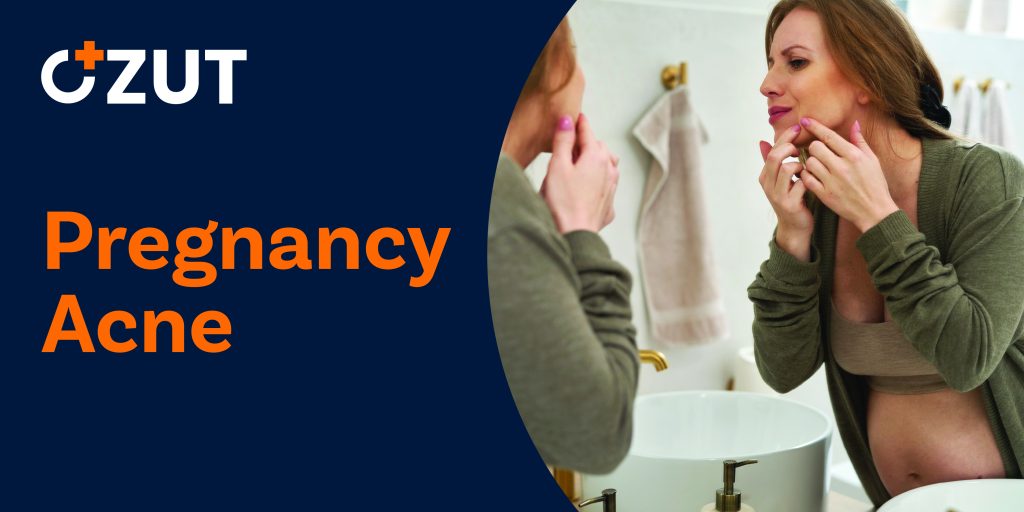
How to Safely Manage Acne During Pregnancy: A Complete Guide
Experiencing skin changes during pregnancy is incredibly common, and acne is one of the most frequent concerns expectant mothers face. Understanding how to safely address these breakouts while protecting your developing baby is essential for maintaining both skin health and peace of mind throughout this transformative period.
Understanding Pregnancy-Related Acne
Acne during pregnancy is not a distinct medical condition but rather a manifestation of normal skin changes triggered by hormonal fluctuations. When the body increases production of certain hormones, the sebaceous glands respond by generating excess oil, known as sebum. This overproduction creates an ideal environment for clogged pores and bacterial growth, leading to the development of pimples, blackheads, and other blemishes.
The hormonal surge that occurs during pregnancy affects different individuals in varying ways. Some women experience clear, glowing skin, while others struggle with persistent breakouts. These variations depend on individual hormone sensitivity, genetic predisposition, and pre-existing skin conditions. Understanding that this response is normal can help reduce anxiety about the condition.
Fundamental Self-Care Strategies for Clear Skin
The foundation of managing acne during pregnancy begins with establishing a consistent, gentle skincare routine. These self-care practices form the first line of defense against breakouts and can significantly improve skin condition without requiring medication.
Proper Cleansing Techniques
Washing your face correctly is crucial for preventing and treating acne. Use a mild, gentle cleanser twice daily, applying it with clean hands rather than abrasive tools. Lukewarm water works best, as hot water can strip the skin of natural oils, triggering increased sebum production. The key is consistency and gentleness rather than aggressive scrubbing.
Many people mistakenly believe that vigorous washing will eliminate acne faster. However, excessive cleansing and harsh scrubbing actually irritate the skin, worsen inflammation, and can lead to more breakouts. The goal is to remove excess oil and impurities without damaging the skin barrier.
Products to Avoid During Pregnancy
Certain skincare products can aggravate acne-prone skin during pregnancy. Facial scrubs with rough particles, astringents containing high alcohol concentrations, and exfoliating treatments should be avoided. These products strip the skin of protective oils and cause irritation that triggers the body to produce even more sebum as a compensatory mechanism.
Additionally, oily or greasy cosmetics, heavy sunscreens, and certain hairstyling products can clog pores and contribute to breakouts. When selecting skincare and cosmetic products, look for labels indicating they are water-based or noncomedogenic, meaning they are specifically formulated not to block pores.
Hair Care Considerations
For individuals who develop acne along the hairline, daily shampooing becomes particularly important. Hair products, natural scalp oils, and sweat can migrate to the forehead and temples, creating conditions favorable for acne development. Regular hair washing removes these potential irritants and keeps the hairline area cleaner.
When styling hair, keep it away from your face as much as possible. Hair touching the skin transfers oils and products that can clog pores. Consider hairstyles that keep hair pulled back, especially during sleep and exercise.
Behavioral Habits That Impact Skin Health
Avoiding Physical Manipulation of Blemishes
The temptation to pick, squeeze, or pop pimples is strong, but resisting this urge is critical. Physical manipulation of acne lesions introduces bacteria from your hands into the affected area, significantly increasing the risk of infection. Furthermore, squeezing blemishes damages surrounding tissue, leading to scarring that may become permanent.
When you feel the urge to touch a blemish, remind yourself that healing occurs faster when lesions are left undisturbed. If a pimple becomes particularly bothersome, consult a healthcare provider about safe extraction methods rather than attempting it yourself.
Minimizing Skin Contact
Throughout the day, numerous objects and surfaces come into contact with your face, often without conscious awareness. Resting your chin on your hands, holding a phone against your cheek, or touching your face while thinking all transfer bacteria and oils to the skin. Developing awareness of these habits and actively working to reduce facial contact can significantly decrease breakout frequency.
Objects that regularly touch your face should be cleaned frequently. This includes items like phone screens, eyeglasses, and pillowcases. Bacteria accumulate on these surfaces and transfer to the skin during contact.
Clothing and Accessory Considerations
Tight-fitting clothing, hats, and headbands can trap sweat and oil against the skin, creating an environment conducive to acne development. This is particularly problematic in areas where fabric applies constant pressure or friction. When possible, choose breathable fabrics and looser-fitting items, especially during physical activity or in warm weather.
Sweat itself does not cause acne, but when combined with oils, dead skin cells, and bacteria, it contributes to pore blockage. After sweating, cleanse the affected areas as soon as practical to remove this mixture before it can penetrate pores.
Safe Medication Options During Pregnancy
When self-care measures prove insufficient, medication may become necessary. However, selecting appropriate treatments during pregnancy requires careful consideration, as substances applied to the skin or taken orally can enter the bloodstream and potentially affect fetal development.
Understanding Topical Treatment Safety
Most topical acne treatments available without a prescription have not undergone extensive study in pregnant populations. However, the small amounts of active ingredients absorbed through the skin generally make these products unlikely to pose significant risk to a developing baby. The key is choosing treatments with established safety profiles.
Healthcare providers typically recommend starting with the most conservative treatment options and progressing to stronger medications only if necessary. This approach minimizes potential exposure while still addressing the skin condition effectively.
Recommended Safe Treatments
Several topical antibiotics are considered safe for use during pregnancy. Treatments containing erythromycin and clindamycin have been used extensively without evidence of harm to developing babies. These medications work by reducing the bacteria that contribute to acne inflammation.
Benzoyl peroxide, a common over-the-counter acne treatment, is also generally considered safe during pregnancy. This ingredient works by killing acne-causing bacteria and helping to unclog pores. Azelaic acid represents another safe option, offering both antibacterial and anti-inflammatory properties that address multiple aspects of acne development.
Medications to Strictly Avoid
Oral Medications With Known Risks
Certain acne medications carry well-documented risks of birth defects and must be completely avoided during pregnancy. Oral isotretinoin, a powerful medication used for severe acne, is known to cause serious birth defects affecting the brain, heart, and other organs. Women taking this medication must use reliable contraception and discontinue the drug well before attempting pregnancy.
The risks associated with oral isotretinoin are so significant that prescribing physicians implement strict monitoring programs to prevent pregnancy during treatment. Any woman who becomes pregnant while taking this medication should discontinue it immediately and consult her healthcare provider.
Topical Retinoids and Pregnancy
Retinoids, derivatives of vitamin A, are highly effective acne treatments available in both prescription and over-the-counter formulations. However, these products should be avoided during pregnancy despite the relatively small amounts absorbed through the skin. The potential risks, though less severe than oral isotretinoin, warrant caution.
Reading product labels carefully is essential, as retinoids appear in various skincare products beyond those specifically marketed for acne. Ingredients to avoid include tretinoin, adapalene, tazarotene, and retinol. When in doubt about a product’s safety, consult a healthcare provider before use.
Creating an Effective Prevention Strategy
Establishing a Consistent Routine
Consistency is paramount when managing pregnancy acne. Establishing a regular skincare routine and adhering to it daily produces better results than sporadic intensive treatments. This routine should include gentle cleansing morning and night, application of appropriate treatments, and use of noncomedogenic moisturizer to maintain skin barrier function.
Track your skin’s response to different products and practices in a journal. This record helps identify which strategies work best for your individual situation and allows you to make informed adjustments over time.
Dietary and Lifestyle Factors
While the relationship between diet and acne remains complex, maintaining overall health supports skin wellness. Staying well-hydrated helps the body eliminate toxins and maintains skin moisture balance. A balanced diet rich in fruits, vegetables, and whole grains provides nutrients essential for skin health and repair.
Adequate sleep is crucial during pregnancy for numerous reasons, including skin health. During sleep, the body repairs damaged tissues and regulates hormone levels. Poor sleep quality can exacerbate hormonal imbalances that contribute to acne.
When to Seek Professional Guidance
If self-care measures fail to improve your acne after several weeks, or if breakouts become severe, consulting a healthcare provider is advisable. A medical professional can assess your specific situation, recommend safe treatment options, and monitor your progress.
Healthcare providers specializing in pregnancy can help you weigh the benefits and risks of various treatment approaches. They understand which medications are safe at different stages of pregnancy and can adjust recommendations based on your individual circumstances.
Signs That Require Medical Attention
Certain acne presentations warrant prompt medical evaluation. Large, painful cysts that develop deep under the skin may require professional treatment to prevent scarring. If acne is accompanied by other symptoms like excessive hair growth or irregular periods before pregnancy, underlying hormonal conditions may need investigation.
Severe emotional distress related to acne also justifies seeking help. Pregnancy brings numerous physical and emotional challenges, and struggling with skin problems can significantly impact mental health and self-esteem. Healthcare providers can offer both medical treatments and emotional support.
Long-Term Outlook and Postpartum Considerations
For many women, pregnancy-related acne improves after delivery as hormone levels gradually return to pre-pregnancy states. However, the timeline varies considerably among individuals. Some women experience continued breakouts during breastfeeding due to ongoing hormonal fluctuations, while others see rapid improvement.
Maintaining the gentle skincare habits developed during pregnancy often benefits skin health long-term. The conservative approach to product selection and emphasis on consistent, gentle care serves as an excellent foundation for ongoing skin maintenance.
Emotional Wellness and Self-Acceptance
Dealing with acne during pregnancy can feel frustrating, especially when you hoped for the proverbial pregnancy glow. Remember that skin changes are temporary and do not reflect your worth or beauty. Many women experience similar challenges, and seeking support from others who understand can provide comfort and practical advice.
Focus on the aspects of your health you can control while accepting that some changes are simply part of the pregnancy journey. Prioritizing overall wellness, including stress management and self-care, benefits both you and your developing baby far more than achieving perfect skin.
Managing acne during pregnancy requires patience, consistency, and informed decision-making. By combining gentle self-care practices with safe treatment options when necessary, most women can effectively control breakouts while protecting their baby’s health. Working closely with healthcare providers ensures you receive personalized guidance tailored to your specific needs and circumstances throughout this important time.