
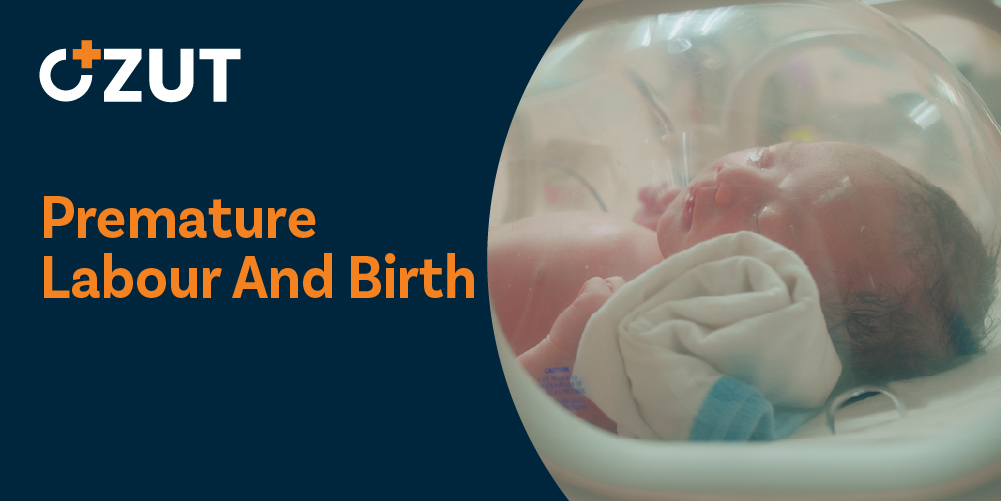
Understanding Early Labour: Signs, Risks, and Medical Management Before 37 Weeks
Early labour, medically defined as labour occurring before the thirty-seventh week of pregnancy, represents a significant concern in maternal and neonatal healthcare. Statistical data indicates that approximately eight percent of all births occur before this critical gestational milestone. Understanding the warning signs, available medical interventions, and potential outcomes becomes essential for expectant parents navigating this challenging situation.
Recognizing Warning Signs of Early Labour
Identifying the symptoms of early labour requires careful attention to bodily changes that differ from normal pregnancy discomfort. Expectant parents should remain vigilant for specific indicators that warrant immediate medical consultation. These warning signs serve as critical alerts that medical evaluation is necessary to assess both maternal and fetal wellbeing.
Primary Symptoms Requiring Immediate Medical Attention
Several distinct symptoms indicate the possible onset of early labour. Regular contractions or tightening sensations in the abdomen represent one of the most recognizable signs. These contractions differ from the irregular practice contractions that occur throughout pregnancy, presenting instead with consistent timing and increasing intensity.
Period-type pains in the lower abdomen or pelvic region constitute another significant warning sign. These sensations may feel similar to menstrual cramping but occur during pregnancy when such discomfort should not be present. The persistent nature of these pains distinguishes them from typical pregnancy-related discomfort.
Fluid discharge from the vagina, whether appearing as a sudden gush or gradual trickle, requires immediate medical evaluation. This fluid may indicate rupture of the amniotic membranes, commonly referred to as water breaking. The premature rupture of these protective membranes creates potential complications that necessitate prompt medical intervention.
Unusual backache that differs from typical pregnancy-related back discomfort also warrants medical consultation. This pain often presents in the lower back region and may radiate to other areas. The distinctive quality of this backache, particularly its sudden onset or unusual intensity, sets it apart from common pregnancy discomfort.
Medical Evaluation and Diagnostic Procedures
When expectant parents contact healthcare providers with concerns about early labour, a comprehensive evaluation process begins. Medical facilities employ various diagnostic tools and assessment methods to determine whether labour has commenced and to evaluate the health status of both the pregnant individual and the developing baby.
Initial Assessment Procedures
Healthcare providers conduct thorough examinations to establish whether labour has begun. A vaginal examination allows medical professionals to assess cervical changes, including dilation and effacement, which indicate labour progression. This examination provides crucial information about the immediate risk of delivery.
Blood tests help identify potential infections or other medical conditions that might contribute to early labour. These laboratory analyses examine various markers that indicate maternal health status and potential complications requiring intervention.
Urine testing serves multiple purposes in the evaluation process. These tests can detect urinary tract infections, which sometimes trigger early labour, and assess kidney function and other metabolic indicators relevant to pregnancy health.
Cardiotocography monitoring records both uterine contractions and fetal heart rate patterns. This continuous monitoring provides real-time information about contraction frequency and intensity while simultaneously assessing fetal wellbeing through heart rate analysis. The data gathered through this monitoring helps guide clinical decision-making regarding appropriate interventions.
Planned Early Delivery for Medical Reasons
In certain circumstances, healthcare providers recommend intentionally initiating delivery before the thirty-seventh week. This planned early delivery occurs when continuing the pregnancy poses greater risks than the challenges associated with early birth. Medical professionals carefully weigh multiple factors when making these critical decisions.
Maternal Health Conditions Necessitating Early Delivery
Specific maternal health conditions may require early delivery to protect the pregnant individual’s wellbeing. Severe hypertensive disorders of pregnancy represent one category of conditions that might necessitate early delivery. These conditions can progress rapidly and pose serious health risks if pregnancy continues.
Other maternal medical complications, including certain cardiac conditions, kidney disorders, or liver dysfunction, may also warrant early delivery. Healthcare providers conduct thorough risk-benefit analyses, discussing with expectant parents the advantages of early delivery compared to the risks of pregnancy continuation.
Fetal Health Concerns Prompting Early Delivery
Fetal health complications sometimes necessitate early delivery to optimize outcomes. Growth restriction, where the developing baby fails to reach expected size milestones, may indicate placental insufficiency requiring delivery. Certain fetal anomalies or conditions detected through prenatal testing might also benefit from early delivery and immediate specialized care.
Healthcare teams engage expectant parents in detailed discussions about these decisions, ensuring informed consent and collaborative decision-making. Birth planning remains possible even with planned early delivery, allowing families to express their preferences and wishes within the context of medical necessity.
Management of Premature Membrane Rupture
When amniotic membranes rupture before labour begins and before the thirty-seventh week, a specific medical situation arises requiring careful management. This condition, known medically as preterm prelabour rupture of membranes, creates increased infection risks for both the pregnant individual and the developing baby.
Medical Interventions for Membrane Rupture
Healthcare providers offer antibiotic therapy to reduce infection risk following membrane rupture. These medications help prevent bacterial infections that could compromise maternal and fetal health. Regular infection monitoring through laboratory tests accompanies antibiotic treatment, allowing early detection of any developing infections.
Hospital admission for observation may be recommended for several days following membrane rupture. This monitoring period allows healthcare providers to assess for signs of infection or labour onset while ensuring rapid intervention if complications develop.
Home Monitoring After Membrane Rupture
Following initial hospital evaluation and stabilization, expectant parents may return home with specific instructions for monitoring and when to seek immediate medical attention. Elevated body temperature or feelings of being hot, cold, or experiencing chills indicate possible infection requiring urgent evaluation.
Changes in vaginal discharge characteristics warrant immediate medical consultation. Greenish coloration or foul odor in amniotic fluid suggests infection. Vaginal bleeding also requires prompt medical assessment, as does abdominal or back pain beyond typical pregnancy discomfort.
Contraction onset following membrane rupture necessitates immediate contact with healthcare providers. Changes in fetal movement patterns, including decreased movement or alterations in the usual pattern of activity, require urgent medical evaluation to assess fetal wellbeing.
Medical Interventions to Delay or Stop Early Labour
When early labour begins without membrane rupture, healthcare providers may offer interventions aimed at delaying or stopping labour progression. These interventions provide time for other treatments to take effect and may allow pregnancy to continue closer to full term.
Medications to Slow Labour Progression
Specific medications can reduce uterine contractions and potentially halt labour progression. Healthcare providers carefully evaluate whether these medications are appropriate based on gestational age, maternal health status, and fetal wellbeing indicators. Not all situations warrant labour-delaying interventions, particularly when continuing pregnancy poses greater risks than early delivery.
Steroid Therapy for Fetal Lung Maturation
Corticosteroid injections represent a crucial intervention when early delivery appears likely. These medications accelerate fetal lung development, significantly improving respiratory outcomes for babies born before full lung maturity. The treatment course typically involves multiple injections administered over a specific timeframe.
Healthcare providers generally offer steroid therapy before the thirty-sixth week of pregnancy. After this gestational age, fetal lungs typically demonstrate sufficient maturity for independent breathing, making steroid administration less beneficial.
Neuroprotective Medications
For pregnancies between twenty-four and twenty-nine weeks gestation, magnesium sulfate administration through intravenous infusion provides neuroprotective benefits. This medication helps protect developing brain tissue and nervous system structures, reducing risks of neurological complications associated with early birth.
Healthcare providers may also offer magnesium sulfate for pregnancies between thirty and thirty-three weeks gestation. This intervention helps prevent complications such as cerebral palsy and other neurological conditions linked to early birth.
Prolonged magnesium sulfate administration, extending beyond five to seven days or involving multiple treatment courses, occurs rarely. Extended use has been associated with potential bone development concerns in newborns, though such complications remain uncommon. Newborns exposed to prolonged magnesium sulfate therapy receive additional monitoring to detect any skeletal issues.
Preventive Treatments for High-Risk Pregnancies
Certain pregnancy histories or medical factors increase the likelihood of early labour. Healthcare providers offer preventive interventions to individuals with these risk factors, potentially reducing the chance of early delivery.
Risk Factors Warranting Preventive Treatment
Previous early delivery before thirty-four weeks gestation significantly increases the risk of recurrence in subsequent pregnancies. Pregnancy loss occurring after sixteen weeks gestation also indicates elevated risk for future early labour. Previous premature membrane rupture before thirty-seven weeks suggests vulnerability to recurrence.
Cervical injury from previous surgical procedures, including certain gynecological operations, may compromise cervical integrity and increase early labour risk. These historical factors prompt healthcare providers to offer preventive interventions during subsequent pregnancies.
Diagnostic Assessment and Treatment Options
Vaginal ultrasound examination between sixteen and twenty-four weeks gestation allows assessment of cervical length and structure. Cervical length measurements below twenty-five millimeters correlate with increased early labour risk, helping identify candidates for preventive treatment.
Two primary preventive treatments exist for high-risk pregnancies. Progesterone hormone therapy, administered as vaginal tablets, helps maintain pregnancy and reduce early labour risk. Cervical cerclage, a surgical procedure placing supportive stitches in the cervix, provides mechanical support to prevent premature cervical changes.
Healthcare providers discuss the specific risks and benefits of each preventive approach based on individual circumstances. Treatment typically begins before twenty-four weeks gestation to maximize effectiveness. Emergency preventive interventions may be considered when early labour signs appear, though these situations require careful evaluation of risks and benefits.
Neonatal Risks Associated with Early Birth
Babies born before completing thirty-seven weeks of development face various health challenges related to incomplete organ system maturation. The degree of risk correlates directly with gestational age at birth, with earlier births presenting greater challenges.
Viability and Specialized Care Requirements
Survival becomes possible for babies born around twenty-four weeks gestation and beyond, though outcomes improve significantly with each additional week of development. Babies born at these early gestational ages require intensive specialized care in neonatal units equipped with advanced life support technology and staffed by professionals trained in premature infant care.
Respiratory challenges represent one of the most significant concerns for early-born babies. Incomplete lung development necessitates breathing support through various technologies, from supplemental oxygen to mechanical ventilation. The duration and intensity of respiratory support depend on gestational age at birth and individual developmental factors.
Long-Term Health and Development Considerations
Early birth increases risks for various health and developmental challenges extending beyond the immediate newborn period. Neurological development may be affected, potentially impacting cognitive function, motor skills, and sensory processing. Vision and hearing development may also be compromised, requiring ongoing monitoring and intervention.
Digestive system immaturity creates feeding challenges and increases risks for intestinal complications. Temperature regulation difficulties necessitate specialized warming equipment. Immune system immaturity increases infection susceptibility, requiring careful infection control measures and sometimes preventive antibiotic therapy.
Healthcare Facility Considerations and Transfer Protocols
Not all medical facilities possess the specialized equipment and expertise required for caring for very early babies. When early delivery appears likely, transfer to a facility with appropriate neonatal intensive care capabilities becomes necessary to optimize outcomes.
Healthcare providers coordinate transfers before delivery whenever possible, ensuring that specialized care is immediately available when the baby is born. This proactive approach avoids the