
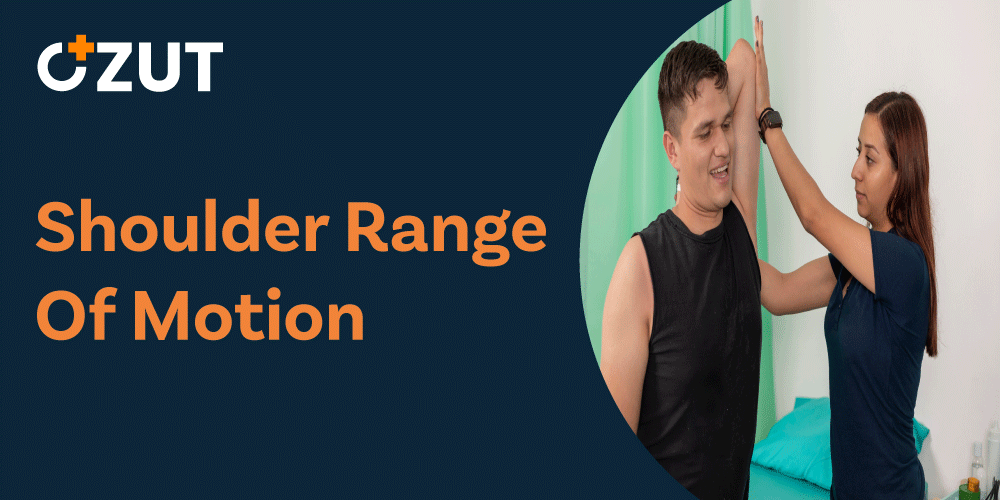
Understanding Shoulder Range of Motion: Types, Measurements, and Common Issues
The shoulder joint represents one of the most mobile and complex structures in the human body. Shoulder range of motion refers to how far you can move each shoulder in different directions without experiencing significant joint pain or mobility restrictions. This comprehensive guide explores the various types of shoulder movements, normal ranges, and factors that can impact your shoulder mobility.
The Anatomy of the Shoulder
Your shoulder is a sophisticated system comprised of five joints and three bones working together to facilitate movement. This intricate arrangement allows for exceptional mobility compared to other joints in the body. The healthy function and range of motion of your shoulders depend on several anatomical components:
- Bones (humerus, scapula, and clavicle)
- Muscles (including the rotator cuff muscles)
- Tendons
- Ligaments
- Joint capsules
This complex network enables your shoulders to move in multiple directions with varying ranges of motion. Understanding these movements is essential for recognizing potential issues and maintaining optimal shoulder health.
Primary Types of Shoulder Movement
The shoulder can perform several distinct movements, each with its own normal range of motion. These movements are fundamental to everyday activities from reaching overhead to hugging someone or putting something in your back pocket.
Shoulder Flexion
Flexion occurs when you decrease the angle between two connected parts at a joint. In the shoulder, this happens when you raise your arm forward and upward in front of your body.
To visualize shoulder flexion, imagine starting with your arms straight at your sides, palms facing inward. As you lift your arms forward and upward, pointing in front of you and continuing the movement until your arms are above your head, you’re performing shoulder flexion.
The normal range of motion for shoulder flexion is approximately 180 degrees. This measurement represents the complete arc from your arms resting at your sides to raising them fully overhead in a forward motion.
Shoulder Extension
Extension is essentially the opposite of flexion—it increases the angle between two connected parts at a joint. For the shoulder, extension occurs when you move your arm backward.
To demonstrate shoulder extension, begin with your arms at your sides and then move them backward as if reaching for something behind you or placing an object in your back pocket.
The normal range of motion for shoulder extension is between 45 and 60 degrees. This measurement represents how far you can lift your arm behind your back, starting from the neutral position with your palms next to your body.
Shoulder Abduction
Abduction refers to movement away from the midline of the body. In the context of the shoulder, abduction happens when you raise your arm out to the side, away from your body.
To perform shoulder abduction, start with your arms at your sides and then lift them laterally (sideways) until they’re extended above your head if possible.
A healthy shoulder typically allows for approximately 150 degrees of abduction. This range enables you to raise your arms from your sides to above your head with your arms straight.
Shoulder Adduction
Adduction is the counterpart to abduction—it involves movement toward the midline of the body. For the shoulder, adduction occurs when you bring your arms inward across your body.
To demonstrate shoulder adduction, imagine hugging yourself or crossing your arms across your chest.
The normal range for shoulder adduction is approximately 30 to 50 degrees, though this can vary based on individual flexibility and body composition. People with particularly muscular chests or biceps may experience more limited adduction due to physical constraints.
Rotational Movements of the Shoulder
Beyond the primary movements, the shoulder is capable of rotational movements that are crucial for many daily activities and sports.
Medial (Internal) Rotation
Medial rotation, also called internal rotation, involves rotating your arm inward toward your body.
To visualize this movement, start with your arms at your sides, palms facing your body. Bend your elbows 90 degrees so your forearms are pointing forward. While keeping your elbows pressed against your sides, rotate your forearms inward toward your body.
A helpful analogy is to imagine your body as a cabinet and your arms as cabinet doors that you’re closing. The normal range for medial rotation in a healthy shoulder is between 70 and 90 degrees.
Lateral (External) Rotation
Lateral rotation, or external rotation, is the opposite of medial rotation—it involves rotating your arm outward away from your body.
To perform this movement, begin in the same starting position as medial rotation: arms at your sides, palms facing your body, and elbows bent at 90 degrees. While keeping your elbows against your body, swing your forearms away from your body.
The normal range for lateral rotation in a healthy shoulder is approximately 90 degrees.
Factors Affecting Shoulder Range of Motion
Several factors can influence your shoulder’s range of motion, including:
- Age (flexibility typically decreases with age)
- Physical activity level
- Previous injuries
- Genetic factors
- Occupation and daily activities
- Overall health and fitness
Understanding these factors can help you maintain optimal shoulder health and identify potential issues before they become serious problems.
Common Issues Affecting Shoulder Mobility
The shoulder’s complex structure makes it susceptible to various conditions that can limit range of motion. Some common issues include:
Frozen Shoulder (Adhesive Capsulitis)
Frozen shoulder involves stiffness and pain in the shoulder joint, significantly limiting range of motion. It typically develops gradually, worsens over time, and then resolves, usually within one to three years.
Rotator Cuff Injuries
The rotator cuff consists of four muscles and their tendons that stabilize the shoulder joint. Tears, strains, or inflammation in these structures can severely restrict movement and cause pain during specific motions.
Shoulder Impingement Syndrome
This condition occurs when the tendons of the rotator cuff become compressed or irritated as they pass through the narrow space between the acromion (part of the shoulder blade) and the head of the humerus (upper arm bone).
Arthritis
Both osteoarthritis and rheumatoid arthritis can affect the shoulder joint, causing pain, inflammation, and reduced range of motion as the joint surfaces deteriorate over time.
Bursitis
Inflammation of the bursa (fluid-filled sacs that reduce friction between tissues) in the shoulder can cause pain and limit movement, particularly during overhead activities.
Tendinitis
Inflammation of the tendons in the shoulder, often due to repetitive movements or overuse, can cause pain and restrict certain movements.
Diagnosing Shoulder Range of Motion Issues
If you’re experiencing limitations in your shoulder’s range of motion or pain during movement, healthcare providers can employ several diagnostic approaches:
Physical Examination
A healthcare provider will observe your shoulder movements, measure your range of motion using specialized tools, and perform specific tests to identify potential issues.
Imaging Tests
Depending on the suspected condition, your healthcare provider may recommend:
- X-rays to examine bone structure
- MRI (Magnetic Resonance Imaging) to visualize soft tissues like muscles, tendons, and ligaments
- Ultrasound to observe the structures during movement
- CT scans for detailed images of bone and soft tissue
Specialized Movement Tests
Healthcare providers often use specific movement tests to diagnose particular shoulder conditions. These tests involve moving the shoulder in certain ways to reproduce symptoms or assess specific structures.
Maintaining Healthy Shoulder Range of Motion
Preserving optimal shoulder mobility requires attention to several factors:
Regular Stretching and Exercise
Incorporating shoulder-specific stretches and strengthening exercises into your routine can help maintain flexibility and stability. Focus on exercises that target all the movement patterns discussed above.
Proper Posture
Poor posture, particularly forward head and rounded shoulders, can contribute to shoulder issues over time. Being mindful of your posture during daily activities can help prevent problems.
Avoiding Overuse
Repetitive movements, especially those involving overhead reaching or heavy lifting, can strain the shoulder structures. Taking breaks and varying your activities can reduce this risk.
Gradual Progression in Activities
Whether you’re starting a new sport or exercise program, gradually increasing intensity and duration can help your shoulders adapt without injury.
When to Seek Professional Help
Consider consulting a healthcare provider if you experience:
- Persistent shoulder pain lasting more than a few days
- Noticeable decrease in range of motion
- Inability to perform daily activities due to shoulder limitations
- Pain that worsens at night or disrupts sleep
- Visible deformity or significant swelling around the shoulder
- Weakness in the arm or hand
Early intervention often leads to better outcomes and may prevent chronic issues from developing.
Conclusion
Your shoulder’s range of motion is a critical component of your overall physical function. Understanding the normal ranges for different movements and recognizing potential issues can help you maintain optimal shoulder health. Remember that “normal” range can vary based on individual factors like age, flexibility, and overall health.
If you’re concerned about limitations in your shoulder movement or experiencing pain during normal activities, consulting with a healthcare provider is recommended. They can assess your specific situation, provide an accurate diagnosis, and recommend appropriate treatments or refer you to a specialist if needed.
By staying attentive to your shoulder health and addressing concerns promptly, you can help ensure continued mobility and function for years to come.